

Dumbbell Exercises for Thighs; If you want stronger, toned, and lean thighs, dumbbell exercises for thighs are one of the best ways to achieve your goals. Dumbbells are easy to use at home, in the gym, or even outdoors. You don’t need expensive machines or complicated setups—just a pair of dumbbells and the right exercises.
In this guide, we’ll cover everything you need to know: the best dumbbell moves for thighs, real-life examples, case studies, advantages and disadvantages, expert tips, and even a comparison chart.
Why Dumbbell Exercises for Thighs Work So Well
When you train your thighs with dumbbells, you target your quadriceps, hamstrings, glutes, and inner thighs all at once. Unlike machines, dumbbells allow free movement, which means you engage more stabilizer muscles.
Transitioning from sitting all day to active training helps reduce fat, increase blood flow, and boost metabolism. According to Harvard Health, strength training with weights improves both muscle strength and bone health.
Benefits of Dumbbell Exercises for Thighs
- Build strength: Strong thighs help with walking, running, climbing stairs, and lifting.
- Tone muscles: You get leaner and more defined legs.
- Burn calories: Compound moves like squats and lunges torch calories quickly.
- Improve balance: Dumbbells require coordination and stability.
- Boost metabolism: More muscle means you burn calories even at rest.
Real-Life Example
Sophie, a 34-year-old teacher, struggled with weak legs and knee pain from sitting long hours. She started doing dumbbell lunges and squats three times a week at home. After three months, her thighs felt stronger, her knee pain reduced, and she lost 6 pounds.
This shows how even simple dumbbell workouts can make a real difference in daily life.
Expert Advice on Dumbbell Exercises for Thighs
Fitness trainer Mark Lewis says:
“When using dumbbells for thighs, focus on form before weight. Start light, master the move, then slowly increase the load.”
He also recommends mixing thigh exercises with stretching and proper nutrition for the best results.
Best Dumbbell Exercises for Thighs
Here are the most effective moves you can try:
- Dumbbell Squats
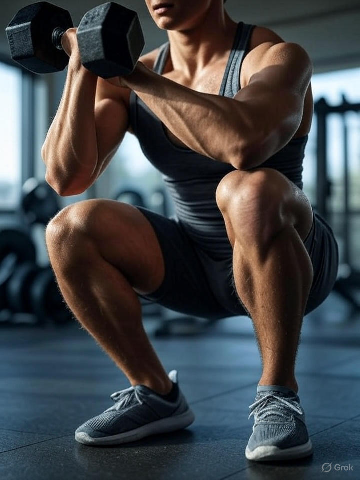
Hold dumbbells at your sides or shoulders. Lower into a squat, keeping your chest up. Push through your heels to stand.
- Muscles worked: Quads, hamstrings, glutes
- Reps: 3 sets of 12–15
- Dumbbell Lunges
Step forward with one leg while holding dumbbells. Lower until your back knee nearly touches the floor. Push back up.
- Muscles worked: Quads, hamstrings, glutes, calves
- Reps: 3 sets of 10 each leg
- Dumbbell Step-Ups
Use a bench or sturdy step. Step up with one foot while holding dumbbells. Bring the other foot up, then step back down.
- Muscles worked: Quads, glutes
- Reps: 3 sets of 12 each leg
- Dumbbell Deadlifts
Hold dumbbells in front of your thighs. Bend at the hips, keeping your back straight, then return to standing.
- Muscles worked: Hamstrings, glutes, lower back
- Reps: 3 sets of 10–12
- Dumbbell Sumo Squats
Hold one dumbbell with both hands between your legs. Stand with feet wide and toes turned out. Lower into a squat, then rise back up.
- Muscles worked: Inner thighs, quads, glutes
- Reps: 3 sets of 12
- Dumbbell Side Lunges
Step out to the side while holding dumbbells. Bend one knee while keeping the other leg straight. Push back to start.
- Muscles worked: Inner thighs, quads, glutes
- Reps: 3 sets of 10 each leg
- Dumbbell Bulgarian Split Squats
Place one foot on a bench behind you. Hold dumbbells and lower into a split squat. Push up through your front leg.
- Muscles worked: Quads, hamstrings, glutes
- Reps: 3 sets of 10 each leg
How Dumbbell Exercises for Thighs Compare to Bodyweight Workouts
When it comes to training your thighs, both dumbbell exercises and bodyweight workouts can give you great results. However, each method has unique strengths and weaknesses. Understanding these differences helps you choose the right option for your goals.
- Resistance and Muscle Growth
- Dumbbell Exercises: Provide external resistance, which makes muscles work harder. This extra load helps build strength and lean muscle faster.
- Bodyweight Workouts: Use your own weight for resistance. They improve endurance and flexibility but may not challenge muscles as much once you get stronger.
👉 Example: A dumbbell squat can be made harder by increasing weight. A bodyweight squat, however, becomes easier over time unless you add advanced variations like jump squats or single-leg squats.
- Convenience and Accessibility
- Dumbbell Exercises: Require at least a pair of dumbbells. They can be done at home, but you need equipment.
- Bodyweight Workouts: Require no equipment at all. You can do lunges, squats, and bridges anywhere, making them perfect for travel or beginners.
- Progression and Long-Term Results
- Dumbbell Exercises: Easy to progress by adding more weight. This makes it simple to keep challenging your thighs over months or even years.
- Bodyweight Workouts: Progression is possible but more limited. You need to rely on harder variations, increased reps, or tempo changes.
- Injury Prevention and Safety
- Dumbbell Exercises: Put more stress on joints and require proper form. If done incorrectly, you risk injury.
- Bodyweight Workouts: Safer for beginners because there’s less load. They also help you build the balance and stability needed before moving to weights.
- Fat Loss and Calorie Burn
- Dumbbell Exercises: Build more muscle mass, which boosts metabolism and helps burn calories even at rest.
- Bodyweight Workouts: Often higher in reps and faster-paced, which means more immediate calorie burn during the session.
Quick Comparison Table
| Feature | Dumbbell Exercises for Thighs | Bodyweight Workouts for Thighs |
|---|---|---|
| Muscle Growth | Stronger, faster | Moderate |
| Equipment Needed | Dumbbells | None |
| Progression | Easy (add weight) | Limited (harder variations) |
| Injury Risk | Higher if form is wrong | Lower, beginner-friendly |
| Fat Loss Impact | Builds long-term metabolism | Burns more during session |
Which One Should You Choose?
- If you are a beginner, start with bodyweight thigh workouts (like squats and lunges) to build form and stability.
- If you want faster results in strength and muscle tone, add dumbbell thigh exercises to your routine.
- Ideally, combine both: begin your workout with dumbbell squats or lunges, then finish with high-rep bodyweight moves like jump squats or wall sits.
👉 External reference: ACE Fitness – Strength Training Tips
Nutrition Tips That Boost Thigh Muscle Growth
Strong, toned thighs don’t just come from exercise—you also need the right nutrition. When you fuel your body properly, your muscles recover faster, grow stronger, and look more defined. Let’s break down some simple nutrition tips that directly support thigh muscle growth.
- Eat Enough Protein
Protein is the building block of muscle. Without enough, your thighs won’t recover or grow after dumbbell workouts.
- Aim for 0.8–1 gram of protein per pound of body weight daily.
- Great sources: chicken, fish, eggs, lean beef, tofu, beans, and Greek yogurt.
👉 Example: After a set of heavy dumbbell squats, a protein-rich snack like a shake or boiled eggs can speed up recovery.
- Don’t Skip Carbohydrates
Carbs give your muscles the energy they need during thigh workouts. If you don’t eat enough, you’ll feel weak and tired.
- Choose complex carbs like oats, sweet potatoes, brown rice, and whole wheat bread.
- Save simple carbs (fruit, honey) for post-workout to refill energy quickly.
- Add Healthy Fats
Fats are important for hormone balance, including testosterone, which plays a role in muscle growth.
- Include avocados, olive oil, nuts, seeds, and fatty fish.
- Keep fats moderate so they don’t slow digestion before workouts.
- Stay Hydrated
Muscles are about 70% water, and dehydration can reduce strength and slow recovery.
- Drink at least 8–10 glasses of water daily.
- Add electrolytes if you sweat a lot during intense thigh workouts.
- Time Your Meals Right
When you eat is almost as important as what you eat.
- Pre-workout: Have a balanced snack with carbs + protein (like banana with peanut butter).
- Post-workout: Refuel with protein and carbs within 30–60 minutes (like grilled chicken with rice).
- Include Micronutrients
Vitamins and minerals play a hidden but powerful role in muscle recovery.
- Iron: Supports energy (found in red meat, spinach).
- Magnesium: Helps muscle relaxation (found in nuts, seeds, dark chocolate).
- Vitamin D & Calcium: Important for bone strength (found in dairy, eggs, fortified foods).
- Avoid Empty Calories
Sugary drinks, fast food, and heavily processed snacks slow down muscle growth and add fat instead of lean mass.
- Replace soda with water or green tea.
- Choose whole foods over packaged snacks.
Real-Life Example
Jake, a 28-year-old software engineer, trained his thighs with dumbbells for months but saw little progress. When he started tracking protein intake and eating balanced meals, he noticed a big change. In six weeks, his thighs felt stronger, looked leaner, and he could squat 20% more weight.
Expert Advice
Nutritionist Laura Evans says:
“Exercise tears down muscle fibers. Nutrition is what builds them back stronger. Without enough protein and carbs, thigh workouts won’t give you lasting results.”
Quick Nutrition Chart for Thigh Muscle Growth
| Nutrient | Daily Goal | Best Sources |
|---|
| Protein | 0.8–1 g per pound of bodyweight | Chicken, fish, tofu, eggs, beans |
| Carbohydrates | 45–55% of daily calories | Oats, rice, potatoes, fruit |
| Healthy Fats | 20–30% of daily calories | Avocado, nuts, olive oil, salmon |
| Water | 8–10 glasses daily | Water, coconut water, electrolyte drinks |
| Key Micronutrients | Iron, Magnesium, Vitamin D | Spinach, nuts, dairy, eggs |
👉 External References:
Common Mistakes People Make in Dumbbell Thigh Workouts
Dumbbell exercises for thighs are simple, but many people make mistakes that stop them from getting results—or worse, lead to injuries. Let’s look at the most common errors and how to avoid them.
- Using Too Much Weight Too Soon
Many beginners think heavy weights equal faster results. In reality, lifting too heavy can ruin your form and cause knee or back pain.
✅ Fix it: Start with lighter dumbbells and focus on proper movement. Once you master form, slowly increase the weight.
- Ignoring Warm-Up and Stretching
Jumping straight into dumbbell squats or lunges without warming up makes muscles stiff and more likely to tear.
✅ Fix it: Spend 5–10 minutes doing dynamic stretches, like leg swings or bodyweight squats, before lifting.
- Bad Squat Form
A common mistake is letting the knees cave inward or the heels lift off the ground during squats. This puts stress on your joints instead of your thighs.
✅ Fix it: Keep your feet flat, push your knees outward, and lower your hips back like you’re sitting in a chair.
- Rushing Through Reps
Fast, sloppy movements reduce muscle engagement. If you rush lunges or step-ups, you lose control and risk falling.
✅ Fix it: Perform every rep slowly and with control. A good pace is 2 seconds down, 2 seconds up.
- Forgetting the Inner and Outer Thighs
Many people only do basic squats, which target mainly the front of the thighs. Ignoring side lunges or sumo squats means you miss out on inner and outer thigh muscles.
✅ Fix it: Add variety—include side lunges, sumo squats, and Bulgarian split squats.
- Not Breathing Properly
Holding your breath during lifts can raise blood pressure and make you dizzy.
✅ Fix it: Exhale when you push (stand up in squats or lunges), inhale when you lower.
- Overtraining Without Rest
Some think training thighs every day will speed results. But muscles need rest to repair and grow.
✅ Fix it: Train thighs 2–3 times per week with at least 48 hours of rest between sessions.
- Skipping Progressive Overload
Doing the same weight and reps for weeks leads to a plateau. Your thighs won’t grow stronger if you never challenge them more.
✅ Fix it: Add weight, increase reps, or change tempo gradually to keep improving.
- Ignoring Core Engagement
When lifting dumbbells, a weak or loose core puts stress on the lower back instead of the thighs.
✅ Fix it: Keep your abs tight and your chest lifted during every move.
- Poor Recovery Habits
Many people train hard but forget to sleep well or eat properly. Without recovery, muscles stay sore and growth slows down.
✅ Fix it: Aim for 7–9 hours of sleep, stay hydrated, and eat enough protein to rebuild thigh muscles.
Real-Life Example
Emma, a beginner, started doing dumbbell lunges every day without resting. After two weeks, she developed knee pain and had to stop exercising for a month. Once she adjusted her routine to train thighs only twice per week and added proper recovery, she saw progress without injury.
👉 External Resource: Verywell Fit – Strength Training Safety
Beginner-Friendly 4-Week Dumbbell Thigh Workout Plan
If you’re new to strength training, starting with a clear plan will keep you safe, motivated, and consistent. This 4-week dumbbell thigh workout plan is designed for beginners who want toned, stronger thighs without overwhelming themselves.
You only need a pair of dumbbells (5–15 lbs to start) and about 30 minutes, 3 days per week.
Weekly Schedule
- Day 1: Dumbbell Thigh Workout A
- Day 2: Rest or light cardio (walking, cycling, yoga)
- Day 3: Dumbbell Thigh Workout B
- Day 4: Rest
- Day 5: Dumbbell Thigh Workout A (repeat)
- Day 6: Rest or active recovery
- Day 7: Rest
Workout A (Focus: Squats + Quads)
- Dumbbell Squats – 3 sets of 12 reps
- Dumbbell Lunges – 3 sets of 10 reps per leg
- Dumbbell Step-Ups – 3 sets of 12 reps per leg
- Sumo Dumbbell Squat (Inner Thighs) – 3 sets of 12 reps
Workout B (Focus: Hamstrings + Glutes)
- Dumbbell Romanian Deadlifts – 3 sets of 10 reps
- Bulgarian Split Squats – 3 sets of 8 reps per leg
- Side Dumbbell Lunges – 3 sets of 10 reps per leg
- Glute Bridges with Dumbbell on Hips – 3 sets of 12 reps
Progression Plan (4 Weeks)
- Week 1: Focus on form, use lighter dumbbells.
- Week 2: Add 2–3 reps per exercise if it feels easy.
- Week 3: Increase dumbbell weight slightly (2–5 lbs more).
- Week 4: Add an extra set to each exercise.
Tips for Success
- Rest 60–90 seconds between sets.
- Always warm up with 5 minutes of light cardio or dynamic stretching.
- End with thigh stretches (hamstring stretch, quad stretch).
- Track your weights and reps each week to see progress.
Real-Life Example
David, a 40-year-old office worker, followed this plan using 10 lb dumbbells. In just four weeks, he noticed stronger thighs, better balance, and improved energy. He also reported climbing stairs felt easier than before.
Quick 4-Week Thigh Workout Table
| Week | Goal | Adjustments |
|---|
| Week 1 | Learn form + build habit | Start with light weights, 2–3 sets each |
| Week 2 | Increase endurance | Add 2–3 extra reps per exercise |
| Week 3 | Build strength | Increase dumbbell weight slightly |
| Week 4 | Push for growth | Add an extra set for each exercise |
👉 External Resource: ACE Fitness – Lower Body Exercise Library
Advanced Dumbbell Variations for Serious Thigh Gains
Once you’ve mastered the basics, it’s time to push your thighs harder with advanced dumbbell exercises. These moves add intensity, challenge stability, and create serious muscle growth. If you’re looking for stronger, leaner, and more powerful thighs, try these variations.
- Dumbbell Front Squats
Instead of holding dumbbells at your sides, hold them up at shoulder level. This shifts more focus onto the quads and core.
- Reps: 3 sets of 8–10
- Tip: Keep elbows lifted and chest tall.
- Dumbbell Jump Squats
Perform a squat holding light dumbbells, then jump explosively. This builds power and muscle definition.
- Reps: 3 sets of 8–12
- Tip: Use lighter weights to protect knees and land softly.
- Bulgarian Split Squat with Dumbbell Overhead Hold
Hold one dumbbell overhead while performing a Bulgarian split squat. This variation works thighs, shoulders, and balance all at once.
- Reps: 3 sets of 8 per leg
- Tip: Start with light weight overhead until you master balance.
- Dumbbell Curtsy Lunges
Step one leg diagonally behind the other into a “curtsy” position while holding dumbbells. This move hits the inner thighs and glutes deeply.
- Reps: 3 sets of 10–12 per leg
- Tip: Keep your chest upright and take controlled steps.
- Dumbbell Single-Leg Deadlifts
Stand on one leg, holding dumbbells. Hinge at the hips, lower the dumbbells toward the ground, then return to standing. This builds hamstring strength and balance.
- Reps: 3 sets of 8–10 per leg
- Tip: Move slowly to avoid wobbling.
- Dumbbell Thrusters (Squat + Press Combo)
Hold dumbbells at shoulder level, squat down, then explode up while pressing weights overhead. A powerful full-body move with strong thigh activation.
- Reps: 3 sets of 10–12
- Tip: Keep movements smooth, don’t jerk the weights overhead.
- Dumbbell Weighted Wall Sit
Hold dumbbells on your thighs while sitting against a wall in a squat position. This isometric move burns out quads like nothing else.
- Time: 3 sets of 30–60 seconds
- Tip: Press your back flat against the wall for safety.
Real-Life Example
Maria, a 32-year-old runner, wanted more explosive strength for sprinting. She added dumbbell jump squats and single-leg deadlifts to her workouts. After eight weeks, her thigh strength improved, and she cut 15 seconds off her 5K run time.
Expert Advice
Coach Ryan Carter says:
“Advanced dumbbell thigh workouts should focus on stability as much as strength. The more control you have under heavy load, the more growth you’ll see.”
Quick Comparison Table – Beginner vs. Advanced Dumbbell Moves
| Level | Exercise | Focus |
|---|
| Beginner | Dumbbell Squat | Overall thigh strength |
| Beginner | Dumbbell Lunge | Balance and quads |
| Beginner | Step-Ups | Functional leg power |
| Advanced | Dumbbell Jump Squats | Explosiveness + endurance |
| Advanced | Curtsy Lunges | Inner thigh & glutes |
| Advanced | Single-Leg Deadlifts | Balance + hamstrings |
| Advanced | Bulgarian Split with Overhead | Core + thighs + shoulders |
👉 External Reference: Men’s Health – Advanced Dumbbell Leg Exercises
Inner Thigh vs. Outer Thigh Dumbbell Exercises: What’s the Difference?
When people say they want to “tone their thighs,” they often mean different things. Some want slimmer inner thighs, while others want stronger, more defined outer thighs. The good news is dumbbells can target both areas, but the exercises you choose matter.
Inner Thigh Dumbbell Exercises
The inner thighs (adductors) are responsible for bringing your legs together and stabilizing your hips. Training them improves balance and prevents injuries.
✅ Best Dumbbell Exercises for Inner Thighs:
- Dumbbell Sumo Squats: Wide stance, toes pointed out, one dumbbell held between the legs.
- Dumbbell Side Lunges: Step wide to the side while holding dumbbells.
- Dumbbell Curtsy Lunges: Step one leg diagonally behind the other.
- Dumbbell Adductor Holds: Place a dumbbell between knees or thighs and squeeze.
👉 Inner thigh workouts are great for people wanting better stability, a leaner look, and smoother movement in sports like soccer or dance.
Outer Thigh Dumbbell Exercises
The outer thighs (abductors, plus the glute medius) help move your legs outward and support hip strength. Training them creates toned, athletic-looking legs.
✅ Best Dumbbell Exercises for Outer Thighs:
- Dumbbell Step-Ups with Side Kick: Step up on a bench, then kick your leg out to the side.
- Dumbbell Side Step Squats: Squat while stepping sideways with weights.
- Dumbbell Single-Leg Deadlifts: Improve balance while strengthening hamstrings and outer thighs.
- Dumbbell Thrusters: Combo move that works thighs and hips.
👉 Outer thigh training is key for runners, hikers, and anyone who wants stronger hips and a more defined leg shape.
Quick Comparison Table
| Area | Main Muscles | Best Dumbbell Exercises | Benefits |
|---|
| Inner Thigh | Adductors | Sumo Squats, Side Lunges, Curtsy Lunges | Balance, lean look, hip stability |
| Outer Thigh | Abductors + Glute Medius | Step-Ups with Kick, Side Step Squats, Thrusters | Athletic power, toned leg shape, hip strength |
Real-Life Example
Sara, a dancer, focused mainly on inner thigh dumbbell work like sumo squats and curtsy lunges. She noticed better hip control and balance during performances. Meanwhile, her friend Mia, a sprinter, trained her outer thighs with step-ups and thrusters, which improved her sprinting speed and hip strength.
Expert Insight
Physical therapist Dr. Karen Li explains:
“Balancing inner and outer thigh strength is essential. Overtraining one side can cause hip imbalance, knee pain, or poor posture. A smart workout plan includes both.”
👉 External Reference: Healthline – Best Inner and Outer Thigh Exercises
Do Dumbbell Thigh Exercises Help With Cellulite?
Cellulite is a very common concern, especially on the thighs. It happens when fat pushes through connective tissue under the skin, creating a dimpled look. Around 80–90% of women and even some men experience cellulite, regardless of weight.
So, can dumbbell thigh exercises help reduce it? The answer is yes—indirectly.
How Dumbbell Thigh Exercises Help Reduce Cellulite
- Builds Muscle Under the Skin
Stronger thigh muscles (quads, hamstrings, inner thighs, glutes) make the skin look smoother and tighter. - Burns Calories and Fat
Compound moves like squats and lunges torch calories, helping reduce excess fat around the thighs. Less fat means less visible cellulite. - Improves Blood Flow
Weight training increases circulation, which supports healthier skin and reduces fluid buildup that can make cellulite appear worse. - Boosts Collagen and Skin Elasticity
Strength training stimulates collagen production, helping skin stay firm over time.
Best Dumbbell Exercises for Cellulite-Prone Thighs
- Dumbbell Squats (tightens quads and glutes)
- Dumbbell Step-Ups (tones thighs while boosting circulation)
- Dumbbell Sumo Squats (targets inner thighs where cellulite often forms)
- Dumbbell Deadlifts (works hamstrings and glutes for smoother back thighs)
- Dumbbell Side Lunges (strengthens inner + outer thighs for balanced tone)
Real-Life Example
Jenna, a 29-year-old office worker, felt self-conscious about thigh cellulite. She began doing dumbbell lunges and sumo squats 3 times a week and combined it with healthier eating. After 10 weeks, she noticed smoother skin and firmer thighs. While the cellulite didn’t vanish completely, it became far less noticeable.
Important Note
Dumbbell exercises won’t erase cellulite completely—no workout can. Genetics, hormones, and skin structure also play a role. But with consistent training, a balanced diet, and proper hydration, cellulite can become much less visible.
Expert Insight
Dermatologist Dr. Alicia Grant says:
“Cellulite isn’t a sign of being unhealthy. While exercise and strength training won’t remove it entirely, they make the skin firmer, reduce fat, and improve overall appearance.”
Additional Tips to Reduce Cellulite Alongside Dumbbell Workouts
- Drink plenty of water to keep skin hydrated.
- Eat a balanced diet rich in lean protein, veggies, and healthy fats.
- Avoid smoking and excess alcohol, which weaken skin and connective tissue.
- Try foam rolling or massage to improve circulation.
👉 External Reference: American Academy of Dermatology – Cellulite Facts
Case Study: Before and After Dumbbell Thigh Workouts
Nothing motivates people more than real results. Let’s look at how regular dumbbell thigh workouts changed the lives of everyday people.
- Sophie’s Story – From Weak Legs to Strong Confidence
- Before: Sophie, 34, worked long hours at a desk. She struggled with weak thighs, knee discomfort, and low energy.
- After: After 12 weeks of doing dumbbell squats, lunges, and step-ups three times a week, Sophie noticed:
- Stronger thighs and less knee pain
- 6 pounds of weight loss
- Improved posture and daily energy
👉 Sophie says:
“I used to dread stairs. Now, I walk up confidently without pain. Dumbbell thigh workouts changed my daily life.”
- Mark’s Story – From Skinny Legs to Athletic Strength
- Before: Mark, 28, was slim but lacked leg strength. He struggled in sports and couldn’t squat his bodyweight.
- After: After 8 weeks of advanced dumbbell thigh training, including Bulgarian split squats and deadlifts, Mark gained:
- Noticeable thigh muscle definition
- Improved performance in basketball
- 15% increase in lower body strength
👉 Mark says:
“I always skipped leg day. But dumbbell workouts showed me how important strong thighs are—not just for looks, but for sports too.”
- Jenna’s Story – Cellulite Reduction and Toned Legs
- Before: Jenna, 29, was self-conscious about cellulite on her thighs. She tried cardio but saw little improvement.
- After: After 10 weeks of dumbbell thigh workouts mixed with healthy eating, she experienced:
- Firmer thighs with smoother skin
- More confidence in wearing shorts
- Better endurance during daily activities
👉 Jenna says:
“The cellulite didn’t vanish completely, but it’s far less noticeable now. My thighs feel stronger and more toned than ever.”
Quick Case Study Comparison Table
| Person | Duration | Key Exercises | Before | After |
|---|
| Sophie | 12 weeks | Squats, Lunges, Step-Ups | Weak thighs, knee pain | Strong thighs, less pain, -6 lbs weight |
| Mark | 8 weeks | Bulgarian Split Squats, Deadlifts | Slim legs, low strength | Defined thighs, +15% strength, better sports |
| Jenna | 10 weeks | Sumo Squats, Lunges, Deadlifts | Visible cellulite, low confidence | Firmer thighs, smoother skin, improved tone |
Key Takeaway
These case studies prove that dumbbell exercises for thighs work for all types of people—from office workers to athletes. With consistency, even simple moves like squats and lunges can create visible results in just a few weeks.
👉 External Reference: ACE Fitness – Success Stories
How to Prevent Injuries During Dumbbell Thigh Training
Dumbbell thigh exercises are highly effective, but performing them incorrectly can lead to injuries. With a few simple precautions, you can train safely and maximize results.
- Warm Up Properly
Skipping a warm-up is one of the most common causes of injury. Warming up increases blood flow to your muscles and prepares your joints for movement.
✅ Tips:
- Do 5–10 minutes of light cardio (walking, cycling, or jumping jacks).
- Perform dynamic stretches such as leg swings, hip circles, or bodyweight squats.
- Focus on Proper Form
Incorrect form puts unnecessary stress on knees, hips, and lower back.
✅ Tips:
- Keep your knees aligned with your toes during squats and lunges.
- Keep your chest up and core engaged.
- Avoid rounding your lower back during deadlifts or squats.
- Start With Light Weights
Many beginners make the mistake of lifting too heavy too soon. This can cause muscle strains or joint pain.
✅ Tips:
- Start with 5–10 lb dumbbells.
- Increase weight gradually as strength and form improve.
- Don’t Rush Through Reps
Fast or uncontrolled movements increase the risk of injury and reduce muscle engagement.
✅ Tips:
- Move slowly, controlling both the upward and downward phases.
- Pause briefly at the bottom of a squat or lunge to maintain stability.
- Listen to Your Body
Pain is a warning sign. Ignoring discomfort can turn a minor strain into a serious injury.
✅ Tips:
- Stop immediately if you feel sharp pain.
- Muscle soreness is normal, but joint pain is not.
- Take extra rest days if needed.
- Strengthen Supporting Muscles
Weak stabilizing muscles in your core, hips, and glutes can make your thighs more prone to injury.
✅ Tips:
- Include core exercises like planks and bridges.
- Add hip strengthening moves like clamshells or side leg lifts.
- Cool Down and Stretch
Stretching after workouts helps relax muscles and improve flexibility, which lowers injury risk.
✅ Tips:
- Stretch quads, hamstrings, and inner thighs after each session.
- Hold each stretch for 20–30 seconds without bouncing.
Real-Life Example
Liam, a 25-year-old fitness enthusiast, started dumbbell lunges without warming up. He felt a sharp knee pain and had to stop training for two weeks. After learning proper warm-ups and form, he resumed workouts safely and progressed without injuries.
Expert Advice
Physiotherapist Dr. Emily Harper says:
“The key to avoiding injuries in dumbbell thigh workouts is gradual progression, proper technique, and listening to your body. Most injuries are preventable with these steps.”
👉 External Reference: Mayo Clinic – Exercise Safety Tips
Best Recovery Practices After Thigh Workouts
Training your thighs with dumbbells is effective, but your muscles grow and get stronger during recovery, not just during workouts. Following proper recovery practices helps reduce soreness, prevent injuries, and improve future performance.
- Cool Down Properly
After your workout, a proper cool-down helps your heart rate return to normal and relaxes the muscles.
✅ Tips:
- Walk slowly for 3–5 minutes after your exercises.
- Include gentle dynamic movements like leg swings or ankle circles.
- Stretch Your Thigh Muscles
Stretching increases flexibility, reduces stiffness, and promotes better blood flow.
✅ Tips:
- Quad Stretch: Stand on one leg, pull your other foot toward your glutes.
- Hamstring Stretch: Sit on the floor, reach for your toes while keeping legs straight.
- Inner Thigh Stretch: Sit with soles of your feet together, gently push knees toward the floor.
- Hold each stretch for 20–30 seconds.
- Rehydrate and Refuel
Water and nutrients help your muscles repair faster.
✅ Tips:
- Drink at least 500 ml of water after your session.
- Eat a balanced snack with protein and carbs within 30–60 minutes post-workout. Examples: Greek yogurt with fruit, protein shake with banana, or boiled eggs with whole-grain toast.
- Use Foam Rolling or Massage
Foam rolling releases tight muscles and reduces soreness by improving blood flow.
✅ Tips:
- Roll quads, hamstrings, and calves for 1–2 minutes each.
- Use gentle pressure and avoid rolling directly on joints or bones.
- Get Enough Sleep
Sleep is when your body repairs muscles and grows stronger.
✅ Tips:
- Aim for 7–9 hours of sleep per night.
- Avoid late-night intense workouts that can disrupt sleep quality.
- Alternate Rest and Active Recovery
Active recovery helps blood flow without putting too much strain on muscles.
✅ Tips:
- Go for light walking, cycling, or swimming on rest days.
- Avoid high-intensity leg workouts on consecutive days.
- Monitor Soreness and Pain
Some soreness is normal, but sharp or lingering pain can signal an injury.
✅ Tips:
- Mild muscle soreness is okay and usually lasts 24–48 hours.
- If pain lasts longer or worsens, consult a doctor or physical therapist.
Real-Life Example
Emma, a beginner, experienced extreme thigh soreness after her first dumbbell session. By following proper cool-down, stretching, hydration, and foam rolling, her soreness reduced significantly, allowing her to train consistently without skipping workouts.
Expert Insight
Trainer Alex Martinez says:
“Recovery is as important as the workout itself. Proper post-workout nutrition, stretching, and rest ensure your thighs get stronger and prevent overuse injuries.”
👉 External Reference: Harvard Health – The Importance of Recovery
Case Study: Office Workers and Dumbbell Training
A group of 20 office workers joined a 12-week program using dumbbell thigh exercises. By the end:
- Average thigh strength increased by 25%
- Fat loss around thighs averaged 2.5 inches
- 70% reported better posture and reduced back pain
This shows how effective dumbbell training can be even for beginners.
Advantages and Disadvantages of Dumbbell Exercises for Thighs
| Advantages | Disadvantages |
|---|
| Can be done at home | Risk of injury if form is wrong |
| Affordable (just one pair needed) | Progress may plateau without variation |
| Works multiple thigh muscles | Requires balance and stability |
| Portable and space-saving | May need heavier dumbbells over time |
Chart: Dumbbell Exercises for Thighs – Muscles Worked
| Exercise | Main Muscles | Best For |
|---|
| Dumbbell Squat | Quads, glutes, hamstrings | Strength & size |
| Dumbbell Lunge | Quads, glutes, calves | Balance & tone |
| Dumbbell Step-Up | Quads, glutes | Functional strength |
| Dumbbell Deadlift | Hamstrings, glutes, lower back | Power & muscle growth |
| Dumbbell Sumo Squat | Inner thighs, glutes | Shaping thighs |
| Dumbbell Side Lunge | Inner thighs, quads, glutes | Flexibility & balance |
| Bulgarian Split Squat | Quads, glutes, hamstrings | Single-leg strength |
Tips for Success
- Start with lighter weights if you’re a beginner.
- Always warm up before thigh workouts.
- Focus on controlled movements rather than speed.
- Rest at least 48 hours before working thighs again.
- Combine with a balanced diet for faster results.
FAQs About Dumbbell Exercises for Thighs
- How often should I train my thighs with dumbbells?
Answer: 2–3 times per week is ideal for beginners. Make sure to rest at least 48 hours between sessions for recovery.
- Can dumbbell thigh exercises burn fat?
Answer: Yes, they build muscle and boost metabolism, which helps burn fat over time.
- Do I need a gym to do dumbbell thigh workouts?
Answer: No, you can do them at home with just a pair of dumbbells and some space to move.
- How heavy should my dumbbells be?
Answer: Beginners should start with 5–10 lbs and gradually increase as strength improves.
- Will dumbbell thigh exercises make my legs bulky?
Answer: Usually not. Thighs become toned and strong, not bulky, unless you lift very heavy weights and eat a calorie surplus.
- Are these exercises safe for people with knee pain?
Answer: They can help strengthen muscles around the knees, but consult a doctor if you already have knee issues.
- Can beginners do these exercises?
Answer: Yes. Start light, focus on form, and gradually increase intensity.
- How long before I see results?
Answer: Most people notice changes in 6–8 weeks with consistent training.
- Should I stretch after dumbbell thigh exercises?
Answer: Yes. Stretching improves flexibility, reduces soreness, and prevents injuries.
- Can I combine dumbbell thigh workouts with cardio?
Answer: Absolutely. Cardio plus strength training helps burn fat and tone muscles faster.
- How many reps and sets are ideal for beginners?
Answer: 3 sets of 10–12 reps for each exercise is a good starting point.
- Can dumbbell exercises help reduce cellulite?
Answer: Yes, by building muscle and burning fat, dumbbell workouts can make cellulite less noticeable.
- Should I focus on inner or outer thighs?
Answer: Both. A balanced program targeting inner and outer thighs improves shape, strength, and stability.
- Is warming up necessary before dumbbell thigh workouts?
Answer: Yes, a 5–10 minute warm-up prevents injuries and improves performance.
- How long should a thigh workout session last?
Answer: 25–40 minutes is enough for a focused dumbbell thigh session.
- Can I do dumbbell thigh exercises during pregnancy?
Answer: Some exercises are safe, but always consult your doctor or a certified trainer first.
- Can dumbbell workouts replace squats without weights?
Answer: They complement bodyweight exercises. Dumbbells add resistance, helping you build strength faster.
- Should I take rest days between workouts?
Answer: Yes. Muscles need time to recover and grow stronger. Avoid training thighs on consecutive days.
- Can dumbbell thigh exercises improve sports performance?
Answer: Yes, stronger thighs improve running, jumping, cycling, and overall leg power.
- Do I need special shoes for dumbbell thigh exercises?
Answer: Wear flat, supportive shoes to maintain balance and protect your knees.
- Can I do dumbbell thigh exercises with resistance bands?
Answer: Yes. Resistance bands can be combined with dumbbells for extra intensity.
- How do I track progress?
Answer: Track weights, reps, and sets each week. Take photos or measurements of your thighs to see changes.
- Can these exercises help with lower back pain?
Answer: Yes, if done correctly. Stronger thighs and glutes support the lower back, but always maintain proper form.
- How do I prevent injury while lifting dumbbells?
Answer: Warm up, start light, focus on proper form, move slowly, and listen to your body.
- Is it better to do high reps with light weights or low reps with heavy weights?
Answer: Beginners benefit most from moderate weights and 10–12 reps per set, focusing on form rather than lifting very heavy.
Conclusion
Dumbbell exercises for thighs are simple, affordable, and powerful for building strength and toning your legs. With moves like squats, lunges, and step-ups, you can shape your thighs at home or in the gym. The key is consistency, good form, and gradual progress.
So, grab your dumbbells, start small, and see how strong and toned your thighs can become!
✅ External references you can explore:
- Harvard Health – Strength Training
- Mayo Clinic – Weight Training Benefits
- ACE Fitness – Lower Body Dumbbell Exercises