

Ab workouts are essential for building a strong core, which supports overall body strength, stability, and posture. A well-developed core improves athletic performance, prevents injuries, and enhances everyday activities. In this guide, we’ll explore beginner and advanced ab exercises, real-life transformations, nutrition, recovery strategies, and FAQs to help you sculpt your abs effectively.
What Are Ab Workouts?
Ab workouts target the abdominal muscles: rectus abdominis, obliques, and transverse abdominis. These exercises improve posture, strengthen the core, enhance balance, and support functional movement for daily life.
Science-Backed Ways Ab Workouts Improve Core Strength
Ab workouts do more than give you visible abs—they strengthen your deep core, supporting spine health, stability, and athletic performance.
- Activates Deep Core Muscles
Exercises like planks, dead bugs, and hollow holds activate deep abdominal muscles more than traditional crunches, providing internal support for the spine and pelvis.
- Improves Spinal Support
A strong core reduces strain on the spine during lifting, twisting, or running, lowering the risk of back injuries.
- Enhances Functional Movement
Functional exercises improve coordination between upper and lower body, making everyday movements like bending, twisting, and reaching easier.
- Boosts Athletic Performance
A strong core transfers power efficiently for running, jumping, or swimming, enhancing speed, balance, and agility.
- Supports Fatigue Resistance
Core endurance allows you to maintain proper posture longer during extended activities.
- Encourages Proper Breathing
Exercises like planks with diaphragmatic breathing strengthen the transverse abdominis, improving breathing mechanics during strenuous activity.
Quick Tip: Combine static holds (planks) with dynamic movements (mountain climbers, Russian twists) to engage all layers of the abdominal wall.
How Ab Workouts Affect Your Metabolism and Fat Loss
Ab workouts strengthen muscles but don’t directly burn belly fat. Their role in fat loss comes through increased metabolism and support for full-body workouts.
- Boosts Calorie Burn
Compound movements like plank variations and burpees burn more calories than traditional crunches.
- Enhances Post-Exercise Metabolism
High-intensity ab workouts trigger EPOC (afterburn effect), keeping your body burning calories post-workout.
- Improves Insulin Sensitivity
Stronger core muscles improve metabolic function, reducing visceral fat risk.
- Supports Fat-Loss Workouts
A stable core enhances performance in running, cycling, and weightlifting, increasing calorie expenditure.
- Encourages Lean Muscle Development
Building ab muscles slightly raises BMR, boosting calorie burn at rest.
- Combats Visceral Fat
Regular core training as part of a balanced routine reduces dangerous internal fat.
Real-Life Example:
Sarah, 32, combined ab workouts, full-body strength training, and cardio. After 12 weeks:
- Waist: -3 inches
- Body fat: 28% → 23%
- Improved core strength allowed heavier lifting safely
Quick Tip: Pair ab workouts with HIIT or cardio 3–4 times/week and maintain a protein-rich diet for maximum fat loss.
Common Myths About Ab Workouts Debunked
Myth 1: Crunches burn belly fat
Reality: Crunches tone abs but don’t target belly fat; fat loss requires full-body exercise and calorie management.
Myth 2: Abs must be trained daily
Reality: 2–4 focused sessions/week are optimal; overtraining can hinder growth.
Myth 3: Ab workouts cause weight loss
Reality: They tone muscles but don’t directly affect weight; overall calorie control is key.
Myth 4: Equipment is necessary
Reality: Bodyweight exercises like planks, bicycle crunches, and mountain climbers are highly effective.
Myth 5: Spot reduction works
Reality: Fat is burned systemically, not locally.
Myth 6: Only young people can build abs
Reality: Any age can improve core strength with modified exercises.
Myth 7: More reps = better abs
Reality: Quality over quantity; proper form engages all abdominal layers.
Real-Life Example:
John, 40, switched from crunches alone to full-body training with planks and leg raises. Visible abs appeared in 12 weeks.
Quick Tip: Prioritize form, variety, and progressive overload.
At-Home Ab Workouts Without Equipment
- Plank Variations
- Standard Plank: 30 sec → 2 min
- Side Plank: 20–40 sec per side
- Plank with Shoulder Tap: Adds stability challenge
Tip: Keep hips level; avoid sagging.
- Bicycle Crunches
- 12–20 reps per side, 3 sets
- Twist from torso, not neck
- Leg Raises
- 12–15 reps, 3 sets
- Avoid arching lower back
- Mountain Climbers
- 30–60 sec, 3 rounds
- Keep steady rhythm; engage core
- Russian Twists
- 20 reps per side, 3 sets
- Lean back slightly; twist from torso
Sample Routine (3x/week):
| Exercise | Sets | Reps/Duration |
|---|
| Standard Plank | 3 | 30–60 sec |
| Bicycle Crunches | 3 | 12–20 per side |
| Leg Raises | 3 | 12–15 |
| Mountain Climbers | 3 | 30–60 sec |
| Russian Twists | 3 | 20 per side |
Advantages: No equipment, anytime, cost-effective
Disadvantages: Limited overload, risk of poor form
Advanced Ab Workouts for Experienced Fitness Enthusiasts
Why Advanced Ab Training Matters
- Engages multiple muscles: rectus abdominis, obliques, transverse abdominis, lower back
- Enhances functional fitness and athletic performance
- Prevents injuries
Key Principles
- Progressive overload
- Time under tension
- Exercise variety
- Mind-muscle connection
Advanced Ab Exercises
- Weighted Hanging Leg Raises: 12–15 reps
- Ab Wheel Rollouts: 10–12 reps
- Weighted Russian Twists: 20 reps
- Cable Woodchoppers: 12 per side
- Dragon Flags: 6–8 reps
- L-Sit to Handstand Progressions: 20–30 sec
Sample Advanced Routine (2–3x/week):
| Exercise | Sets | Reps | Rest |
|---|
| Weighted Hanging Leg Raises | 4 | 12–15 | 60 sec |
| Ab Wheel Rollouts | 4 | 10–12 | 60 sec |
| Weighted Russian Twists | 3 | 20 | 45 sec |
| Cable Woodchoppers | 3 | 12 | 45 sec |
| Dragon Flags | 3 | 6–8 | 60–90 sec |
| L-Sit Hold | 3 | 20–30 sec | 60 sec |
Nutrition and Recovery for Visible Abs
- High protein: Supports muscle repair
- Moderate carbs: Fuel workouts
- Healthy fats: Support hormones
- Hydration: Essential for muscle function
- Sleep: 7–9 hours for recovery
Active recovery: Light cardio, stretching, foam rolling
Real-Life Transformations Using Ab Workouts
Sarah: Reduced waist by 5 inches in 12 weeks
Jake: Improved athletic performance and ab definition
Maria: Post-pregnancy core rebuilding with noticeable tone
Patterns: Consistency + nutrition + progressive overload + tracking = success
Beginner-Friendly Ab Workouts That Drive Results
- Plank: 3×30–60 sec
- Bicycle Crunch: 3×15/side
- Leg Raises: 3×12–15
- Russian Twists: 3×20
Tracking Your Progress
- Photos: Weekly
- Measurements: Waist, hips, body fat
- Performance: Reps, endurance, plank time
Combining Abs + Cardio
1. Understand the Synergy: Abs + Cardio
Ab workouts build core strength and definition, while cardio burns calories and reduces overall body fat. Combining them strategically ensures that your core muscles are visible as you lose fat, rather than just building strength under a layer of fat.
Key point: You can’t spot-reduce fat, but cardio paired with ab workouts can help reveal toned abs.
2. Choose the Right Cardio
Not all cardio is created equal for ab definition. Here’s what works best:
-
High-Intensity Interval Training (HIIT): Short bursts of intense activity followed by rest. HIIT increases calorie burn and keeps your metabolism elevated.
-
Steady-State Cardio: Running, cycling, or swimming at a consistent pace. Great for endurance and fat-burning when done for 30–60 minutes.
-
Core-Engaging Cardio: Activities like rowing, kickboxing, or mountain climbers also activate your abs while providing cardio benefits.
3. Timing Your Workouts
How you schedule your ab and cardio sessions matters:
-
Cardio First, Abs Later:
-
Doing cardio first burns fat stores, so ab exercises afterward can help define your core.
-
-
Ab Workout First, Cardio Later:
-
If your primary goal is strength and muscle endurance, train abs first when you have more energy.
-
-
Alternate Days:
-
You can alternate between ab-focused days and cardio-focused days to prevent fatigue and improve recovery.
-
Tip: Avoid doing long cardio immediately after a heavy ab session if your abs are already exhausted; form and effectiveness can suffer.
4. Combine in a Single Session (Circuit Style)
For maximum efficiency, combine cardio and abs in a circuit workout:
Example Circuit (Repeat 3–4 Rounds):
-
Jumping jacks or burpees – 1 minute
-
Bicycle crunches – 45 seconds
-
Mountain climbers – 1 minute
-
Plank with shoulder taps – 45 seconds
-
High knees – 1 minute
-
Russian twists – 45 seconds
Benefits:
-
Burns calories and fat
-
Activates core muscles repeatedly
-
Keeps your heart rate elevated for better metabolic effect
5. Use Progressive Intensity
-
Gradually increase cardio duration or intensity to continue burning fat.
-
Increase ab exercise difficulty over time: weighted crunches, hanging leg raises, or stability ball exercises.
-
Track progress to ensure both cardio and core workouts are becoming more challenging.
6. Don’t Forget Recovery & Nutrition
-
Rest: Abs and cardio stress your body; allow 1–2 rest days per week.
-
Nutrition: Protein-rich foods help build muscle, while a calorie-controlled diet helps reveal abs.
-
Hydration: Water supports metabolism and helps prevent muscle cramps.
Bonus Tip: Use Cardio “Finisher”
End a strength or ab workout with a 5–10 minute cardio finisher like sprint intervals, jump rope, or burpees. This extra burst increases calorie burn and fat loss without compromising core training.
✅ Summary:
-
Pair cardio and ab workouts to burn fat and build definition.
-
HIIT and core-engaging cardio are the most effective.
-
Use circuit training for efficiency and intensity.
-
Adjust timing based on your primary goal (fat loss vs. strength).
-
Prioritize recovery, nutrition, and progressive overload.
Circuit Example (3–4 rounds): Jumping jacks → Bicycle crunch → Mountain climbers → Plank shoulder taps → High knees → Russian twists
Nutrition Tips That Amplify Ab Workout Results
1. Focus on a Calorie-Controlled Diet
Why it matters: Abs are made in the kitchen. To reveal your core muscles, you need to reduce body fat.
-
Calorie deficit: Consume fewer calories than you burn to lose fat.
-
Avoid extreme restrictions: Very low-calorie diets can reduce muscle mass and energy for workouts.
-
Track intake: Apps or journals can help ensure you’re in a moderate deficit (usually 300–500 calories/day).
2. Prioritize Protein
Protein helps build and repair muscles, including your abs, while keeping you full:
-
Sources: Chicken, turkey, fish, eggs, Greek yogurt, cottage cheese, tofu, tempeh.
-
Daily intake: Aim for 1.2–2 grams per kilogram of body weight.
-
Tip: Include protein in every meal to support recovery and prevent muscle breakdown.
3. Balance Healthy Fats
Healthy fats support hormone function, which is essential for fat loss:
-
Sources: Avocado, nuts, seeds, olive oil, fatty fish.
-
Tip: Limit trans fats and excessive saturated fats, which can increase fat storage.
4. Smart Carbohydrate Choices
Carbs are important for energy, especially for high-intensity ab and cardio workouts:
-
Best sources: Whole grains, oats, quinoa, brown rice, fruits, and vegetables.
-
Timing: Eat carbs before workouts for energy and after workouts to replenish glycogen.
-
Tip: Minimize refined sugars and processed foods that spike insulin and store fat.
5. Hydration
Staying hydrated helps with metabolism, digestion, and workout performance:
-
Goal: At least 2–3 liters of water per day, more if exercising intensely.
-
Tip: Drinking water before meals can help control appetite and reduce bloating.
6. Include Fiber
Fiber helps control hunger and supports gut health:
-
Sources: Vegetables, fruits, legumes, whole grains.
-
Tip: Fiber-rich foods keep you full longer, reducing the likelihood of overeating.
7. Minimize Empty Calories
Cut back on foods and drinks that add calories without nutrients:
-
Sugary drinks, alcohol, candies, pastries, fast food.
-
Tip: Opt for natural sweeteners or fruit if you crave something sweet.
8. Nutrient Timing to Amplify Results
-
Pre-workout: Small meal with carbs + protein (e.g., banana + Greek yogurt) for energy.
-
Post-workout: Protein + carbs (e.g., chicken + brown rice + veggies) to support muscle repair.
-
Throughout the day: Small, balanced meals help maintain energy and prevent overeating.
9. Supplements (Optional)
While not essential, certain supplements can support ab development:
-
Protein powder: Helps meet daily protein goals easily.
-
Creatine: Supports strength and performance.
-
Omega-3s: Help reduce inflammation and support fat metabolism.
✅ Summary:
-
Stick to a calorie-controlled, nutrient-rich diet.
-
Prioritize protein, healthy fats, and complex carbs.
-
Stay hydrated and include fiber.
-
Time your meals around workouts for energy and recovery.
-
Minimize empty calories to reveal ab definition.
The Role of Recovery and Rest in Ab Muscle Growth
1. Why Recovery Matters
When you train your abs (or any muscles), you’re creating tiny tears in the muscle fibers. Recovery is when your body:
-
Repairs these fibers
-
Builds stronger, thicker muscle
-
Replenishes energy stores
Without enough rest, your muscles cannot grow optimally, and overtraining can lead to fatigue, poor performance, or injury.
2. How Much Rest Do Abs Need?
-
Frequency: Abs can generally be trained 3–5 times per week, depending on intensity.
-
Muscle recovery: Like other muscles, your abs need at least 24–48 hours to recover between intense sessions.
-
Signs you need rest: Persistent soreness, decreased performance, or fatigue during workouts.
Tip: You can still do light core work (planks, stretching, mobility) on rest days without overloading the muscles.
3. Sleep: The Ultimate Growth Booster
Sleep is when your body produces growth hormone, crucial for muscle repair and fat metabolism:
-
Recommended: 7–9 hours per night for most adults.
-
Poor sleep can lead to increased cortisol, a stress hormone that can hinder fat loss and muscle growth.
-
Adequate sleep also improves energy and focus during workouts.
4. Active Recovery Techniques
Active recovery helps blood flow to muscles without stressing them:
-
Light cardio: Walking, cycling, or swimming at an easy pace.
-
Stretching & mobility: Yoga or dynamic stretching for the core and lower back.
-
Foam rolling: Helps release tension and improve circulation in the abdominal area.
5. Nutrition for Recovery
Proper nutrition speeds up muscle repair:
-
Protein: Rebuilds damaged fibers (chicken, fish, eggs, legumes).
-
Carbs: Replenish glycogen stores to fuel your next workout.
-
Fats & micronutrients: Support hormone balance and reduce inflammation (avocado, nuts, leafy greens).
-
Hydration: Adequate water intake prevents cramping and supports metabolic processes.
6. Avoid Overtraining
Overtraining can be counterproductive:
-
Excessive daily ab workouts can strain your spine or core muscles.
-
Leads to fatigue, poor posture, and decreased performance in other lifts.
-
Recovery ensures that every ab workout contributes to growth instead of exhaustion.
✅ Summary:
-
Abs need 24–48 hours of recovery between intense workouts.
-
Sleep 7–9 hours per night for optimal muscle repair.
-
Use active recovery techniques like light cardio, stretching, and foam rolling.
-
Proper nutrition, hydration, and avoiding overtraining are essential for muscle growth.
Case Studies & Real-Life Examples
Case Study 1: Sarah – From Beginner to Core Strength
Background:
-
Age: 28
-
Fitness Level: Beginner, sedentary desk job
-
Goal: Reduce belly fat, tone core
Program:
-
Duration: 12 weeks
-
Routine: 4 ab-focused workouts/week + 3 cardio sessions (HIIT & steady-state)
-
Nutrition: Calorie deficit with high protein intake
Results:
-
Body Fat: 28% → 21%
-
Waist Measurement: 34 inches → 29 inches
-
Core Strength: Plank hold increased from 45 seconds → 2 minutes
-
Visible abs started appearing around week 10
Key Takeaways:
-
Combining ab workouts with cardio accelerated fat loss.
-
Consistency in nutrition was crucial for visible results.
Case Study 2: James – Athletic Improvement & Definition
Background:
-
Age: 32
-
Fitness Level: Recreational athlete, moderate fitness
-
Goal: Improve ab definition and core strength for sports performance
Program:
-
Duration: 10 weeks
-
Routine: 5 ab-focused sessions/week (including weighted exercises) + 2 HIIT sessions
-
Nutrition: Balanced diet, high protein, moderate carbs for energy
Results:
-
Body Fat: 18% → 14%
-
Waist Measurement: 32 inches → 29 inches
-
Core Strength: Hanging leg raises improved from 8 → 20 reps
-
Plank with shoulder taps: 1 minute → 3 minutes
Key Takeaways:
-
Weighted ab exercises can accelerate muscle definition for those already fit.
-
Combining strength-based core exercises with cardio maintained overall athletic performance.
Case Study 3: Mia – Postpartum Core Rebuilding
Background:
-
Age: 30
-
Fitness Level: Postpartum, previously inactive
-
Goal: Rebuild core strength and reduce waistline
Program:
-
Duration: 14 weeks
-
Routine: 3 ab workouts/week (focusing on lower abs & obliques) + 3 low-impact cardio sessions
-
Nutrition: High protein, plenty of vegetables, controlled sugar intake
Results:
-
Body Fat: 32% → 24%
-
Waist Measurement: 36 inches → 30 inches
-
Core Strength: Plank hold increased from 30 seconds → 1:45 minutes
-
Obliques and lower abs visibly toned by week 12
Key Takeaways:
-
Gradual progression with low-impact ab exercises prevents strain.
-
Nutrition and cardio are essential for postpartum fat loss and core rebuilding.
✅ Common Patterns From All Transformations:
-
Consistency matters more than intensity alone.
-
Nutrition + Cardio + Ab Workouts = fastest results.
-
Progressive overload (adding difficulty over time) improves core strength.
-
Tracking measurable stats (body fat %, waist, strength metrics) shows real progress.
Detailed Exercise Sections
1. Plank
Step-by-Step Form:
-
Start face down, forearms on the floor, elbows under shoulders.
-
Lift your body off the ground, forming a straight line from head to heels.
-
Engage your core, glutes, and quads.
-
Keep your neck neutral and gaze slightly ahead.
-
Hold for desired time.
Variations:
-
Beginner: Knee plank (knees on the ground)
-
Intermediate: Standard plank on forearms or hands
-
Advanced: Plank with shoulder taps, weighted plank, or plank to push-up
Tips to Avoid Injury:
-
Keep hips level; avoid sagging or raising too high.
-
Engage your core to protect the lower back.
Common Mistakes:
-
Dropping the hips (puts stress on the lower back)
-
Letting shoulders creep toward ears (tension in neck)
-
Holding breath instead of breathing steadily
2. Bicycle Crunch
Step-by-Step Form:
-
Lie on your back, hands behind your head, legs lifted and bent at 90°.
-
Bring right elbow toward left knee while extending the right leg.
-
Switch sides in a controlled pedaling motion.
-
Focus on twisting from the torso, not just moving elbows.
Variations:
-
Beginner: Slow pedal motion, knees closer to chest
-
Intermediate: Standard bicycle crunch
-
Advanced: Weighted bicycle crunch with a small dumbbell or resistance band
Tips to Avoid Injury:
-
Avoid pulling on the neck; let abs do the work.
-
Keep movements controlled to protect the lower back.
Common Mistakes:
-
Jerky, fast movements that reduce muscle engagement
-
Pulling the head forward with hands
-
Not fully extending legs
3. Hanging Leg Raise
Step-by-Step Form:
-
Hang from a pull-up bar with arms shoulder-width apart.
-
Engage your core and slowly lift legs straight in front of you until parallel to the floor.
-
Lower legs slowly without swinging.
Variations:
-
Beginner: Bent-knee raise
-
Intermediate: Straight-leg raise
-
Advanced: Toes-to-bar or weighted ankle cuffs
Tips to Avoid Injury:
-
Avoid swinging; control movement
-
Keep shoulders engaged and back straight
Common Mistakes:
-
Using momentum instead of core
-
Arching lower back
-
Swinging legs too fast
4. Russian Twist
Step-by-Step Form:
-
Sit on the floor, knees bent, heels slightly off the ground.
-
Lean back slightly, keep spine straight.
-
Hold hands together (or a weight) and twist torso side to side.
Variations:
-
Beginner: Feet on the floor, no weight
-
Intermediate: Feet elevated, no weight
-
Advanced: Feet elevated with weight, slow controlled twist
Tips to Avoid Injury:
-
Twist from the torso, not just arms
-
Keep spine neutral, avoid rounding back
Common Mistakes:
-
Using momentum instead of engaging core
-
Rounding the back
-
Moving arms more than torso
5. Mountain Climbers
Step-by-Step Form:
-
Start in a push-up position, hands under shoulders.
-
Drive right knee toward chest, then quickly switch legs.
-
Maintain a steady rhythm, keeping hips level.
Variations:
-
Beginner: Slow-paced mountain climbers
-
Intermediate: Standard speed
-
Advanced: Cross-body mountain climbers or resistance band version
Tips to Avoid Injury:
-
Keep shoulders stacked over wrists
-
Avoid letting hips sag
Common Mistakes:
-
Hips rising too high or sagging
-
Bouncing excessively
-
Letting wrists collapse
✅ Key Takeaways for All Ab Exercises:
-
Control over speed is more important than reps.
-
Engage the core fully to maximize results.
-
Progress gradually from beginner → intermediate → advanced.
-
Form over quantity: Avoid injury and maximize gains.
Charts & Tables
Beginner vs Advanced Comparison: Plank, Bicycle Crunch, Hanging Leg Raise, Russian Twist, Mountain Climbers
1. Comparison Table: Beginner vs. Advanced Ab Workouts
| Exercise | Beginner Version | Advanced Version | Key Focus |
|---|---|---|---|
| Plank | Knee plank, 20–30 sec | Weighted plank, shoulder taps, 1–2 min | Core stability |
| Bicycle Crunch | Slow, elbows touch opposite knees | Weighted or fast, extended legs | Obliques & rectus abdominis |
| Hanging Leg Raise | Bent-knee raises | Straight-leg raises, toes-to-bar | Lower abs & hip flexors |
| Russian Twist | Feet on floor, no weight | Feet elevated with dumbbell | Obliques & rotational strength |
| Mountain Climbers | Slow pace | Cross-body or resistance band version | Core endurance & cardio |
| Sit-Ups | Feet on floor, hands behind head | Weighted sit-ups or decline bench | Upper abs & hip flexors |
Weekly Routine: Core + cardio alternated
| Day | Focus | Exercises | Duration / Reps |
|---|
| Monday | Core + Cardio | Plank, Bicycle Crunch, Mountain Climbers | 3 rounds, 45 sec each / 1 min cardio |
| Tuesday | Cardio | HIIT (sprints or cycling) | 20–25 min |
| Wednesday | Core | Hanging Leg Raise, Russian Twist, Plank | 3–4 rounds, 12–15 reps each |
| Thursday | Cardio | Steady-state cardio (jog/swim) | 30–40 min |
| Friday | Core + Cardio | Plank, Mountain Climbers, Bicycle Crunch | 3 rounds, 1 min each / 10 min cardio finisher |
| Saturday | Active Recovery | Light yoga, stretching, mobility | 20–30 min |
| Sunday | Rest | — | — |
Tip: Adjust reps and duration based on fitness level. Advanced users can add weight or longer cardio intervals.
Fat Loss Tracking: Weight, waist, body fat %, weekly notes
| Week | Body Weight (lbs/kg) | Waist Measurement (in/cm) | Body Fat % | Notes / Observations |
|---|---|---|---|---|
| 1 | — | — | — | Starting stats |
| 2 | — | — | — | Feeling stronger in planks |
| 3 | — | — | — | Noticeable core activation |
| 4 | — | — | — | Slight waist reduction |
| 5 | — | — | — | Increased endurance |
| 6 | — | — | — | Visible ab definition |
| 7 | — | — | — | Improved overall strength |
| 8 | — | — | — | Significant fat loss & core tone |
Tip: Fill in measurements weekly to track both fat loss and core strength improvements.
Benefits of Ab Workouts
- Posture, balance, stability
- Injury prevention
- Athletic performance
- Aesthetic benefits
Top Ab Exercises to Include in Your Routine
- Plank
- Bicycle Crunch
- Leg Raises
- Mountain Climbers
- Russian Twist
- Dragon Flags
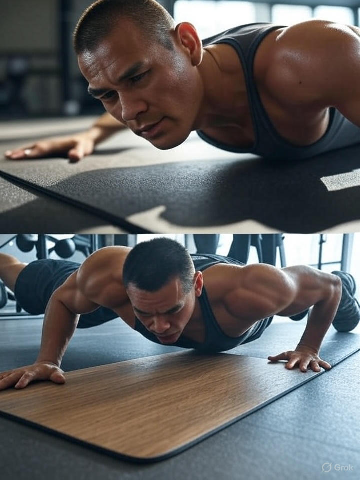
FAQs About Ab Workouts
- How often should I do ab workouts?
Most people can safely train abs 3–5 times per week. Intense sessions require at least 24–48 hours of recovery between workouts.
- Can I get six-pack abs in a month?
Visible abs depend on body fat percentage, genetics, and nutrition. While you may feel stronger in a month, visible six-pack abs usually take longer (8–12 weeks or more).
- Do ab exercises burn belly fat?
No, you cannot spot-reduce fat. Ab exercises strengthen muscles, but fat loss requires overall calorie burn through cardio, diet, and strength training.
- Should I do ab workouts before or after cardio?
- Cardio first: Burns calories for fat loss, then abs for definition.
- Abs first: Focuses on strength and form when muscles are fresh.
- How long should an ab workout last?
A focused ab session can last 15–30 minutes. Quality and controlled movements matter more than duration.
- What are the best ab exercises for beginners?
- Plank (knee or standard)
- Bicycle crunch (slow)
- Russian twist (feet on floor)
- Mountain climbers (slow pace)
- What are the best ab exercises for advanced trainees?
- Weighted planks or planks with shoulder taps
- Hanging leg raises / toes-to-bar
- Weighted Russian twists
- Cross-body mountain climbers or stability ball rollouts
- Can I train abs every day?
Light core work can be done daily, but intense ab workouts should have 1–2 rest days per week to allow muscle recovery.
- How can I prevent lower back pain during ab exercises?
- Keep core engaged
- Avoid arching your lower back
- Use proper form and controlled movements
- How important is diet for ab definition?
Diet is crucial. Even strong abs won’t show under a layer of fat. Focus on protein, healthy fats, complex carbs, and calorie control.
- Are weighted ab exercises safe?
Yes, if done with proper form and gradual progression. Start with bodyweight, then add resistance slowly.
- What is the role of cardio in revealing abs?
Cardio burns calories and reduces overall body fat, helping ab muscles become visible. HIIT and core-engaging cardio are especially effective.
- How do I know if I’m progressing in ab strength?
- Longer plank hold times
- More reps or sets in exercises
- Ability to perform advanced variations
- Visible changes in core tone
- Should I use machines or free exercises for abs?
- Free exercises (planks, crunches, hanging leg raises) improve functional core strength.
- Machines can add variety but are not necessary for core development.
- How do I recover faster between ab workouts?
- Get 7–9 hours of sleep
- Eat protein-rich meals
- Use active recovery like light cardio or stretching
- Hydrate adequately
- What are common mistakes in ab training?
- Using momentum instead of controlled movement
- Holding your breath
- Overtraining without rest
- Neglecting other muscle groups
- Can ab workouts improve posture?
Yes, strong core muscles support the spine, improve balance, and reduce slouching.
- Is it better to do high reps or weighted ab exercises?
- High reps: Build endurance
- Weighted: Increase strength and definition
- Combination: Most effective for full development
- Can ab workouts help with lower back pain?
Yes, strengthening the core stabilizes the spine, but always maintain proper form and consult a professional if pain persists.
- Are planks better than crunches?
Both have benefits:
- Planks: Build full core stability
- Crunches: Target upper abs specifically
- Using a mix is ideal for balanced development.
- How long until I see visible results?
With consistent exercise, cardio, and diet, some visible changes may appear in 4–6 weeks, with more defined results in 8–12 weeks.
- Can I do ab exercises at home without equipment?
Absolutely! Planks, bicycle crunches, mountain climbers, and Russian twists require no equipment.
- What role do obliques play in ab workouts?
Obliques stabilize the torso and enable rotational movement. Exercises like Russian twists, side planks, and bicycle crunches target obliques.
- Should I combine abs with full-body strength training?
Yes. Full-body training boosts metabolism, burns more fat, and helps reveal abs faster.
- How do I progress from beginner to advanced ab exercises?
- Increase duration (longer planks)
- Increase reps (more crunches)
- Add weight or resistance bands
- Try unstable surfaces like stability balls
Conclusion
Incorporating ab workouts into your fitness routine is essential for building a strong core, improving posture, and enhancing overall body strength. Remember to perform exercises with proper form, maintain consistency, and combine them with a balanced diet and overall fitness regimen for the best results.
For more information on effective ab workouts, you can refer to resources like Healthline and Mayo Clinic.