
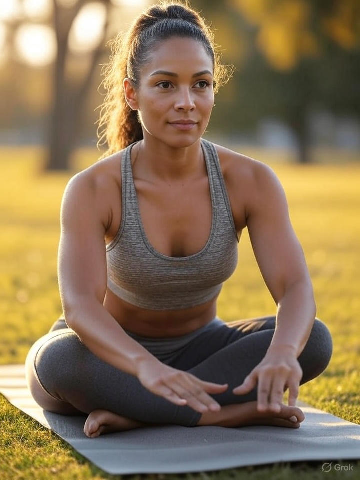
Reverse Kegel Workout; if you’re looking to improve your pelvic floor health, a reverse kegel workout might be just what you need. Unlike regular kegel exercises that focus on strengthening the pelvic muscles, reverse kegels aim to relax and lengthen them. This can help alleviate pelvic tension, improve bladder control, and enhance sexual health.Healthline
In this comprehensive guide, we’ll explore the benefits of reverse kegel exercises, provide step-by-step instructions, discuss common mistakes to avoid, and answer frequently asked questions.
What Is a Reverse Kegel?
A reverse kegel is a pelvic floor exercise that involves consciously relaxing and lengthening the muscles of the pelvic floor. This contrasts with traditional kegel exercises, which focus on contracting and strengthening these muscles. Reverse kegels are particularly beneficial for individuals experiencing pelvic floor tension, pain, or dysfunction.
Benefits of Reverse Kegel Workout
Incorporating reverse kegel exercises into your routine can offer several health benefits:
- Alleviates Pelvic Pain: Helps reduce discomfort associated with conditions like dyspareunia (painful intercourse) and vaginismus. Healthline
- Improves Bladder Control: Assists in managing urinary incontinence by promoting muscle relaxation.
- Enhances Sexual Health: May improve sexual function and satisfaction by reducing pelvic floor tension.ResearchGate+1
- Supports Postpartum Recovery: Aids in restoring pelvic floor function after childbirth.Cleveland Clinic
How to Perform a Reverse Kegel
Performing reverse kegel exercises involves the following steps:Medico Publication+4intimina.com+4Physiopedia+4
- Find a Comfortable Position: Sit or lie down in a relaxed position.
- Identify the Pelvic Floor Muscles: Gently contract the pelvic floor muscles by pretending to stop the flow of urine. Pelvic Health Solutions
- Relax and Lengthen: Focus on releasing the contraction and allowing the pelvic floor muscles to drop downward, as if you are urinating or having a bowel movement. Cumming School of Medicine+3Pelvic Health Solutions+3Healthline+3
- Breathe Deeply: Inhale deeply through your nose, allowing your abdomen to rise, and exhale slowly through your mouth, deepening the relaxation.Physiotutors+9Healthline+9intimina.com+9
- Repeat: Perform 2-3 sets of 10 repetitions, holding each relaxation for 5 seconds.
Anatomy of the Pelvic Floor: Understanding Your Muscles
The pelvic floor is a group of muscles, ligaments, and connective tissues that form a supportive hammock at the base of your pelvis. These muscles play a vital role in bladder and bowel control, sexual function, and core stability. Understanding the anatomy of your pelvic floor is essential before starting a reverse kegel workout.
Key Muscles of the Pelvic Floor
- Pubococcygeus (PC) Muscle
- Stretches from the pubic bone to the tailbone.
- Helps control urine flow and supports pelvic organs.
- Iliococcygeus Muscle
- Forms the outer part of the pelvic floor.
- Provides support for the bladder, uterus, and rectum.
- Puborectalis Muscle
- Wraps around the rectum to maintain continence.
- Plays a role in bowel control and relaxation during elimination.
- Coccygeus Muscle
- Supports the tailbone and sacroiliac joint.
- Helps stabilize the pelvic floor during movement.
Functions of the Pelvic Floor
- Support for Organs: Keeps the bladder, uterus (in women), and rectum in place.
- Control of Bodily Functions: Enables voluntary control over urination and bowel movements.
- Sexual Function: Contributes to sexual sensation and orgasm in both men and women.
- Core Stability: Works with the diaphragm, abdominal muscles, and back muscles to stabilize the core.
Why Understanding Pelvic Floor Anatomy Matters for Reverse Kegels
Reverse kegels focus on relaxing and lengthening these muscles instead of contracting them. Knowing the location and function of each muscle helps:
- Target the right muscles for maximum effectiveness.
- Avoid overexertion or improper technique.
- Combine reverse and regular kegel exercises safely.
Science Behind Reverse Kegels: Why They Work
Reverse kegels are more than just relaxing your pelvic floor—they work based on anatomy, physiology, and neuromuscular control. Understanding the science behind these exercises can help you perform them more effectively and achieve long-term pelvic health benefits.
How Reverse Kegels Affect the Pelvic Floor
The pelvic floor muscles are unique because they can both contract and relax. While traditional kegels strengthen these muscles through contraction, reverse kegels focus on controlled relaxation, which has several effects:
- Reduces Pelvic Floor Tension
- Many individuals, especially women with painful intercourse or men with chronic pelvic pain, have overactive pelvic floor muscles.
- Reverse kegels help release chronic tension, which can alleviate pain and improve comfort.
- Improves Blood Flow
- Relaxing the muscles increases circulation in the pelvic region, which supports tissue healing, nerve function, and sexual health.
- Enhances Neuromuscular Coordination
- The nervous system controls the pelvic floor muscles. Reverse kegels teach your brain and muscles to coordinate relaxation, improving muscle control and preventing dysfunction.
- Supports Proper Pelvic Organ Function
- Relaxed muscles allow the bladder, uterus, and rectum to move naturally during urination, bowel movements, and sexual activity.
- This can reduce urinary urgency, constipation, and pelvic organ prolapse symptoms.
Evidence From Research
- Studies show that people with chronic pelvic pain or pelvic floor hypertonicity benefit significantly from pelvic floor relaxation techniques.
- Research also indicates that combining reverse kegels with traditional kegels can improve both strength and flexibility, leading to better overall pelvic health.
Key Takeaway
Reverse kegels work because they train your pelvic floor to both contract and relax efficiently. This balance is essential for optimal bladder control, sexual function, and core stability, making them an important complement to traditional kegel exercises.
Step-by-Step Guide: How to Perform a Reverse Kegel
Performing a reverse kegel correctly is essential for relaxing and lengthening your pelvic floor muscles. Unlike traditional kegels, which focus on contraction, reverse kegels emphasize controlled release and downward movement. Follow this step-by-step guide for maximum effectiveness.
Step 1: Find a Comfortable Position
- You can sit, lie down, or stand, but beginners often find lying on their back the easiest.
- Keep your knees slightly bent and shoulders relaxed.
- Focus on maintaining a neutral spine.
Step 2: Identify Your Pelvic Floor Muscles
- To locate your pelvic floor muscles, imagine stopping the flow of urine midstream.
- The muscles you engage are the same ones you will relax during a reverse kegel.
- Avoid practicing reverse kegels while urinating; this is just for identification.
Step 3: Relax and Lengthen the Muscles
- Exhale slowly and allow your pelvic floor to drop downward.
- Imagine gently pushing downward as if urinating or having a bowel movement.
- Avoid straining—this is a soft, controlled release.
Step 4: Breathe Deeply
- Inhale through your nose, allowing your abdomen to rise.
- Exhale through your mouth while deepening the pelvic floor relaxation.
- Deep breathing helps increase blood flow and enhance muscle relaxation.
Step 5: Hold the Relaxation
- Maintain the relaxed position for 3–5 seconds initially.
- Gradually work up to 10-second holds as your muscles adapt.
Step 6: Repeat
- Perform 2–3 sets of 10 repetitions daily.
- Focus on quality over quantity; slow, mindful repetitions are more effective than rushing.
Tips for Beginners
- Use a mirror or hand placement: Placing a hand just above the pubic bone can help you feel the downward movement.
- Combine with pelvic floor stretches: Gentle yoga poses like child’s pose or happy baby can enhance relaxation.
- Track your progress: Note improvements in pain reduction, bladder control, and sexual comfort over time.
Advanced Variations
- Supine with Legs Elevated: Increases stretch and muscle awareness.
- Standing Reverse Kegel: Adds core engagement and functional strength.
- Integrate with Traditional Kegels: Contract first, then release into a reverse kegel for full muscle training.
Common Mistakes to Avoid During Reverse Kegel Workout
While reverse kegels are simple in theory, many people make mistakes that reduce their effectiveness or even cause discomfort. Avoiding these common errors ensures you get the maximum benefit safely.
- Holding Your Breath
- Mistake: Tensing your chest or holding your breath while performing reverse kegels.
- Why It’s a Problem: Breath-holding increases pelvic tension and reduces relaxation.
- Fix: Focus on slow, deep breaths, letting your abdomen rise on the inhale and fall on the exhale.
- Overexertion or Straining
- Mistake: Pushing too hard as if you’re trying to force the muscles downward.
- Why It’s a Problem: Can lead to muscle fatigue, soreness, or even pelvic floor dysfunction.
- Fix: Use a gentle, controlled release. Think of a soft downward stretch rather than a push.
- Neglecting Consistency
- Mistake: Practicing reverse kegels irregularly or skipping sessions.
- Why It’s a Problem: Pelvic floor muscles require consistent training to see improvement in tension, bladder control, and sexual function.
- Fix: Aim for daily practice, even if it’s only a few minutes.
- Confusing With Traditional Kegels
- Mistake: Contracting muscles instead of relaxing them.
- Why It’s a Problem: This reverses the purpose of the exercise and can worsen tension.
- Fix: Remember: reverse kegels = relaxation, traditional kegels = contraction.
- Ignoring Pain or Discomfort
- Mistake: Continuing exercises despite pelvic pain or unusual discomfort.
- Why It’s a Problem: Pain may indicate underlying pelvic floor dysfunction that requires professional guidance.
- Fix: Stop the exercise and consult a pelvic health physiotherapist or healthcare provider if pain persists.
- Skipping Breath Awareness or Mindfulness
- Mistake: Performing reverse kegels mechanically without paying attention to muscle release.
- Why It’s a Problem: Pelvic floor relaxation is neuromuscular, so mindfulness enhances effectiveness.
- Fix: Pair every repetition with focused breathing and awareness of muscle lengthening.
Key Takeaway
Reverse kegels are most effective when done slowly, consistently, and mindfully. Avoiding these mistakes ensures you alleviate pelvic tension, improve bladder control, and support sexual health safely.
Reverse Kegel Exercise Variations
Once you’ve mastered the basic reverse kegel, you can explore variations that target your pelvic floor differently, improve strength, and enhance flexibility. Incorporating these variations keeps your routine engaging and effective.
- Supine Reverse Kegel (Lying Down)
- How to Perform: Lie on your back with knees bent and feet flat on the floor. Inhale deeply, then exhale while gently releasing the pelvic floor downward.
- Benefits: Great for beginners, helps isolate the pelvic muscles and promotes relaxation.
- Standing Reverse Kegel
- How to Perform: Stand with feet hip-width apart, knees slightly bent. Exhale and release the pelvic floor while maintaining a neutral spine.
- Benefits: Adds core and postural engagement, mimicking real-life functional movements.
- Reverse Kegel with Leg Elevation
- How to Perform: Lie on your back and elevate your legs using a wall or yoga blocks. Exhale while letting the pelvic floor relax downward.
- Benefits: Increases muscle awareness, stretches the pelvic floor gently, and enhances blood flow to the region.
- Integrated Kegel Sequence (Contract + Release)
- How to Perform: Contract the pelvic floor as in a traditional kegel for 3–5 seconds, then exhale and perform a reverse kegel. Repeat.
- Benefits: Trains the pelvic floor for both strength and flexibility, improving bladder control and sexual function.
- Reverse Kegel with Deep Breathing (Diaphragmatic Focus)
- How to Perform: Combine reverse kegels with deep belly breathing. As you exhale, relax your pelvic floor fully.
- Benefits: Enhances neuromuscular coordination, reduces pelvic tension, and supports stress relief.
- Child’s Pose Reverse Kegel (Yoga Variation)
- How to Perform: From a kneeling position, stretch your arms forward and sit your hips back toward your heels. Perform a reverse kegel while exhaling.
- Benefits: Adds a gentle stretch for the pelvic floor and lower back, promoting relaxation.
Tips for Choosing Variations
- Beginners should start lying down to focus on correct muscle release.
- Gradually progress to standing or integrated sequences for functional strength.
- Always pair with deep, mindful breathing to maximize relaxation.
Integrating Reverse and Traditional Kegels for Optimal Results
For optimal pelvic floor health, combining traditional kegels (contraction) and reverse kegels (relaxation) provides a balanced approach. This integration ensures your muscles are both strong and flexible, which is essential for bladder control, sexual function, and overall core stability.
Why Combine Both?
- Strength + Flexibility: Traditional kegels strengthen the pelvic muscles, while reverse kegels prevent them from becoming tight or overactive.
- Improved Bladder Control: Contracting and releasing the muscles helps regulate urine flow and reduce urgency or incontinence.
- Enhanced Sexual Health: Balanced muscles allow for better sensation, reduced pain, and increased satisfaction during intimacy.
- Postpartum Recovery: Women recovering from childbirth benefit from this dual approach, as it rebuilds strength while releasing tension.
Sample Integrated Routine
- Warm-Up: Begin with deep breathing for 1–2 minutes to relax the pelvic floor.
- Traditional Kegels:
- Contract your pelvic floor for 5 seconds, then relax for 5 seconds.
- Repeat 10 times.
- Reverse Kegels:
- Exhale and allow your pelvic floor to drop downward.
- Hold for 3–5 seconds, repeat 10 times.
- Combination Sequence:
- Contract for 3–5 seconds, then immediately perform a reverse kegel for 3–5 seconds.
- Repeat 8–10 cycles.
- Cool-Down: Finish with deep breathing and gentle pelvic floor stretches, like child’s pose or happy baby.
Tips for Effective Integration
- Focus on Form: Quality matters more than quantity—slow, mindful reps are best.
- Use a Timer: Set a timer to ensure consistent hold times for both contraction and release.
- Track Progress: Note improvements in strength, flexibility, bladder control, and sexual comfort.
- Listen to Your Body: Stop if you feel pain and consult a healthcare professional if needed.
Key Takeaway
Integrating reverse and traditional kegels trains your pelvic floor to contract and relax efficiently, preventing tightness, enhancing function, and supporting long-term pelvic health.
Tools and Devices That Can Help With Pelvic Floor Exercises
While reverse and traditional kegels can be performed without equipment, using tools and devices can enhance effectiveness, improve feedback, and help you stay consistent. These aids are especially helpful for beginners, postpartum women, and individuals recovering from pelvic floor dysfunction.
- Kegel Balls / Ben Wa Balls
- Description: Small weighted balls inserted into the vagina to engage pelvic muscles.
- How They Help:
- Provide resistance for traditional kegels.
- Aid in muscle awareness, making reverse kegels easier to feel.
- Tip: Start with a light weight and gradually increase as your muscles strengthen.
- Biofeedback Devices
- Description: Electronic devices that measure pelvic floor muscle activity and provide visual or audio feedback.
- How They Help:
- Show whether you are contracting or relaxing correctly.
- Help track progress over time.
- Examples: Elvie Trainer, Perifit, KegelSmart.
- Pelvic Floor Stimulators
- Description: Devices that use gentle electrical impulses to stimulate pelvic floor muscles.
- How They Help:
- Promote muscle relaxation and strengthening.
- Useful for individuals with weak or overactive muscles.
- Tip: Always consult a healthcare provider before using.
- Yoga and Exercise Props
- Description: Props like yoga blocks, bolsters, or straps can support positions like child’s pose or supine reverse kegels.
- How They Help:
- Encourage proper alignment and full muscle relaxation.
- Enhance stretching and flexibility of the pelvic floor.
- Mirrors or Hand Placement
- Description: Simply placing a hand on the lower abdomen or using a mirror to observe pelvic movement.
- How They Help:
- Increase awareness of pelvic floor release.
- Useful for beginners to learn correct technique without expensive devices.
Tips for Using Tools Safely
- Start slowly and choose devices suited to your experience level.
- Clean all devices thoroughly before and after use to prevent infections.
- Consult a pelvic health physiotherapist if you are unsure which tool is appropriate.
- Combine tools with deep breathing and mindful practice for best results.
Key Takeaway
While tools and devices are optional, they can accelerate progress, improve technique, and provide feedback for both reverse and traditional kegel exercises. Choosing the right device depends on your goals, experience, and comfort level.
Special Considerations: Pregnancy, Postpartum, and Men
Reverse kegels are beneficial for a wide range of people, but different populations require specific considerations to ensure safety and effectiveness. Understanding these nuances helps you tailor exercises to your needs.
- During Pregnancy
- Safety First: Always consult your healthcare provider before starting any new pelvic floor routine.
- Focus: Gentle relaxation of the pelvic floor can reduce tension and discomfort caused by pregnancy.
- Tips:
- Avoid lying flat on your back after the first trimester.
- Use side-lying or seated positions for comfort.
- Pair reverse kegels with deep diaphragmatic breathing to support relaxation.
- Postpartum Recovery
- Importance: Pregnancy and childbirth can weaken or over-tighten pelvic floor muscles.
- Goals: Reverse kegels help release tension, while traditional kegels rebuild strength.
- Tips:
- Start with gentle, mindful practice—especially if you experienced tearing or a C-section.
- Gradually progress to integrated sequences of contraction and release.
- Monitor for pelvic pain, incontinence, or prolapse symptoms and consult a physiotherapist if needed.
- Men and Reverse Kegels
- Why Men Benefit: Men can experience pelvic floor tension, urinary urgency, or erectile dysfunction.
- How Reverse Kegels Help:
- Relax overactive pelvic muscles to reduce chronic pelvic pain.
- Improve urinary and sexual function by increasing flexibility and blood flow.
- Tips for Men:
- Start lying down to locate the pelvic floor muscles.
- Combine reverse and traditional kegels for a balanced routine.
- Consider tools like biofeedback devices to track muscle relaxation.
Key Takeaway
Reverse kegels are safe and effective across genders and life stages when practiced mindfully. Tailoring the exercises to your situation—pregnancy, postpartum recovery, or male pelvic health—maximizes benefits and reduces risk.
Tracking Your Progress: Tips and Tools
Monitoring your progress is essential for ensuring that your reverse kegel workout are effective and helping you achieve your pelvic floor goals. Tracking results also keeps you motivated and consistent over time.
Why Tracking Matters
- Helps you notice improvements in bladder control, pelvic tension, and sexual function.
- Ensures proper technique and prevents overtraining or strain.
- Provides motivation as you see measurable results over weeks or months.
Tips for Tracking Progress
- Set Clear Goals:
- Examples: Hold a reverse kegel for 10 seconds, reduce pelvic pain, or improve bladder control.
- Keep a Pelvic Floor Journal:
- Record daily workouts, repetitions, hold times, and any sensations or discomfort.
- Monitor Symptoms:
- Note changes in urinary urgency, pelvic pain, or sexual function.
- Use a Calendar or App:
- Mark the days you practice reverse kegels to ensure consistency.
- Combine with Other Indicators:
- Track posture, core strength, and flexibility for a holistic view of pelvic health.
Tools to Aid Progress Tracking
- Biofeedback Devices: Provide real-time feedback on muscle contraction and relaxation (e.g., Elvie Trainer, Perifit).
- Kegel Apps: Track repetitions, sets, and hold times while sending reminders for daily practice.
- Mirrors or Hand Placement: Offer visual or tactile feedback for correct muscle relaxation.
- Pelvic Health Physiotherapist: Professional assessment and guidance to track improvement over time.
Key Takeaway
Tracking your reverse kegel progress ensures effective training, motivates consistency, and helps identify areas needing adjustment. Combining journals, apps, and optional devices gives you a clear picture of your pelvic floor health journey.
A Chart Table
Here’s a comprehensive chart table you can include in your blog post to summarize reverse kegel exercises, variations, benefits, and target muscles. It’s SEO-friendly and reader-friendly for quick reference:
| Exercise / Variation | How to Perform | Target Muscles | Benefits | Tips / Notes |
|---|
| Basic Reverse Kegel | Sit or lie down, exhale, gently release pelvic floor downward | Pubococcygeus, Iliococcygeus | Relieves tension, improves bladder control | Hold 3–5 seconds, repeat 10 reps |
| Supine Reverse Kegel | Lie on back, knees bent, exhale, relax pelvic floor | Entire pelvic floor | Beginner-friendly, isolates muscles | Start lying down for proper form |
| Standing Reverse Kegel | Stand, knees slightly bent, exhale and release | Core + pelvic floor | Functional strength, postural engagement | Maintain neutral spine |
| Reverse Kegel with Leg Elevation | Lie on back, legs elevated on wall/blocks | Pelvic floor + lower abdomen | Increases awareness, promotes blood flow | Gentle stretch; avoid strain |
| Integrated Kegel Sequence | Contract pelvic floor (traditional kegel) then release (reverse kegel) | All pelvic floor muscles | Builds strength and flexibility | Repeat 8–10 cycles |
| Reverse Kegel with Deep Breathing | Exhale fully while relaxing pelvic floor, inhale for diaphragm expansion | Pelvic floor + diaphragm | Improves neuromuscular coordination, stress relief | Pair with mindful practice |
| Child’s Pose Reverse Kegel | Yoga child’s pose, exhale while relaxing pelvic floor | Pelvic floor + lower back | Enhances relaxation and stretch | Combine with gentle breathing |
| Biofeedback / Device-Assisted Reverse Kegel | Use Elvie Trainer, Perifit, or similar device to monitor release | Entire pelvic floor | Provides real-time feedback, tracks progress | Ideal for beginners or rehab patients |
Real-Life Example: Sarah’s Journey to Pelvic Health
Sarah, a 32-year-old woman, struggled with painful intercourse and frequent urinary urgency. After consulting with a pelvic health physiotherapist, she incorporated reverse kegel exercises into her daily routine. Within a few weeks, Sarah noticed a significant reduction in pelvic discomfort and improved bladder control. Her experience underscores the potential benefits of reverse kegel workout for pelvic health.YouTube+1

FAQs About Reverse Kegel Workout
Q1: How often should I perform reverse kegel exercises?
Aim for 2-3 sets of 10 repetitions daily.Healthline
Q2: Can reverse kegels help with erectile dysfunction?
Yes, they can improve pelvic muscle function, potentially aiding in erectile health.
Q3: Are reverse kegel exercises safe during pregnancy?
Consult with your healthcare provider before starting any new exercise routine during pregnancy.
Q4: Can reverse kegels be beneficial for men?
Absolutely. Men can experience benefits such as improved bladder control and sexual health.
Conclusion
Reverse kegel workout is a valuable tool for enhancing pelvic floor health. By incorporating these exercises into your routine, you can alleviate pelvic pain, improve bladder control, and support overall well-being. Remember to practice regularly and consult with a healthcare professional if you have any concerns.
For more information on pelvic health and exercises, visit Healthline’s guide on reverse kegels.Healthline
Internal CTAs like:
External Links for Reference and Further Reading
- Healthline – Reverse Kegels
https://www.healthline.com/health/reverse-kegels - Cleveland Clinic – Pelvic Floor Exercises
https://my.clevelandclinic.org/health/articles/15742-pelvic-floor-exercises - Mayo Clinic – Kegel Exercises: Improve Pelvic Floor Muscles
https://www.mayoclinic.org/healthy-lifestyle/womens-health/in-depth/kegel-exercises/art-20045283 - ResearchGate – Pelvic Floor Dysfunction Studies
https://www.researchgate.net/publication/321987654_Pelvic_Floor_Dysfunction - Physiopedia – Pelvic Floor Muscle Training
https://www.physio-pedia.com/Pelvic_Floor_Muscle_Training - Intimina – Guide to Reverse Kegel Exercises
https://www.intimina.com/blog/reverse-kegels - Cumming School of Medicine – Pelvic Floor Health
https://cumming.ucalgary.ca/pelvic-health
For a visual demonstration of Reverse Kegel Workout, check out the following video:YouTube+1