
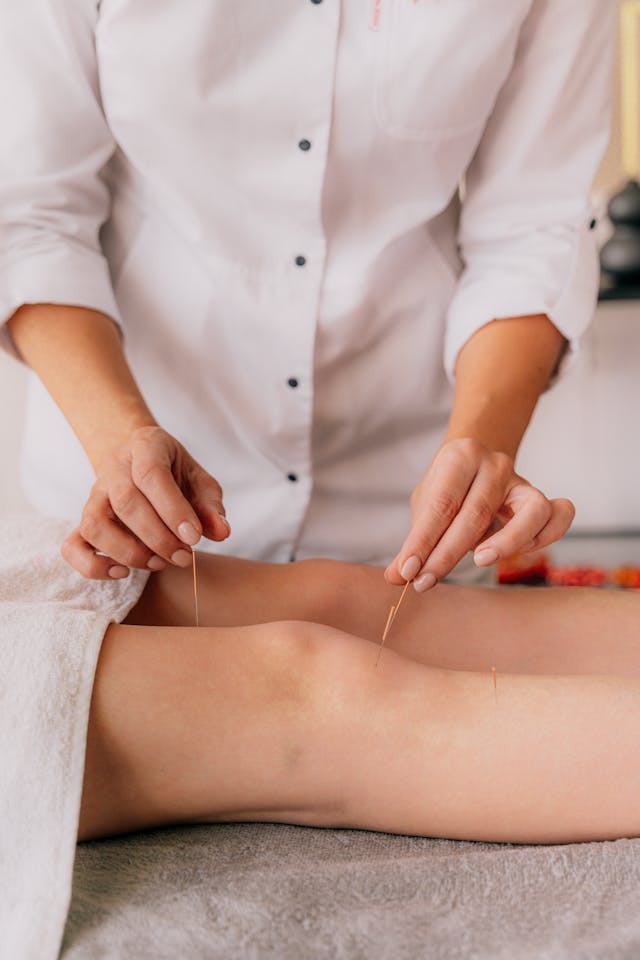
Top 5 mistakes after knee replacement can slow down your recovery and cause unnecessary pain. Knee replacement surgery is a big step toward getting your life back, whether you’re tired of knee pain or want to move freely again. However, what you do after surgery is just as important as the surgery itself. Many people make simple mistakes that can lead to complications, longer recovery times, or even damage to the new knee joint.
In this article, I’ll share the top 5 mistakes after knee replacement and give you easy tips to avoid them. I’ll also include real-life examples, case studies, and practical advice to help you recover faster. By the end, you’ll know exactly what not to do and how to make your recovery smooth and successful. Let’s dive in!
Why Avoiding Mistakes After Knee Replacement Matters
Knee replacement surgery, also called knee arthroplasty, is one of the most common surgeries for people with severe arthritis or knee injuries. According to the American Academy of Orthopaedic Surgeons, over 700,000 knee replacements are performed each year in the U.S. alone. The surgery replaces damaged parts of your knee with artificial parts, helping you walk, climb stairs, and enjoy life without pain.
However, recovery isn’t automatic. Therefore, avoiding the top 5 mistakes after knee replacement is key to getting the best results. For example, skipping physical therapy or pushing yourself too hard can lead to stiffness, swelling, or even a failed surgery. In fact, studies show that up to 20% of patients are dissatisfied with their knee replacement due to preventable mistakes during recovery.
Now, let’s explore the top 5 mistakes after knee replacement and how you can steer clear of them.
Mistake #1: Skipping or Rushing Physical Therapy
Why Physical Therapy Is Crucial
One of the top 5 mistakes after knee replacement is skipping or rushing through physical therapy (PT). PT helps your knee regain strength, flexibility, and movement. Without it, your knee may stay stiff, and you might struggle to walk or climb stairs.
For instance, physical therapists guide you through exercises to strengthen the muscles around your knee. They also teach you how to move safely. However, some people think they can skip PT or do it on their own. As a result, they risk poor recovery.
Real-Life Example: Sarah’s Story
Sarah, a 62-year-old teacher, had knee replacement surgery in 2023. She felt good a few weeks after surgery and decided to skip PT sessions to save time. Unfortunately, her knee became stiff, and she couldn’t bend it fully. Consequently, she needed extra therapy months later, which delayed her return to work. Sarah later said, “I wish I’d stuck with PT from the start. It would’ve saved me so much trouble.”
How to Avoid This Mistake
- Stick to Your PT Schedule: Attend every session, even if you feel better. PT can take 6–12 weeks, depending on your progress.
- Do Home Exercises: Your therapist will give you exercises to do at home. Therefore, follow them daily.
- Be Patient: Progress takes time. Don’t rush or skip steps, as this can harm your knee.
According to Mayo Clinic, consistent PT can improve knee function by up to 90% within 3 months. So, make it a priority!
Mistake #2: Ignoring Pain or Swelling
Why Pain and Swelling Matter
Another top 5 mistakes after knee replacement is ignoring pain or swelling. After surgery, some pain and swelling are normal. However, if they get worse or don’t go away, it could signal a problem like infection or blood clots. For example, severe swelling might mean your knee isn’t healing properly.
Many people think pain is just part of recovery, so they push through it. Unfortunately, this can lead to serious complications. Therefore, paying attention to your body is critical.
Case Study: John’s Close Call
John, a 55-year-old construction worker, had knee replacement surgery in 2024. A few weeks later, he noticed his knee was red, swollen, and very painful. He ignored it, thinking it was normal. However, his wife insisted he see a doctor. As a result, they found an infection that needed urgent treatment. John’s doctor said, “If he’d waited longer, he could’ve lost the new knee joint.”
How to Avoid This Mistake
- Monitor Your Knee: Check for redness, warmth, or swelling that doesn’t improve. Also, watch for fever or chills.
- Use Ice and Elevation: Ice your knee for 15–20 minutes every few hours. Additionally, keep your leg raised to reduce swelling.
- Call Your Doctor: If pain or swelling worsens, contact your surgeon right away. Early treatment can prevent bigger problems.
The Cleveland Clinic notes that infections occur in about 1–2% of knee replacements but can be treated if caught early. So, don’t ignore warning signs.
Mistake #3: Doing Too Much Too Soon
The Danger of Overdoing It
Pushing yourself too hard is another top 5 mistakes after knee replacement. After surgery, you might feel eager to get back to normal activities like gardening, sports, or even walking long distances. However, your new knee needs time to heal. For example, high-impact activities can loosen the artificial joint or cause injury.
Many patients think being active means doing more. But in reality, overdoing it can set you back weeks or months. Therefore, balance is key.
Real-Life Example: Maria’s Setback
Maria, a 70-year-old retiree, had knee replacement surgery in 2022. Two weeks after surgery, she decided to clean her house and climb stairs repeatedly. As a result, her knee swelled, and she felt sharp pain. Her doctor told her she’d delayed her recovery by several weeks. Maria said, “I thought staying active meant doing everything. I learned the hard way to take it slow.”
How to Avoid This Mistake
- Follow Your Doctor’s Advice: Your surgeon will tell you when it’s safe to increase activity. For example, walking short distances is okay, but avoid running or jumping for at least 3–6 months.
- Rest Between Activities: Take breaks to let your knee recover. Also, avoid standing or walking for too long.
- Use Assistive Devices: Crutches, walkers, or canes can help you move safely. Don’t stop using them until your doctor approves.
According to WebMD, most patients can resume light activities like driving after 6 weeks, but high-impact sports may take 6 months or more. So, be patient.
Mistake #4: Neglecting Nutrition and Hydration
Why Food and Water Help Recovery
Neglecting nutrition and hydration is one of the top 5 mistakes after knee replacement. Your body needs energy and nutrients to heal. For example, protein helps rebuild muscles, while vitamins like C and D support bone health. Additionally, staying hydrated keeps your joints lubricated and reduces swelling.
However, some people forget to eat well or drink enough water after surgery. As a result, they feel tired, heal slower, or even get constipated from pain medications. Therefore, good nutrition is a must.
Case Study: Tom’s Recovery Boost
Tom, a 65-year-old accountant, had knee replacement surgery in 2023. At first, he ate poorly because he felt nauseous from pain meds. His recovery was slow, and he felt weak. Then, his daughter helped him plan meals with lean protein, fruits, and vegetables. She also reminded him to drink water. Consequently, Tom’s energy improved, and his knee healed faster. He said, “Eating right made a huge difference.”
How to Avoid This Mistake
- Eat Protein-Rich Foods: Include chicken, fish, eggs, or beans in every meal. Aim for 60–80 grams of protein daily.
- Stay Hydrated: Drink 8–10 glasses of water a day. Also, avoid sugary drinks or alcohol, which can slow healing.
- Take Vitamins: Ask your doctor about supplements like vitamin D or calcium to support bone health.
The Academy of Nutrition and Dietetics suggests eating colorful fruits and vegetables to boost healing after surgery. So, fill your plate with variety.
Mistake #5: Not Following Medication Instructions
Why Medications Matter
The final top 5 mistakes after knee replacement is not following medication instructions. After surgery, your doctor may prescribe painkillers, blood thinners, or antibiotics. These help manage pain, prevent blood clots, or stop infections. However, some people skip doses, take too much, or stop medications early. As a result, they risk complications like pain flares or dangerous clots.
For example, blood thinners like warfarin reduce the risk of deep vein thrombosis (DVT), a common issue after knee surgery. Therefore, taking medications as prescribed is critical.
Real-Life Example: Lisa’s Lesson
Lisa, a 58-year-old nurse, had knee replacement surgery in 2024. She stopped taking her blood thinners early because she felt fine. A week later, she developed leg pain and was diagnosed with a blood clot. Fortunately, quick treatment saved her, but she needed extra monitoring. Lisa said, “I thought I knew better because I’m a nurse. I was wrong.”
How to Avoid This Mistake
- Take Medications on Time: Set alarms or use a pill organizer to stay on schedule.
- Don’t Skip Doses: Even if you feel good, finish the full course of antibiotics or blood thinners as prescribed.
- Ask About Side Effects: If medications make you feel sick, talk to your doctor. They can adjust your dose or switch drugs.
According to the National Institute of Health, blood clots occur in up to 40% of knee replacement patients without proper medication. So, follow your doctor’s orders.
FAQs About the Top 5 Mistakes After Knee Replacement
- How long does it take to recover from knee replacement surgery?
Recovery varies, but most people can walk without help in 4–6 weeks. Full recovery, including returning to sports, may take 6–12 months. Stick to PT and avoid the top 5 mistakes after knee replacement for best results.
- Can I skip physical therapy if my knee feels fine?
No, skipping PT is one of the top 5 mistakes after knee replacement. Even if your knee feels okay, PT strengthens muscles and prevents stiffness. Always follow your therapist’s plan.
- What are signs of a problem after knee replacement?
Redness, swelling, warmth, fever, or severe pain could signal infection or a blood clot. Call your doctor immediately if you notice these symptoms.
- When can I return to work after knee replacement?
It depends on your job. Desk jobs may allow a return in 4–6 weeks, while physical jobs might take 3–6 months. Ask your doctor for guidance.
- Can I exercise after knee replacement?
Yes, but start with low-impact activities like walking or swimming. Avoid high-impact sports until your doctor approves, usually after 6 months.
Conclusion
Avoiding the top 5 mistakes after knee replacement can make your recovery faster, smoother, and more successful. To recap, don’t skip physical therapy, ignore pain or swelling, push yourself too hard, neglect nutrition, or skip medications. Instead, follow your doctor’s advice, listen to your body, and stay patient.
For example, Sarah, John, Maria, Tom, and Lisa all learned the hard way that small mistakes can lead to big problems. However, by learning from their stories, you can avoid the same pitfalls. Therefore, take your recovery one step at a time, and you’ll be back to enjoying life in no time.
If you have questions or want to share your own recovery tips, leave a comment below. Also, check with your doctor for personalized advice. Here’s to a strong, healthy knee and a bright future!