
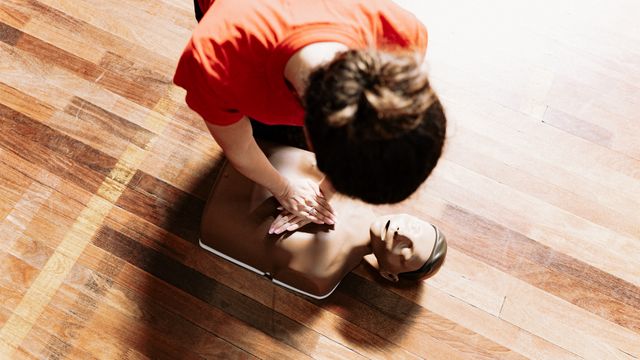
Emergencies can happen at any time and in any place. A person may suddenly need help at work, school, or during a community event. When people know CPR, they can respond quickly and provide support until professional help arrives.
Building an emergency-ready culture starts with preparation. CPR training gives individuals the knowledge and confidence to act during critical situations. When more people are trained, communities and organizations become safer and better prepared for emergencies.
Why CPR Training Matters
CPR, or cardiopulmonary resuscitation, is a life-saving skill. It helps maintain blood flow and oxygen to the body when a person’s heart stops beating.
Quick action can make a major difference during a medical emergency. The first few minutes are often the most important. People who know CPR can provide immediate assistance while waiting for emergency responders.
Training helps reduce fear and uncertainty. It gives people the confidence to take action when every second counts.
Creating a Culture of Preparedness
An emergency-ready culture is built on awareness and preparation. Organizations that encourage CPR training show a commitment to safety and responsibility.
Employees, students, and community members feel more confident when they know others are prepared to help during emergencies. This shared knowledge creates a stronger sense of security.
Preparedness should be part of everyday planning. Regular training and safety discussions help keep emergency response skills fresh and effective.
Making CPR Training Accessible
One of the best ways to build an emergency-ready culture is to make training easy to access. Flexible learning options allow more people to participate.
Many organizations provide CPR education as part of workplace safety programs. Schools, community centers, and local groups can also offer training opportunities.
Resources such as MyCPR NOW help individuals learn valuable CPR skills and improve emergency preparedness. Easy access to training encourages more people to become confident responders.
The more people who receive training, the stronger the safety network becomes.
Building Confidence Through Practice
Knowledge is important, but practice is equally valuable. Regular training sessions help participants become familiar with CPR techniques.
Practice allows people to respond more calmly during real emergencies. Repetition helps build confidence and improves skill retention.
Organizations can schedule refresher courses and emergency drills throughout the year. These activities help keep safety skills current and effective.
When people feel prepared, they are more likely to take action during an emergency situation.
Strengthening Workplace and Community Safety
CPR training benefits both workplaces and communities. In the workplace, trained employees can provide immediate assistance during medical emergencies. This may improve outcomes while waiting for professional help.
Communities also benefit when more residents know CPR. Schools, sports programs, and public events become safer when trained individuals are present.
A strong emergency response culture encourages teamwork and responsibility. It helps create environments where people look out for one another and are ready to help when needed.
Learn More About Integrating CPR Training
Integrating CPR training is an effective way to build emergency-ready cultures. It helps people develop life-saving skills, gain confidence, and respond quickly during critical situations.
By making training accessible and encouraging regular practice, organizations and communities can create safer environments for everyone. A prepared community is a stronger community, and CPR training is an important step toward that goal.