

Shoulder impingement exercises are a common condition that causes pain and limits movement in the shoulder. It occurs when the tendons of the rotator cuff muscles become irritated or compressed during shoulder movements. This condition can affect anyone, from athletes to office workers, and can significantly impact daily activities.
In this comprehensive guide, we’ll explore effective shoulder impingement exercises that can help alleviate pain, improve mobility, and prevent future injuries. Whether you’re dealing with acute pain or chronic discomfort, these exercises are designed to strengthen the shoulder muscles, enhance flexibility, and promote overall shoulder health.
What Is Shoulder Impingement?
Shoulder impingement, also known as subacromial impingement syndrome, occurs when the tendons of the rotator cuff muscles become irritated or compressed during shoulder movements. This compression can lead to pain, inflammation, and limited range of motion.
Causes of Shoulder Impingement
- Repetitive overhead movements: Activities like swimming, tennis, or painting can increase the risk.
- Poor posture: Rounded shoulders or forward head posture can contribute to impingement.
- Weak shoulder muscles: Insufficient strength in the rotator cuff or scapular stabilizers can lead to instability.
- Age-related changes: Degenerative changes in the shoulder joint can predispose individuals to impingement.
Symptoms
- Pain in the front or top of the shoulder
- Difficulty lifting the arm overhead
- Weakness in the shoulder
- Pain that worsens with overhead activities
The Science Behind Shoulder Impingement
Shoulder impingement happens when the tendons of the rotator cuff get pinched or compressed between the bones in your shoulder, especially the acromion (the top part of the shoulder blade) and the humeral head (the upper arm bone). This compression can cause irritation, inflammation, and sometimes small tears in the tendon.
The shoulder is a ball-and-socket joint, which means it can move in many directions. While this gives us great mobility, it also makes the shoulder less stable. Muscles, tendons, and ligaments work together to keep the shoulder in place. If any of these are weak or overused, the space where the tendons move becomes smaller. As a result, the tendons rub against the bone, leading to pain and stiffness.
How Shoulder Impingement Develops
- Repetitive Overhead Activities:
Activities like swimming, throwing, or lifting weights repeatedly raise the arm above the head. Over time, this can narrow the space between the rotator cuff tendons and the acromion, causing irritation. - Muscle Imbalances:
Weakness in the rotator cuff or shoulder blade muscles can make it hard for the shoulder to move smoothly. This increases the risk of tendons being pinched. - Posture Problems:
Rounded shoulders or slouching can change the shoulder mechanics. When the shoulder blade moves incorrectly, the space for tendons becomes smaller, leading to impingement. - Age-Related Changes:
Over time, bones and tendons can wear down. Bone spurs or thickened tendons can reduce space in the shoulder joint, increasing the chance of impingement.
The Role of Inflammation
When tendons get pinched repeatedly, the body reacts with inflammation. This is the body’s way of trying to protect the tendon, but it can make the shoulder painful, stiff, and less flexible. Without proper care, this inflammation can lead to tendonitis or partial tendon tears.
Why Understanding the Science Matters
Knowing how shoulder impingement works helps in designing the right exercises. For example:
- Strengthening exercises help support the shoulder and increase space for tendons.
- Stretching exercises improve mobility and posture.
- Postural corrections reduce the chance of tendon pinching during daily activities.
By understanding the science, you can target the exact muscles and movements that help relieve pain and prevent impingement from coming back.
Common Mistakes When Doing Shoulder Exercises
Even though shoulder exercises can help relieve impingement, doing them incorrectly can make your pain worse or slow recovery. Here are the most common mistakes people make and how to avoid them:
- Lifting Too Heavy Too Soon
Many people try to lift heavy weights or resistance bands before their shoulder is ready. This puts extra pressure on the tendons and can worsen impingement.
Tip: Start with light weights or even no weight. Focus on correct form first, then gradually increase resistance.
- Ignoring Proper Posture
Rounded shoulders, slouching, or leaning forward during exercises reduces the space in your shoulder joint. This can pinch the tendons even more.
Tip: Keep your back straight, shoulders down and back, and chest slightly lifted during all exercises.
- Doing Exercises Too Quickly
Fast movements can strain the shoulder tendons and limit the benefit of the exercise.
Tip: Move slowly and controlled. For example, during Resistance Band External Rotation, rotate outward slowly and pause for a second before returning.
- Skipping Warm-Ups
Jumping straight into shoulder exercises without warming up can increase the risk of injury.
Tip: Do 3–5 minutes of light arm circles, shoulder shrugs, or pendulum swings before exercises.
- Neglecting the Rotator Cuff and Shoulder Blade Muscles
Many people only work on the large shoulder muscles (deltoids) and forget the small but important muscles that stabilize the shoulder.
Tip: Include exercises that target the rotator cuff (like external rotations) and scapular stabilizers (like scapular squeezes).
- Ignoring Pain Signals
Mild discomfort is normal when starting exercises, but sharp or worsening pain is a warning sign.
Tip: Stop if pain is sharp or severe. Consult a physical therapist or healthcare provider before continuing.
- Skipping Stretching
Tight chest and shoulder muscles can worsen impingement. Skipping stretches like the Doorway Stretch can slow recovery.
Tip: Stretch before and after exercises to improve mobility and reduce tendon pinching.
- Inconsistent Practice
Doing exercises irregularly or only when in pain will not fix shoulder impingement.
Tip: Stick to a daily or 3–4 times a week schedule, depending on your program.
By avoiding these mistakes, your shoulder exercises will be more effective, and you’ll reduce the risk of further injury.
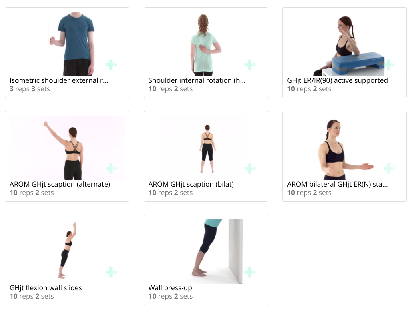
Role of Posture in Preventing Shoulder Impingement
Posture plays a critical role in preventing and managing shoulder impingement. Poor posture, such as rounded shoulders or a forward head, can change the alignment of the shoulder joint and reduce the space where the rotator cuff tendons move. This increases the risk of pinching the tendons during daily activities.
How Posture Affects the Shoulder
- Rounded Shoulders:
When your shoulders slouch forward, the acromion (the top of the shoulder blade) moves closer to the rotator cuff tendons. This makes it easier for tendons to get pinched during arm movements. - Forward Head Position:
A forward head posture often accompanies rounded shoulders. This shifts your shoulder mechanics, putting extra strain on the rotator cuff and surrounding muscles. - Weak Upper Back Muscles:
Weak muscles around the shoulder blades, like the rhomboids and lower trapezius, can cause the shoulders to roll forward. Strengthening these muscles improves posture and creates more space for the tendons.
Posture Tips to Prevent Impingement
- Sit and Stand Tall: Keep your shoulders back and chest open. Imagine a string pulling your head upwards to lengthen your spine.
- Engage Shoulder Blade Muscles: Practice scapular squeezes daily to strengthen the muscles that keep your shoulders aligned.
- Monitor Desk Setup: Keep your computer screen at eye level and avoid hunching forward. Use a supportive chair to maintain proper alignment.
- Stretch Chest Muscles: Tight chest muscles pull the shoulders forward. Perform doorway stretches or chest openers to maintain flexibility.
Real-Life Example
Mark, a 28-year-old graphic designer, experienced shoulder pain after months of working hunched over his laptop. His physical therapist emphasized posture correction alongside strengthening exercises. Within eight weeks of practicing proper posture and performing scapular and rotator cuff exercises, Mark reported significant pain relief and improved arm mobility.
Why Posture Matters
Correct posture reduces the risk of tendon pinching, allows the shoulder to move efficiently, and supports long-term shoulder health. Even a few minutes of posture awareness and corrective exercises each day can prevent impingement from developing or worsening.
Shoulder Impingement in Athletes vs Office Workers
Shoulder impingement can affect anyone, but the causes and challenges often differ between athletes and office workers. Understanding these differences helps tailor exercises and preventive strategies.
Shoulder Impingement in Athletes
Athletes who perform repetitive overhead movements—such as swimmers, baseball players, tennis players, and weightlifters—are more prone to shoulder impingement.
Causes in Athletes:
- Repeated overhead motions that narrow the space in the shoulder joint
- Muscle imbalances due to focusing on certain muscles while neglecting others
- High-intensity training without proper warm-up or rest
Common Symptoms:
- Sharp pain when throwing or lifting the arm overhead
- Weakness during performance
- Shoulder fatigue after training
Tips for Athletes:
- Incorporate rotator cuff strengthening and scapular stabilization exercises
- Warm up thoroughly before training
- Include rest days to allow shoulder recovery
- Focus on balanced training to avoid overdeveloping certain muscles
Example:
Jessica, a 24-year-old competitive swimmer, experienced shoulder pain after intense daily training. After adding rotator cuff and scapular exercises and correcting her swimming technique, she reduced pain and improved performance within 6 weeks.
Shoulder Impingement in Office Workers
Office workers often develop shoulder impingement due to poor posture and sedentary habits rather than repetitive sports movements.
Causes in Office Workers:
- Slouching or rounded shoulders from long hours at a desk
- Forward head posture from looking at a screen
- Weak upper back and shoulder stabilizing muscles
Common Symptoms:
- Dull, aching shoulder pain, especially after long periods of sitting
- Pain when reaching for objects on high shelves or overhead
- Stiffness and limited mobility in the shoulder
Tips for Office Workers:
- Take frequent breaks to stretch and move the shoulders
- Strengthen upper back and shoulder stabilizers with exercises like scapular squeezes and wall angels
- Adjust desk ergonomics: monitor at eye level, chair supporting spine, and shoulders relaxed
Example:
David, a 35-year-old accountant, developed shoulder pain from working long hours at a computer. After introducing posture-focused exercises and strengthening routines, he reported less pain and could raise his arms comfortably again within 8 weeks.
Key Differences Between Athletes and Office Workers
| Factor | Athletes | Office Workers |
|---|
| Primary Cause | Repetitive overhead motion | Poor posture, sedentary habits |
| Pain Type | Sharp, performance-related | Dull, long-duration pain |
| Muscles Often Weak | Rotator cuff stabilizers | Upper back and scapular muscles |
| Recovery Focus | Technique + strengthening | Posture correction + mobility |
| Preventive Strategies | Warm-up, balanced training, rest | Desk ergonomics, stretching breaks |
Understanding whether your shoulder impingement stems from sports or desk work allows you to target exercises and preventive strategies effectively. While the underlying issue is similar—pinched tendons—how it develops and how to treat it can differ significantly.
Advanced Shoulder Impingement Exercises for Strengthening
Once you have mastered basic exercises like pendulum swings, scapular squeezes, and doorway stretches, you can progress to advanced strengthening exercises. These exercises target the rotator cuff, shoulder stabilizers, and upper back muscles, helping prevent impingement from recurring.
- Dumbbell External Rotation
Purpose: Strengthens the rotator cuff muscles, which stabilize the shoulder joint.
How to Perform:
- Lie on your side with your affected arm on top.
- Hold a light dumbbell in the top hand.
- Keep your elbow bent at 90 degrees and tucked against your side.
- Slowly rotate your forearm upward while keeping your elbow in place.
- Pause at the top, then slowly return to the starting position.
- Perform 3 sets of 10–15 repetitions.
Tips: Use light weights to avoid straining the tendon. Focus on slow, controlled movements.
- Prone Y-T-W Raises
Purpose: Strengthens shoulder stabilizers and improves posture.
How to Perform:
- Lie face down on a bench or floor.
- Extend arms overhead to form a “Y” shape. Lift your arms off the ground slightly and hold for 2–3 seconds.
- Move arms to form a “T” (straight out to the sides) and lift slightly.
- Move arms to form a “W” (elbows bent at 90 degrees, arms at sides) and lift slightly.
- Repeat the Y-T-W sequence 10 times, 2–3 sets.
Tips: Keep neck relaxed. Avoid arching your lower back.
- Scaption with Dumbbells
Purpose: Strengthens the rotator cuff and deltoid muscles in the scapular plane, which reduces impingement risk.
How to Perform:
- Stand with feet shoulder-width apart, holding light dumbbells in each hand.
- Lift arms at a 30–45 degree angle from your body (not directly to the side), thumbs pointing up.
- Raise to shoulder height slowly, pause for 1–2 seconds.
- Lower slowly to starting position.
- Perform 3 sets of 10–12 repetitions.
Tips: Avoid shrugging shoulders; focus on controlled movements.
- Cable External Rotation
Purpose: Adds constant tension for rotator cuff strengthening.
How to Perform:
- Attach a cable or resistance band at elbow height.
- Stand with your side to the cable, elbow bent at 90 degrees and tucked to your side.
- Rotate your forearm outward slowly against resistance.
- Pause, then return to starting position.
- Perform 3 sets of 10–15 repetitions.
Tips: Keep shoulder blades down and back. Avoid swinging your arm.
- Push-Up Plus
Purpose: Strengthens serratus anterior and stabilizes the shoulder blade.
How to Perform:
- Start in a push-up position (knees or full).
- Perform a regular push-up, but at the top, push your shoulder blades apart to protract them fully.
- Lower and repeat.
- Perform 2–3 sets of 8–12 repetitions.
Tips: Focus on controlled shoulder blade movement. Avoid arching your back.
Advanced Exercise Chart
| Exercise | Target Muscle | Sets | Reps | Frequency |
|---|
| Dumbbell External Rotation | Rotator cuff | 3 | 10–15 | 3–4x/week |
| Prone Y-T-W Raises | Shoulder stabilizers | 2–3 | 10 | 3x/week |
| Scaption with Dumbbells | Rotator cuff, deltoid | 3 | 10–12 | 3x/week |
| Cable External Rotation | Rotator cuff | 3 | 10–15 | 3–4x/week |
| Push-Up Plus | Serratus anterior | 2–3 | 8–12 | 2–3x/week |
Expert Tips for Advanced Exercises
- Progress Gradually: Increase weights slowly to avoid aggravating the shoulder.
- Focus on Form: Correct form is more important than the number of repetitions.
- Combine with Stretching: Always include stretches before and after workouts.
- Listen to Your Body: Stop if pain is sharp or worsening. Mild discomfort is normal but sharp pain is a warning.
DIY Shoulder Pain Relief Techniques
In addition to structured exercises, there are simple at-home techniques that can help relieve shoulder impingement pain. These methods are safe for most people and can be combined with your exercise routine to speed recovery.
- Ice Therapy
Purpose: Reduces inflammation and eases pain in the shoulder.
How to Do It:
- Apply an ice pack wrapped in a towel to the affected shoulder.
- Leave it on for 15–20 minutes.
- Repeat 2–3 times per day, especially after exercises.
Tip: Avoid direct contact between ice and skin to prevent frostbite.
- Heat Therapy
Purpose: Relaxes tight muscles and improves blood flow.
How to Do It:
- Use a warm towel, heating pad, or warm shower.
- Apply heat for 10–15 minutes.
- Best used before exercises to loosen the muscles.
Tip: Do not use heat on areas with acute inflammation or swelling.
- Foam Rolling
Purpose: Releases tight muscles in the upper back, chest, and shoulders.
How to Do It:
- Place a foam roller on the upper back or under the shoulder blade.
- Roll gently for 1–2 minutes on each side.
- Focus on tight spots without causing pain.
Tip: Foam rolling improves mobility and reduces muscle tension.
- Self-Massage with a Tennis Ball
Purpose: Targets trigger points in the shoulder and upper back.
How to Do It:
- Stand against a wall and place a tennis ball between your shoulder blade and the wall.
- Gently lean into the ball, moving it around to massage tight areas.
- Spend 1–2 minutes per spot.
Tip: Apply gentle pressure; it should feel relieving, not painful.
- Posture Awareness Throughout the Day
Purpose: Prevents impingement from recurring.
How to Do It:
- Check your posture at your desk, while walking, or using your phone.
- Keep shoulders back, chest open, and neck neutral.
- Set reminders every hour to adjust posture.
Tip: Small daily adjustments can significantly reduce shoulder stress over time.
- Gentle Stretching Between Work Breaks
Purpose: Keeps shoulder muscles flexible and reduces tension.
Examples:
- Arm Across Chest Stretch: Bring one arm across your chest, hold for 20–30 seconds, then switch sides.
- Neck and Shoulder Stretch: Tilt your head gently to one side, bringing your ear toward your shoulder, hold 20 seconds.
Tip: Perform 2–3 times per day, especially if you have a desk job.
- Use Supportive Tools
- Ergonomic Chair: Maintains proper spine and shoulder alignment.
- Lumbar Support Pillow: Reduces slouching and shoulder strain.
- Resistance Bands: Convenient for gentle strengthening at home.
Real-Life Example
Lisa, a 40-year-old office worker, used DIY techniques alongside her exercise program. By applying ice after work, using heat before stretching, and doing posture checks every hour, she reduced shoulder pain within four weeks and improved her range of motion.
These DIY techniques complement structured exercises, making recovery faster and helping prevent future impingement.
When to Consider Surgery
Most cases of shoulder impingement improve with exercise, posture correction, and DIY pain relief techniques. However, in some situations, surgery may be necessary to restore full function and relieve persistent pain. Understanding when to consider surgery helps you make informed decisions with your healthcare provider.
Signs Surgery Might Be Needed
- Persistent Pain Despite Conservative Treatment
If you have followed a structured exercise program, posture correction, and other therapies for 3–6 months without improvement, surgery may be considered. - Severe Loss of Range of Motion
When pain or tendon damage prevents you from lifting your arm overhead, reaching, or performing daily activities, surgical intervention may help restore mobility. - Rotator Cuff Tears or Structural Damage
Imaging tests like MRI or ultrasound can show tendon tears, bone spurs, or cartilage damage. In these cases, surgery may be recommended to repair the tendons and decompress the joint. - Repeated Impingement or Recurrence
If shoulder impingement keeps coming back despite proper care, surgery may be a long-term solution to prevent future injuries.
Common Surgical Procedures for Shoulder Impingement
| Procedure | Purpose | Recovery Time |
|---|
| Arthroscopic Subacromial Decompression | Removes bone spurs and inflamed tissue to reduce tendon pinching | 6–12 weeks |
| Rotator Cuff Repair | Repairs torn rotator cuff tendons | 3–6 months (full recovery) |
| Acromioplasty | Smooths the acromion bone to increase space | 6–12 weeks |
Recovery After Surgery
- Physical Therapy: Essential for restoring strength and range of motion.
- Gradual Return to Activities: Overhead lifting and sports may be limited for several weeks.
- Pain Management: Ice, gentle stretches, and prescribed medications help reduce discomfort.
Expert Advice
Dr. Emily Thompson, orthopedic surgeon, emphasizes:
“Surgery is a last resort. Most patients respond well to exercises, posture correction, and strengthening routines. Surgery should only be considered if conservative treatments fail or if structural damage is severe.”
Key Takeaways
- Surgery is rarely needed if exercises and posture correction are followed diligently.
- Always consult an orthopedic specialist before deciding on surgery.
- Combining post-surgery rehabilitation with preventive exercises helps maintain long-term shoulder health.
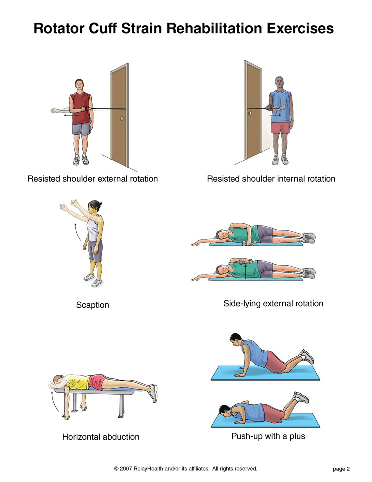
Nutrition and Recovery Tips for Shoulder Health
Proper nutrition and recovery play an important role in supporting tendon and muscle health, which is essential for preventing and recovering from shoulder impingement. Alongside exercises and posture correction, the right diet and recovery strategies can speed healing and reduce the risk of future injuries.
Nutrition Tips for Shoulder Health
- Eat Anti-Inflammatory Foods
Foods rich in antioxidants help reduce inflammation and support tendon healing. Examples include:- Berries (blueberries, strawberries)
- Leafy greens (spinach, kale)
- Fatty fish (salmon, mackerel)
- Nuts and seeds (almonds, chia seeds)
Tip: Avoid excessive processed foods, sugar, and fried foods, which can increase inflammation.
- Get Enough Protein
Protein helps repair muscles and tendons damaged by overuse or injury. Include:- Lean meats (chicken, turkey)
- Fish
- Eggs
- Beans and legumes
- Dairy products
- Support Collagen Production
Collagen is a key protein for healthy tendons. Boost collagen naturally with:- Bone broth
- Vitamin C-rich foods (oranges, bell peppers)
- Gelatin
- Stay Hydrated
Tendons and muscles need water to function properly. Drinking enough water helps maintain elasticity and reduce stiffness. - Include Omega-3 Fatty Acids
Omega-3s can reduce inflammation in joints and tendons. Sources include:- Salmon, sardines, mackerel
- Flaxseeds and chia seeds
- Walnuts
Recovery Tips for Shoulder Health
- Rest and Avoid Overuse
Give your shoulder time to recover, especially after intense exercise or long periods of repetitive motion. - Incorporate Active Recovery
Gentle movements, like pendulum swings or light stretching, can improve blood flow without stressing the shoulder. - Use Ice and Heat Therapy
- Ice: Reduces swelling and pain after exercise.
- Heat: Loosens tight muscles before activity.
- Sleep Well
Quality sleep supports tissue repair and reduces inflammation. Aim for 7–9 hours per night. - Practice Consistent Posture Awareness
Maintaining proper posture during daily activities prevents added stress on shoulder tendons. - Consider Physical Therapy
A professional therapist can create a personalized plan for exercises, manual therapy, and recovery strategies tailored to your shoulder health.
Real-Life Example
Michael, a 45-year-old recreational tennis player, combined anti-inflammatory foods, protein-rich meals, and proper recovery techniques with his shoulder exercise routine. Within two months, he noticed less pain, improved mobility, and faster recovery after matches.
Key Takeaways
- Nutrition and recovery are essential companions to exercises for shoulder impingement.
- Anti-inflammatory foods, protein, collagen support, and hydration promote tendon health.
- Rest, sleep, and active recovery help prevent further injury and improve overall shoulder function.
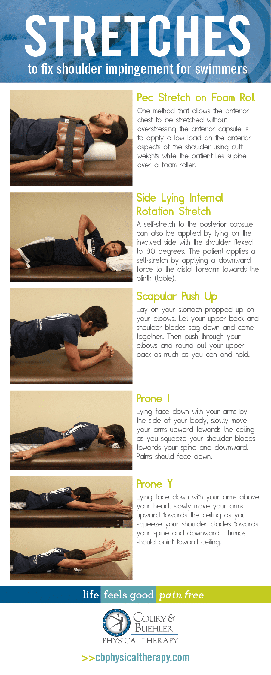
Effective Shoulder Impingement Exercises
- Pendulum Swings
Purpose: Relieves pain and improves shoulder mobility.
How to Perform:
- Stand beside a table or chair and support your non-injured arm on it.
- Let your injured arm hang down freely.
- Gently swing your arm in small circles, gradually increasing the size.
- Perform for 30 seconds in each direction.
- Scapular Squeeze
Purpose: Strengthens the muscles around the shoulder blade.
How to Perform:
- Stand or sit with your back straight.
- Squeeze your shoulder blades together as if trying to pinch a pencil between them.
- Hold for 5 seconds, then relax.
- Repeat 10 times.
- Wall Angels
Purpose: Improves shoulder mobility and posture.
How to Perform:
- Stand with your back against a wall, feet a few inches away.
- Press your lower back, upper back, and head against the wall.
- Raise your arms to form a “W” shape with elbows bent.
- Slowly slide your arms upward to form a “Y,” keeping contact with the wall.
- Lower back to the “W” position.
- Repeat 10 times.
- Resistance Band External Rotation
Purpose: Strengthens the rotator cuff muscles.
How to Perform:
- Attach a resistance band to a doorknob or other stable object at elbow height.
- Stand with your side to the band, holding it with the hand opposite to the band.
- Keep your elbow bent at 90 degrees and tucked against your side.
- Rotate your forearm outward, away from your body.
- Slowly return to the starting position.
- Perform 3 sets of 10-15 repetitions.
- Doorway Stretch
Purpose: Stretches the chest and front shoulder muscles.
How to Perform:
- Stand in a doorway with your arms on the door frame at shoulder height.
- Step forward with one foot, gently pressing your chest forward.
- Hold the stretch for 20-30 seconds.
- Repeat 3 times.
Sample Shoulder Impingement Exercise Program
| Exercise | Sets | Repetitions | Frequency |
|---|
| Pendulum Swings | 1 | 30 seconds | Daily |
| Scapular Squeeze | 3 | 10 | Daily |
| Wall Angels | 3 | 10 | 3-4 times/week |
| Resistance Band External Rotation | 3 | 10-15 | 3-4 times/week |
| Doorway Stretch | 3 | 20-30 seconds | Daily |
Note: Always consult with a healthcare professional before starting any new exercise program.
Real-Life Example: Sarah’s Recovery Journey
Sarah, a 32-year-old office worker, developed shoulder impingement after months of poor posture and long hours at her desk. She experienced pain when reaching for items on high shelves and had difficulty lifting her arm overhead.
After consulting with a physical therapist, Sarah began a tailored exercise program focusing on strengthening her rotator cuff and improving her posture. Within six weeks, she reported a significant reduction in pain and regained full range of motion in her shoulder.
Advantages and Disadvantages of Shoulder Impingement Exercises
Advantages
- Pain Relief: Regular exercises can alleviate discomfort associated with shoulder impingement.
- Improved Mobility: Stretching and strengthening exercises enhance the range of motion.
- Prevention: Strengthening the shoulder muscles can prevent future injuries.
Disadvantages
- Initial Discomfort: Some exercises may cause mild discomfort, especially in the beginning.
- Consistency Required: Regular practice is essential for optimal results.
- Not a Quick Fix: Recovery takes time and patience.
Expert Advice
Dr. John Smith, a renowned orthopedic specialist, emphasizes the importance of early intervention in treating shoulder impingement. “Starting a structured exercise program at the first sign of shoulder pain can prevent the condition from worsening and reduce the need for surgical intervention,” he advises.
Visual Charts and Tables
Example:
| Exercise | Target Muscle | Sets | Reps | Frequency |
|---|---|---|---|---|
| Pendulum Swings | Rotator cuff | 1 | 30 sec | Daily |
| Scapular Squeeze | Upper back | 3 | 10 | Daily |
| Wall Angels | Shoulder mobility | 3 | 10 | 3-4x/week |
| Resistance Band External Rotation | Rotator cuff | 3 | 10-15 | 3-4x/week |
| Doorway Stretch | Chest & front shoulder | 3 | 20-30 sec | Daily |
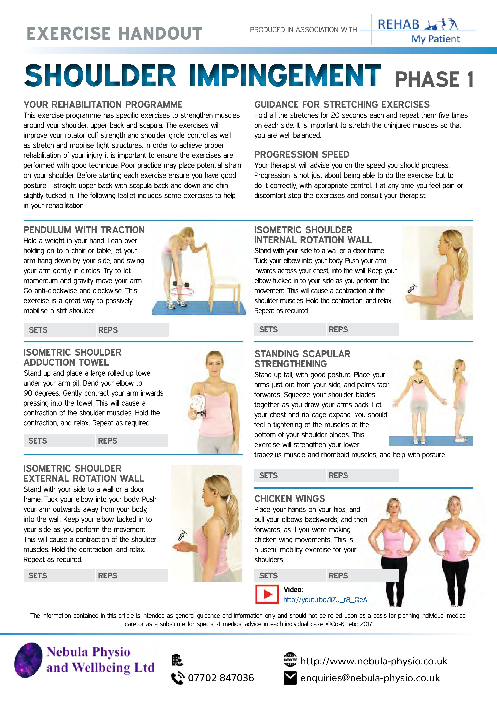
FAQs About Shoulder Impingement Exercises
Q1: What is shoulder impingement?
A1: Shoulder impingement occurs when the rotator cuff tendons are pinched between the shoulder bones, causing pain and limited mobility.
Q2: Can shoulder impingement heal without surgery?
A2: Yes, most cases improve with exercises, posture correction, and proper recovery techniques. Surgery is rarely needed.
Q3: How long does it take to recover from shoulder impingement?
A3: Recovery varies, but many individuals notice improvement within 4–6 weeks with consistent exercise and care.
Q4: Can I do shoulder exercises at home?
A4: Yes, most exercises like pendulum swings, scapular squeezes, and resistance band rotations can be done safely at home.
Q5: How often should I perform shoulder impingement exercises?
A5: Basic exercises can be done daily, while advanced strengthening exercises are recommended 3–4 times per week.
Q6: Should I avoid certain activities during recovery?
A6: Avoid overhead lifting, heavy pushing, or repetitive arm movements until your shoulder regains strength and mobility.
Q7: Can shoulder impingement recur?
A7: Yes, without proper posture, exercises, and muscle strengthening, shoulder impingement can return.
Q8: Is pain during exercises normal?
A8: Mild discomfort is normal, but sharp or worsening pain is a warning sign. Stop the exercise and consult a healthcare professional.
Q9: What is the difference between shoulder impingement and rotator cuff tear?
A9: Impingement is tendon compression causing pain, while a rotator cuff tear is actual damage to the tendon fibers, which may require different treatment.
Q10: Can stretching alone fix shoulder impingement?
A10: Stretching helps improve mobility, but strengthening exercises are essential for long-term recovery.
Q11: Can athletes prevent shoulder impingement?
A11: Yes, through proper warm-ups, rotator cuff strengthening, scapular stability exercises, and balanced training routines.
Q12: Are there exercises I should avoid?
A12: Avoid exercises that cause sharp pain or excessive overhead movements without proper progression.
Q13: Does posture affect shoulder impingement?
A13: Yes, rounded shoulders and forward head posture can reduce space for tendons, increasing the risk of impingement.
Q14: Can physical therapy help with shoulder impingement?
A14: Yes, physical therapists provide personalized exercise programs, manual therapy, and recovery strategies.
Q15: Are resistance bands effective for shoulder strengthening?
A15: Yes, resistance bands provide controlled tension for safe rotator cuff and scapular strengthening.
Q16: Can I play sports with shoulder impingement?
A16: You may need to limit certain movements and follow a structured recovery program to prevent worsening.
Q17: How does nutrition affect tendon health?
A17: Anti-inflammatory foods, protein, collagen-rich foods, and hydration support tendon repair and overall shoulder health.
Q18: Can DIY techniques help reduce pain?
A18: Yes, ice, heat, foam rolling, posture awareness, and gentle stretching complement exercises for faster relief.
Q19: When should I consider surgery?
A19: Surgery is considered if pain persists after 3–6 months of conservative care, or if there is severe tendon damage or loss of motion.
Q20: Is it safe to combine shoulder exercises with daily activities?
A20: Yes, but avoid overuse and listen to your body. Gradually increase activity intensity.
Q21: How do I know if I’m doing exercises correctly?
A21: Focus on slow, controlled movements, proper posture, and minimal pain. A physical therapist can provide guidance.
Q22: Can shoulder impingement affect sleep?
A22: Yes, inflammation and discomfort can make certain sleeping positions painful. Using supportive pillows may help.
Q23: Can posture corrections alone prevent shoulder impingement?
A23: Posture helps, but combining it with strengthening and mobility exercises provides the best prevention.
Conclusion
Shoulder impingement can significantly impact daily life, but with the right exercises, posture awareness, nutrition, and recovery strategies, pain relief and improved mobility are achievable. From basic exercises like pendulum swings to advanced strengthening routines, consistent practice is key. Incorporating DIY pain relief techniques, maintaining proper posture, and focusing on tendon-friendly nutrition all contribute to long-term shoulder health.
Remember, surgery is rarely needed if you commit to conservative treatments, but consulting a healthcare professional is essential for a tailored plan. By following this guide, you can reduce pain, strengthen your shoulders, and prevent future impingement.
For further reading and authoritative resources on shoulder impingement:
- Cleveland Clinic: Shoulder Impingement
- Mayo Clinic: Shoulder Pain
- Harvard Health: Preventing Shoulder Injuries
- American Academy of Orthopaedic Surgeons: Shoulder Impingement