
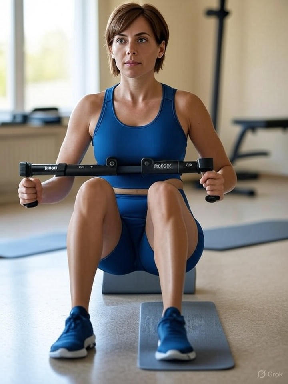
Kegel Weight Training: Pelvic floor health is one of the most overlooked areas of fitness, yet it plays a vital role in our daily lives. The pelvic floor is a group of small but powerful muscles located at the base of the pelvis. These muscles are responsible for supporting the bladder, uterus, prostate, and bowel while also contributing to core stability and sexual function.
In recent years, kegel weight training has become a popular method for strengthening these muscles. Unlike traditional kegel exercises that only use muscle contractions, weighted kegel training incorporates resistance—similar to how dumbbells strengthen arm muscles. With the use of small weights, cones, or smart devices, this practice provides faster and more noticeable results.
This type of training has gained popularity not only among women looking to recover after pregnancy but also among men who want to improve bladder control and sexual health after prostate surgery. Athletes, fitness enthusiasts, and older adults are also turning to kegel weights to enhance their quality of life.
In this comprehensive guide, we will cover everything you need to know about kegel weight training, including benefits, a step-by-step beginner’s guide, tools and devices, common mistakes, case studies, expert advice, and FAQs. By the end, you’ll have the knowledge and confidence to begin your own pelvic floor strengthening journey.
What is Kegel Weight Training?
Kegel weight training is a targeted method of strengthening the pelvic floor muscles using resistance tools such as weighted cones, balls, or smart kegel trainers. Much like lifting dumbbells or using resistance bands for other muscles, adding weight challenges the pelvic floor and encourages muscle growth, endurance, and control.
Regular kegels involve squeezing and relaxing the pelvic floor muscles, usually without any equipment. While effective for beginners, bodyweight kegels can plateau over time. Weighted kegel training provides progressive resistance, helping users gain strength more quickly and maintain long-term results.
The tools vary:
- Vaginal cones or balls (common for women) are inserted and held in place by contracting the pelvic muscles.
- Biofeedback devices measure strength and track progress.
- Smart kegel trainers connect to apps for guided sessions and real-time feedback.
- Men’s resistance tools target pelvic muscles after prostate surgery or to improve sexual health.
According to the Cleveland Clinic and Mayo Clinic, pelvic floor strengthening with or without weights can improve bladder control, enhance sexual satisfaction, and support overall pelvic health. Weighted training simply accelerates the process by providing measurable resistance.
Why Kegel Weight Training is Important
The pelvic floor acts as the foundation of the body’s core, supporting vital organs such as the bladder, uterus, prostate, and bowel. Strong pelvic muscles provide stability, improve posture, and prevent conditions like incontinence or prolapse. However, these muscles can weaken over time due to several factors:
- Pregnancy and childbirth – Stretching during labor weakens pelvic muscles.
- Aging – Muscle fibers naturally lose elasticity and tone.
- Surgery – Prostate removal in men or hysterectomies in women often impact pelvic strength.
- Obesity or heavy lifting – Extra pressure weakens the pelvic floor.
- Hormonal changes – Menopause can lead to thinning of pelvic tissues.
Weak pelvic floor muscles often lead to bladder leaks, reduced sexual satisfaction, and lower confidence in daily activities. Something as simple as sneezing or jumping can cause discomfort and embarrassment. For men, it can also mean poor erection quality or post-surgical complications.
Kegel weight training provides a non-invasive, drug-free, and cost-effective solution. Instead of relying on surgery or medications, individuals can gradually strengthen these muscles in the same way they would train their arms, legs, or abs. With consistent practice, many people report noticeable improvements in bladder control, confidence, and intimacy.
By incorporating weights, users experience quicker progress, making kegel weight training an important and practical solution for both prevention and recovery.
Benefits of Kegel Weight Training
🟢 Bladder Control
One of the most well-known benefits of kegel weights is improved bladder control. Urinary incontinence—whether stress-induced (leaks during exercise or coughing) or urge-related—can significantly affect quality of life. Strengthening the pelvic floor helps keep the bladder in place and reduces leakage.
🟢 Postpartum Recovery
After childbirth, many women experience pelvic floor weakness due to stretching of muscles and tissues. Kegel weight training speeds up recovery by gradually restoring strength. With consistent training, new mothers often see improvements in bladder control and confidence within weeks.
🟢 Improved Sexual Health
A stronger pelvic floor increases blood flow and sensitivity, leading to enhanced arousal, stronger orgasms, and better intimacy. For men, improved pelvic strength supports firmer erections and greater stamina. For women, it can increase vaginal tightness and pleasure.
🟢 Confidence in Fitness & Core Stability
Athletes and fitness enthusiasts benefit from pelvic floor strength since it improves posture, balance, and core stability. A strong pelvic foundation also reduces risks of back pain and injuries during heavy lifting or sports.
🟢 Men’s Prostate & Erectile Function
Men who undergo prostate surgery often struggle with incontinence and erectile dysfunction. Kegel weight training helps restore muscle control, leading to better bladder management and stronger erections. Research shows men who perform pelvic floor exercises recover faster post-surgery.
🟢 Emotional Benefits (Confidence, Freedom)
Beyond physical improvements, kegel weight training boosts confidence and emotional well-being. No more worrying about leaks, intimacy struggles, or discomfort during workouts. People regain freedom in daily life, leading to reduced stress and improved relationships.
Step-by-Step Guide to Kegel Weight Training
Starting kegel weight training may feel intimidating, but with the right steps, it becomes simple and effective.
- Choose the right weight – Start with the lightest weight available (usually 20–30 grams). Many kits include multiple sizes for progression.
- Find your pelvic floor muscles – Try stopping urine midstream. The muscles you use are your pelvic floor. (Do not practice midstream regularly—it’s just a test).
- Prepare and insert the weight (for women) – Wash the device, apply water-based lubricant, and insert gently. Men should use devices specifically designed for male pelvic floor training.
- Contract your muscles – Squeeze to hold the weight in place. Begin with 5–10 second contractions.
- Relax and repeat – Perform 10–15 reps per session, twice daily.
- Breathe properly – Avoid holding your breath. Inhale during relaxation, exhale while contracting.
- Progress gradually – As muscles strengthen, move to heavier weights or increase hold time.
- Stay consistent – Consistency is key. Even short daily sessions (10–15 minutes) bring results.
👉 Safety note: Always consult your doctor before beginning, especially if you have prolapse, pelvic pain, or are recovering from surgery.
Kegel Weight Training for Women
For women, kegel weight training offers numerous benefits, especially during pregnancy, postpartum recovery, and menopause. Weighted cones or balls help retrain the pelvic floor after childbirth, reducing bladder leaks and enhancing confidence during intimacy.
Women often use vaginal cones or kegel balls that come in different weights. Training begins with the lightest and progresses gradually. These tools mimic strength training for the pelvic floor, ensuring steady progress without overexertion.
Women facing prolapse or pelvic discomfort should consult a physiotherapist before starting. For those cleared by their doctor, weights can be an empowering tool to regain body confidence and sexual satisfaction.
Kegel Weight Training for Men
Men benefit from kegel weight training too, particularly those recovering from prostate surgery. Strengthening the pelvic floor improves bladder control and helps restore erectile function.
While vaginal cones are designed for women, men can use specialized resistance devices or biofeedback tools. These allow men to practice controlled contractions while receiving real-time performance feedback.
In addition to medical recovery, athletes use kegel training to improve stamina and reduce lower back pain. For men, pelvic floor strength contributes to firmer erections, delayed ejaculation, and improved confidence in both health and intimacy.
Kegel Exercises vs. Kegel Weight Training
| Feature | Regular Kegels | Weighted Kegels |
|---|---|---|
| Resistance | None – performed with muscle contractions only | Uses weights (cones, balls, or devices) for resistance |
| Difficulty Level | Easy for beginners | Moderate – requires practice and progression |
| Effectiveness | Good for maintaining strength | Faster results and greater muscle growth |
| Best For | Beginners, prevention, general pelvic health | Intermediate users, postpartum recovery, men’s rehab, advanced strengthening |
| Tools Required | None | Vaginal cones, kegel balls, biofeedback, smart trainers |
| Progress Tracking | Harder to measure | Easier to track with weights or smart devices |
| Results Timeline | Slower – usually 8–12 weeks | Faster – often noticeable in 4–8 weeks |
Case Studies & Real-Life Examples
- Sarah, 35 (Postpartum Mom): After giving birth to her second child, Sarah struggled with leaks during exercise. By using kegel weights daily for just 10 minutes, she regained control within two months.
- John, 58 (Post-Prostate Surgery): Following prostate removal, John experienced incontinence. With guided kegel weight training, he regained bladder control in under 12 weeks and reported stronger erections.
- Linda, 60 (Menopause): Linda noticed changes in intimacy and bladder control after menopause. Kegel weights helped restore her confidence and improve satisfaction.
Study Reference: A 2018 study in the Journal of Women’s Health found that 80% of postpartum women using vaginal weights reported improved pelvic strength after 12 weeks, and 65% noted better sexual satisfaction.
Common Mistakes to Avoid
- Starting too heavy – Begin with the lightest weight.
- Not cleaning devices – Always wash with mild soap and water.
- Holding breath – Correct breathing is essential.
- Overtraining – Limit to 10–15 minutes, twice daily.
- Using wrong muscles – Avoid clenching buttocks or abs; focus only on pelvic floor.
Tools & Devices for Kegel Weight Training
- Vaginal cones & balls – Most common for women.
- Biofeedback trainers – Provide progress tracking.
- Smart Kegel devices – App-connected for guided sessions.
- Men’s resistance devices – Designed specifically for male anatomy.
Prices range from $20 for simple cones to $150+ for smart trainers.
Pros & Cons
Pros:
- Improves bladder control.
- Enhances intimacy.
- Speeds postpartum recovery.
- Boosts confidence.
Cons:
- Risk of infection if not cleaned.
- Not suitable for prolapse.
- Requires daily consistency.
Nutrition & Lifestyle for Pelvic Floor Health
- Eat fiber-rich foods to prevent constipation.
- Stay hydrated for bladder health.
- Add magnesium-rich foods (nuts, leafy greens).
- Limit caffeine & alcohol, which irritate the bladder.
- Practice yoga and Pilates to complement kegel training.
🥗 Nutritional Chart for Pelvic Floor Health
| Nutrient | Best Food Sources | Benefits for Pelvic Floor & Bladder |
|---|---|---|
| Protein | Lean chicken, fish, eggs, Greek yogurt, lentils | Supports muscle repair and strengthening after kegel workouts |
| Magnesium | Spinach, pumpkin seeds, almonds, avocados | Relaxes pelvic muscles, reduces cramping, supports nerve function |
| Calcium | Milk, cheese, fortified plant milks, leafy greens | Strengthens muscles and supports bone density for core stability |
| Vitamin D | Salmon, egg yolks, fortified cereals, sunlight | Improves muscle performance and calcium absorption |
| Zinc | Oysters, pumpkin seeds, beans, turkey | Supports tissue repair, prostate health in men, and immunity |
| Omega-3 Fatty Acids | Salmon, chia seeds, flaxseeds, walnuts | Improves blood flow and reduces inflammation in pelvic tissues |
| Fiber | Oats, beans, apples, whole grains, broccoli | Prevents constipation, which reduces strain on pelvic floor |
| Hydration | Water, coconut water, herbal teas | Keeps bladder healthy and prevents irritation from dehydration |
| Vitamin C | Citrus fruits, strawberries, bell peppers | Strengthens connective tissues and supports healing |
| Iron | Red meat, lentils, tofu, spinach | Maintains energy levels and supports oxygen supply to muscles |
Expert Advice
According to Dr. Emily Howard, pelvic physiotherapist:
“Kegel weights are like dumbbells for your pelvic floor. Always start light, practice proper breathing, and progress gradually. For best results, combine with core exercises and healthy nutrition.”
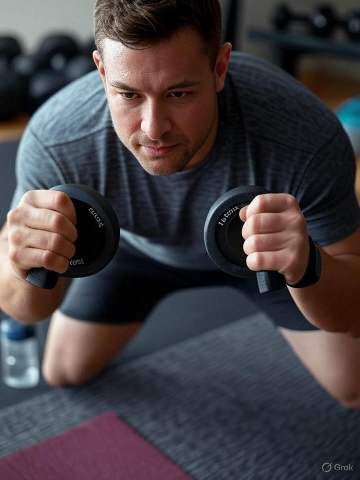
FAQs about Kegel Weight Training
- How long until results show? Most see results in 4–8 weeks.
- Are kegel weights safe? Yes, when cleaned and used properly.
- Can men use them? Yes, with male-specific devices.
- Best weights for beginners? Start with light cones or smart trainers.
- Do they help with prolapse? Mild cases may benefit, but consult a doctor.
- Safe during pregnancy? Not recommended without medical approval.
- Can they improve intimacy? Yes, stronger muscles enhance sexual health.
- How often should I train? 10–15 minutes, 2x daily.
- Are smart devices better? They provide tracking and motivation.
- What if I feel pain? Stop immediately and consult a doctor.
Conclusion
Kegel weight training is a powerful yet simple way to strengthen your pelvic floor muscles. Whether you want to stop bladder leaks, speed up postpartum recovery, or improve intimacy, weighted kegels provide faster and more effective results than traditional exercises.
With the right tools, proper technique, and consistent practice, both men and women can benefit from stronger pelvic health. Just like lifting weights in the gym builds visible strength, kegel weights help build invisible but essential muscles that improve daily life and confidence.
For more trusted resources, visit the Mayo Clinic and Healthline guides on pelvic floor health.
External Links (Authority & Medical Resources)
Use these as references:
- Mayo Clinic – Kegel exercises: A how-to guide
👉 https://www.mayoclinic.org/healthy-lifestyle/womens-health/in-depth/kegel-exercises/art-20045283 - Cleveland Clinic – Pelvic Floor Therapy & Exercises
👉 https://my.clevelandclinic.org/health/treatments/21821-pelvic-floor-therapy - NIH – Pelvic Floor Muscle Training for Incontinence
👉 https://www.ncbi.nlm.nih.gov/pmc/articles/PMC6688267/ - Healthline – Kegel Exercises Benefits and Tips
👉 https://www.healthline.com/health/kegel-exercises - Journal of Women’s Health – Postpartum Pelvic Floor Training Study
👉 https://www.liebertpub.com/doi/10.1089/jwh.2018.7147
🔗 Internal Links
Here’s how you can connect this post with your other blog posts (based on your memory notes):
- Meal Prep Ideas → Link in “Nutrition & Lifestyle for Pelvic Floor Health” section
👉 Example anchor: “Pair your pelvic training with a balanced diet. Check out these meal prep ideas for fitness and recovery.” - Is Flat Iron Steak Good for Weight Loss? → Link in Nutrition section under Protein
👉 Anchor: “If you’re looking for high-protein meals to support muscle strength, read our guide on flat iron steak for weight loss.” - Meal Train Ideas → Link in Case Studies or Lifestyle
👉 Anchor: “Postpartum recovery can be easier when supported by family and community. Learn about meal train ideas to help new moms focus on healing.” - Baby Farm Animals (if targeting postpartum moms, add a soft cross-link)
👉 Anchor: “Motherhood brings new challenges and joys—discover our fun guide to baby farm animals for a light read.” - Reverse Kegel Workout → Perfect for “Common Mistakes” section
👉 Anchor: “Some people also benefit from reverse kegels. Learn the difference in our guide to reverse kegel workouts.”