

Exercises with clothes are one of the easiest, cheapest, and most fun ways to stay fit. You don’t need expensive gym equipment. Using everyday clothing—like a T-shirt, jacket, towel, or scarf—you can stretch, strengthen, and burn calories anywhere: at home, in a hotel, or while traveling.
This guide explains how to do exercises with clothes, their benefits, expert advice, real-life examples, case studies, and even printable workout charts. By the end, you’ll see that fitness can be simple, fun, and accessible for all ages.
What Are Exercises with Clothes?
Exercises with clothes involve using everyday clothing as workout tools. Instead of dumbbells, bands, or machines, you use the resistance, grip, and stretch from your clothes.
Examples:
- A rolled-up T-shirt acts like a resistance band.
- A jacket can help stretch shoulders.
- A towel can assist with leg and arm exercises.
This approach turns simple clothing into functional fitness tools.
Why Choose Exercises with Clothes?
There are many reasons to try exercises with clothes:
- No equipment needed: Workout anywhere without buying fitness gear.
- Portable: Perfect for home, parks, or hotels.
- Beginner-friendly: Ideal for those shy about gyms.
- Travel-friendly: No heavy weights to carry.
- Safe: Suitable for kids, seniors, or people recovering from injuries (with doctor approval).
Advantages of Exercises with Clothes
- Affordable: No extra cost; use clothes you already own.
- Portable: Take your workouts anywhere.
- Creative: Fun variations to stay motivated.
- Beginner-Friendly: Safe and easy to learn.
- Time-Saving: Workouts can be done in just 15 minutes.
Disadvantages of Exercises with Clothes
- Resistance may be less than gym bands or dumbbells.
- Harder to measure progress.
- Some exercises may feel awkward initially.
- Risk of tearing clothes if not durable.
The Science Behind Exercises with Clothes
How Resistance Works with Clothes
Pulling, twisting, or stretching clothes creates external resistance, which challenges muscles. This tension works similar to resistance bands or weights.
Examples:
- Pulling a shirt outward works arms, shoulders, and back.
- Pushing against a towel around your legs activates quads, hamstrings, and glutes.
- Using a towel for stretches improves flexibility.
Even simple clothing creates muscle tension, which builds strength and endurance.
Body Mechanics in Clothes-Based Workouts
Exercises with clothes engage the entire body:
- Muscles: Contract against cloth resistance.
- Joints: Stabilize and support motion.
- Nervous System: Enhances coordination and mind-muscle connection.
- Core Stability: Clothes shift unpredictably, engaging abs and lower back.
This makes clothes-based workouts highly effective for functional fitness.
What Science Says About Resistance Training
Research proves even light resistance improves strength, flexibility, and overall health:
- Resistance training boosts muscle strength and endurance (PubMed)
- Tension on muscles, not heavy weights, drives growth and fat loss
Takeaway: Your body responds to tension, whether from a dumbbell, band, or rolled-up T-shirt. Consistency matters more than equipment.
Exercises with Clothes for Different Age Groups
Exercises with Clothes for Kids: Fun and Playful Fitness
Kids love games, so clothing makes workouts enjoyable.
Examples:
- Scarf Jumps: Use a long scarf as a jump rope (20–30 light jumps).
- Towel Stretches: Pull a towel overhead and side-to-side to improve flexibility.
- Shirt Tug-of-War: Two kids pull a T-shirt gently to build teamwork and strength.
✅ Bonus: Perfect for indoor activity on rainy or cold days.
Exercises with Clothes for Adults: Strength and Flexibility
Adults need strength, endurance, and flexibility. Clothes can provide enough resistance while being gentle on joints.
Examples:
- Jacket Bicep Curls: Step on a jacket, pull ends upward for arm strength.
- Towel Leg Resistance: Wrap a towel around your foot and push forward. Builds leg power and core strength.
- Shirt Shoulder Pulls: Hold a shirt behind your back and pull to stretch chest and shoulders.
Pro Tip: Combine clothes exercises with bodyweight moves like push-ups or squats for a full workout.
Exercises with Clothes for Seniors: Gentle Joint Mobility
Seniors need slow, safe movements that improve balance and flexibility.
Examples:
- Seated Towel Stretch: Stretch side-to-side while sitting.
- Scarf Leg Lifts: Lift one leg using a scarf for balance.
- Overhead Cloth Stretch: Move arms back and forth while holding a cloth.
Safety Tip: Always use sturdy chairs and avoid slippery fabrics.
Clothing Material Matters: Cotton vs Polyester vs Denim
Cotton: Safe and Flexible
- Pros: Soft, easy to grip, durable for light exercises.
- Cons: Absorbs sweat, may lose shape, can tear under high tension.
Best Use: Shoulder stretches, hamstring stretches, gentle pulls.
Polyester: Strong and Sweat-Resistant
- Pros: Durable, sweat-resistant, more resistance than cotton.
- Cons: Slippery, less soft, less eco-friendly.
Best Use: Jacket curls, towel runs, plank pulls.
Denim: Sturdy but Less Flexible
- Pros: Very durable, strong resistance.
- Cons: Stiff, uncomfortable for long workouts, unsafe for kids/seniors.
Best Use: Advanced resistance pulls or tug-of-war exercises.
Comparison Chart: Cotton vs Polyester vs Denim
| Fabric | Strength | Flexibility | Comfort | Best For | Risk Level |
|---|---|---|---|---|---|
| Cotton | Medium | High | High | Stretching, kids, seniors | Low |
| Polyester | High | Medium | Medium | Cardio, adults, core moves | Medium |
| Denim | Very High | Low | Low | Strong resistance, advanced | High |
👉 Takeaway: If you are new, start with cotton. For more strength, use polyester sportswear. Only advanced users should try denim for high resistance.
Beginner vs Advanced Exercises with Clothes
Beginner Exercises: Gentle and Easy
- Shoulder Stretch with T-Shirt – Loosens shoulders, improves posture.
- Towel Hamstring Stretch – Enhances leg and lower back flexibility.
Advanced Exercises: Strength and Endurance
- Towel Mountain Climbers – Builds core strength and burns calories.
- Resistance Twists with Shirt/Jacket – Strengthens obliques and rotational power.
Key Differences Between Beginner and Advanced Workouts
| Level | Example Exercises | Focus Area | Intensity | Best For |
|---|---|---|---|---|
| Beginner | Shoulder Stretch, Towel Hamstring Stretch | Flexibility & Mobility | Low | Kids, seniors, beginners |
| Advanced | Towel Mountain Climbers, Resistance Twists | Strength & Cardio | High | Active adults, athletes, weight loss goals |
Pro Tip: Begin with beginners’ moves for 1–2 weeks, then add advanced exercises gradually.
Full-Body 20-Minute Workout Plan Using Clothes
- Warm-up: 3 minutes of light stretches
- Workout: Follow exercises in order
- Rest: 30–45 seconds between sets
- Cool-down: 2 minutes
20-Minute Clothes Workout Plan
| Exercise | Body Part | Sets | Reps/Time | Clothes Needed | Notes |
|---|---|---|---|---|---|
| Shoulder Stretch with T-Shirt | Shoulders & Upper Back | 2 | 12 | T-shirt | Pull gently, keep arms straight |
| Towel Hamstring Stretch | Legs & Lower Back | 2 | 15 sec hold (each leg) | Towel | Don’t overstretch |
| Jacket Bicep Curls | Arms | 3 | 12 | Jacket | Step on jacket for resistance |
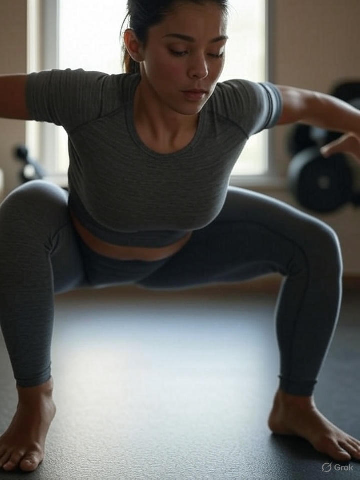
| Squat with Cloth Resistance | Legs & Glutes | 3 | 15 | Cloth/T-shirt | Keep knees out |
| Plank Cloth Pull | Core | 2 | 12 | Shirt | Slide shirt forward/back |
| Resistance Twists | Abs & Obliques | 2 | 20 | Jacket/Shirt | Twist slowly for control |
| Towel Mountain Climbers | Cardio + Core | 3 | 30 sec | Towel | Keep hips low |
| Scarf Jumps | Cardio | 2 | 1 min | Scarf | Light jumps, steady rhythm |
Total Time: ~20 Minutes
Why This Plan Works
-
Strength: Jacket curls, squats, and twists build muscle.
-
Flexibility: Shoulder and hamstring stretches improve mobility.
-
Core Power: Planks and twists train stability.
-
Cardio: Mountain climbers and scarf jumps burn calories fast.
👉 If you follow this plan 3–4 times per week, you’ll notice better energy, stronger muscles, and improved flexibility in just a few weeks.
Exercises with Clothes for Travelers
Hotel Room Workouts
- Jacket Bicep Curls: 3 sets of 12
- Towel Squats: 3 sets of 15
- Shirt Shoulder Stretch: 12 reps
Small-Space Cardio
- Scarf Jumps: 1–2 minutes
- Towel Runs: 30–60 seconds
- Shirt Skater Jumps: 20–30 reps
Airport Lounge Mobility Stretches
- Towel Neck Stretch
- Scarf Shoulder Rolls
- Shirt Hamstring Stretch
Pro Tip: These exercises prevent stiffness, improve circulation, and keep you active while traveling.
Mental Health Benefits of Clothes-Based Workouts
- Stress Relief: Simple stretches and cardio release endorphins (PubMed Study).
- Fun & Playful: Makes fitness enjoyable and keeps motivation high.
- Avoids Gym Anxiety: Private workouts reduce stress and build confidence.
Takeaway: Physical and mental health improve simultaneously with clothes-based exercises.
Cultural History: How People Used Clothes for Fitness
- Martial Arts: Belts and sashes used for resistance training.
- Military Training: Soldiers used belts and scarves for strength, endurance, and mobility.
Takeaway: Clothes-based workouts have historical roots, proving their effectiveness.
Common Mistakes People Make with Exercises Using Clothes
- Pulling too hard → tear fabric or strain muscles
- Using slippery material → lose balance
- Skipping warm-ups → risk injury
- Poor posture → reduces results
- Inconsistent practice → slows progress
Quick Safety Checklist:
Quick Safety Checklist
| Mistake | How to Fix |
|---|---|
| Pulling too hard | Use durable fabric, increase resistance gradually |
| Slippery material | Stick to cotton/polyester, check floor safety |
| Skipping warm-up | 2–3 min light stretches or cardio |
| Poor posture | Focus on form, engage core, move slowly |
| Inconsistent practice | Schedule regular workouts, track progress |
Use proper grip, stop if pain occurs, choose durable fabrics, and maintain form.
Real Success Stories: Exercises with Clothes Transformations
Sarah: College Student
- 8-week routine with T-shirts and scarves → stronger arms, better flexibility, higher energy
John: Business Traveler
- 3-month routine in hotels → lost 8 lbs, increased strength, felt productive
Maria: Senior
- 6-week routine → improved mobility, flexibility, mood, and confidence
Key Lessons: Consistency, age-appropriate moves, short sessions, and combining strength, cardio, flexibility work best.
Expert Opinions: What Trainers Say About Clothes-Based Workouts
- ACE Research: Weighted clothing boosts calorie burn and endurance (ACE Fitness).
- Verywell Fit: Functional clothing enhances workout performance and movement efficiency (Verywell Fit).
Clothes Workouts vs Bodyweight Only Workouts
- Clothes Workouts: Creative, portable, beginner-friendly.
- Bodyweight Workouts: Intense, strength-focused.
Takeaway: Combining both provides variety, consistency, and maximum results.
Printable Workout Charts and Weekly Plans
| Day | Exercise Focus | Exercises | Sets | Reps/Time | Notes |
|---|
| Monday | Upper Body | Shoulder Stretch (T-shirt), Jacket Bicep Curls | 2–3 | 12 reps each | Start with light resistance |
| Tuesday | Lower Body | Towel Squats, Leg Stretch with Towel | 3 | 15 reps | Focus on form, knees out |
| Wednesday | Core | Plank Cloth Pull, Russian Twist with Rolled Shirt | 2–3 | 12–20 reps | Keep core tight |
| Thursday | Cardio | Scarf Jumps, Towel Runs | 2 | 1–2 min each | Maintain steady rhythm |
| Friday | Full Body | Resistance Twists, Towel Mountain Climbers | 3 | 12–15 reps | Combine strength + cardio |
| Saturday | Flexibility & Recovery | Shoulder Stretch, Hamstring Stretch | 2 | 15–20 sec hold | Gentle movements only |
| Sunday | Rest | – | – | – | Optional light walk |
- Track sets, reps, and time
- Color-coded for motivation
- Increases SEO engagement and shareability
Tip: Offer downloadable PDFs for user convenience.
Expert Advice on Exercises with Clothes
- Warm-up first
- Use cotton or durable fabrics
- Mix resistance with bodyweight moves
- Maintain posture and correct form
- Track progress and stay consistent (Healthline)
Types of Exercises with Clothes
Upper Body
- Shoulder Stretch with T-Shirt
- Bicep Curl with Jacket
Lower Body
- Squat with Cloth Resistance
- Leg Stretch with Towel
Core
- Russian Twist with Rolled Shirt
- Plank Cloth Pull
Cardio
- Jump Rope with Scarf
- Towel Run
Step-by-Step Guide: Safe Form
| Exercise | Sets | Reps | Clothes Needed | Tips |
|---|
| Shoulder Stretch | 2 | 12 | T-shirt | Keep back straight |
| Bicep Curl | 3 | 12 | Jacket | Step on cloth firmly |
| Squat with Cloth | 3 | 15 | Cloth band | Knees out, not in |
| Hamstring Stretch | 2 | 10 | Towel | Pull gently |
| Russian Twist | 3 | 20 | Rolled shirt | Keep abs tight |
| Plank Cloth Pull | 2 | 12 | Shirt | Keep hips level |
| Jump Rope | 5 min | – | Scarf | Jump lightly |
| Towel Run | 3 | 1 min | Towel | Move fast |
Example: Sarah, a college student, gained strength and flexibility in 8 weeks using simple clothes exercises.
Chart: Exercises with Clothes vs Gym Equipment
| Feature | Clothes | Gym Equipment |
|---|---|---|
| Cost | Free | Expensive |
| Availability | Always | Limited |
| Portability | Very high | Low |
| Resistance Level | Low to medium | High |
| Beginner-Friendly | Yes | Sometimes intimidating |
| Progress Tracking | Hard | Easy |
FAQs About Exercises with Clothes
FAQs About Exercises with Clothes
- Can I use any type of clothing for exercises?
Yes, but choose durable fabrics like cotton or polyester. Avoid slippery materials like silk or satin for safety.
- Can I use jeans for exercises?
Jeans are very stiff and can restrict movement. They may work for light resistance exercises, but avoid them for stretches or dynamic cardio.
- Can kids do exercises with clothes?
Absolutely! Simple towel stretches, scarf jumps, and shirt curls are safe and fun for children.
- Can seniors do these exercises?
Yes, most exercises are gentle. Seniors should focus on mobility, flexibility, and low-resistance movements, and consult a doctor if needed.
- Do I need shoes for exercises with clothes?
Shoes are optional. Barefoot is fine on a safe surface, but shoes provide stability for standing exercises like squats or towel runs.
- Can I build muscles with exercises using clothes?
Yes, but mostly light muscles, endurance, and toning. Clothes do not replace heavy weights for bodybuilding.
- How often should I do exercises with clothes?
3–4 times per week is ideal. Consistency is more important than long workouts.
- Can I lose weight with these exercises?
Yes, especially if combined with cardio and a healthy diet. Clothes-based workouts help burn calories and improve metabolism.
- Can clothes replace gym equipment?
Not fully. Clothes are excellent for portability, creativity, and beginner workouts, but they provide limited resistance compared to weights or machines.
- What if my clothes tear during a workout?
Use stronger fabrics, double layers, or avoid exercises that strain the material. Safety comes first.
- Can I wash clothes after workouts?
Yes, wash them like normal clothes. Avoid bleach or harsh detergents that damage the fabric.
- How long should a clothes-based workout last?
10–30 minutes is effective for beginners and travelers. Advanced users can extend sessions to 45 minutes.
- Can I do exercises barefoot?
Yes, barefoot is fine on a safe, non-slippery surface. Avoid barefoot on tiles or slippery floors.
- Can I combine clothes workouts with bodyweight exercises?
Absolutely! Combining both can enhance strength, flexibility, and calorie burn.
- Is it safe to do high-intensity exercises with clothes?
Yes, if the fabric is durable and you maintain proper form. Avoid sudden jerks that can cause injury or tearing.
- Can I do these exercises in small spaces?
Yes, many moves like scarf jumps, towel runs, and stretches are designed for small spaces like hotel rooms.
- Can pregnant women do clothes-based workouts?
Some gentle stretches and mobility exercises are safe, but pregnant women should consult their doctor before starting.
- Do I need to warm up before exercises with clothes?
Yes, 2–3 minutes of light stretches or mobility exercises prevents injury and improves performance.
- Can I increase difficulty with clothes-based exercises?
Yes, by adding layers, using thicker fabrics, increasing reps, or combining exercises like towel mountain climbers.
- Are clothes-based workouts suitable for mental health?
Yes! They are playful, stress-relieving, and help avoid gym anxiety while boosting confidence.
- Can I track progress with clothes exercises?
Yes, use a printable chart or notebook to track sets, reps, time, and any improvements in strength or flexibility.
- Can clothes workouts help improve flexibility?
Definitely. Stretching with scarves, towels, and shirts enhances range of motion and prevents stiffness.
Conclusion
Exercises with clothes are fun, free, and flexible. You don’t need a gym to stay fit. Whether at home, traveling, or short on money, your clothes are a practical tool for strength, flexibility, and confidence.
Start small, stay consistent, and watch your health and energy improve.
👉 For more fitness tips, check out WebMD Fitness.
External Linking Suggestions