

Kegel weights are small, weighted devices designed to help women strengthen their pelvic floor muscles. These muscles support the bladder, uterus, and bowels, and keeping them strong is important for health. Using kegel weights can improve bladder control, boost sexual health, and even help recovery after childbirth.
In this article, we will explore everything you need to know about kegel weights—how to use them, their benefits, disadvantages, real-life success stories, expert advice, and much more.
What Are Kegel Weights?
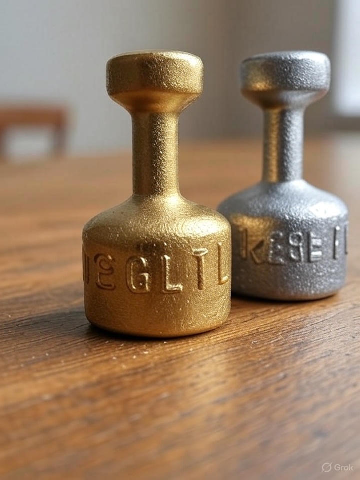
Kegel weights, also called vaginal weights or Ben Wa balls, are small cone-shaped or ball-shaped devices made of medical-grade silicone or metal. They are inserted into the vagina, and the pelvic floor muscles hold them in place. Over time, the weights train the muscles to contract and strengthen, just like lifting dumbbells strengthens your arms.
👉 According to Cleveland Clinic, pelvic floor exercises can reduce urinary incontinence and improve quality of life.
Benefits of Using Kegel Weights
Here are the top advantages of adding kegel weights to your routine:
- Improved Bladder Control – Helps reduce leaks when coughing, sneezing, or laughing.
- Faster Postpartum Recovery – Strengthens muscles stretched during pregnancy and childbirth.
- Enhanced Sexual Health – Stronger pelvic floor muscles can increase sensitivity and orgasms.
- Confidence Boost – Many women report feeling more in control of their bodies.
- Prevent Prolapse – Can lower the risk of pelvic organ prolapse later in life.
👉 A study published in the International Urogynecology Journal found that pelvic floor training with weights can significantly improve urinary incontinence.
Disadvantages and Risks of Kegel Weights
While kegel weights offer many benefits, they may not be suitable for everyone.
- Discomfort: Some women may find them uncomfortable at first.
- Infections: Not cleaning the weights properly can increase the risk of vaginal infections.
- Incorrect Use: Overuse or using weights that are too heavy may cause muscle strain.
- Not Suitable for All Conditions: Women with pelvic pain or prolapse should consult a doctor first.
👉 The American College of Obstetricians and Gynecologists advises consulting a healthcare provider before starting kegel weight exercises if you have medical concerns.
How to Use Kegel Weights Safely
Using kegel weights is simple, but doing it right is important.
- Choose the Right Weight – Start with the lightest weight available.
- Wash Before Use – Always clean with warm water and mild soap.
- Insert the Weight – Gently place the weight into the vagina like a tampon.
- Hold for a Few Minutes – Contract your pelvic muscles to keep it in place.
- Increase Time Gradually – Start with 5 minutes, then increase as your muscles strengthen.
- Practice Regularly – Use them 3–4 times a week for best results.
💡 Expert Advice: Dr. Amanda Olson, a pelvic floor physical therapist, suggests combining weight training with standard kegel exercises for maximum benefit.
Real-Life Example: Sarah’s Postpartum Journey
Sarah, a 32-year-old mother of two, struggled with bladder leaks after childbirth. She started using kegel weights for just 10 minutes daily. After three months, Sarah noticed fewer leaks and more core strength. She felt more confident and even reported improved intimacy with her partner.
This case shows how consistent use of kegel weights can bring real results.
Case Study: Pelvic Floor Strengthening
A clinical trial involving 140 women with mild urinary incontinence tested the effectiveness of kegel weights. Participants used them daily for 12 weeks.
Results:
- 70% reported improved bladder control.
- 50% experienced stronger pelvic muscles.
- 30% noted increased sexual satisfaction.
This study highlights how effective kegel weights can be for women struggling with pelvic floor weakness.
Different Types of Kegel Weights (Silicone, Metal, Smart Devices)
Not all kegel weights are the same. They come in different shapes, materials, and even technology levels. Choosing the right type depends on your comfort, experience, and goals. Here are the most common options:
- Silicone Kegel Weights
- Made from medical-grade silicone, which is soft, flexible, and body-safe.
- Usually shaped like small balls or cones with a retrieval cord.
- Best choice for beginners because they are lightweight and comfortable.
- Easy to clean and available in sets with different weight levels.
👉 Example: Intimate Rose Kegel Exercise Weights, often recommended by pelvic floor specialists.
- Metal Kegel Weights
- Made from stainless steel or other polished metals.
- Smaller but heavier than silicone weights, making them effective for advanced users.
- Provide a stronger challenge for the pelvic floor muscles.
- They can feel cooler to insert, but many women like their durability and sleek design.
👉 Example: Yoni Eggs made from stainless steel or jade, often used in holistic wellness practices.
- Smart Kegel Devices (App-Controlled)
- High-tech option that connects to a smartphone app via Bluetooth.
- Tracks contractions, exercise time, and progress over weeks or months.
- Offers guided training programs, making it like having a personal pelvic floor coach.
- Great for women who like measurable results and motivation through apps.
👉 Example: Elvie Trainer – a popular smart kegel device with real-time feedback.
- Ben Wa Balls / Vaginal Balls
- Small weighted balls (sometimes connected by a string).
- They move slightly inside the vagina, making the muscles contract naturally to hold them in place.
- More discreet but require good muscle control.
- Popular for both exercise and intimacy benefits.
✅ Tip: If you’re a beginner, start with silicone weights. As your strength improves, you can move to metal or Ben Wa balls. If you want to track progress and stay motivated, a smart kegel device may be the best choice.
Who Should Use Kegel Weights?
Kegel weights are not just for new moms—they can benefit women at different stages of life. They are designed for anyone who wants to strengthen their pelvic floor muscles and improve overall pelvic health. Here are the groups who can benefit the most:
- Postpartum Women
- Pregnancy and childbirth stretch and weaken the pelvic floor.
- Kegel weights help speed up recovery, reduce bladder leaks, and restore muscle strength.
- Many women notice improvements in core stability and intimacy after consistent use.
- Women with Urinary Incontinence
- If you leak urine when coughing, sneezing, laughing, or exercising, it may be due to weak pelvic floor muscles.
- Kegel weights train these muscles to contract properly, reducing or even eliminating leaks over time.
- Women Preparing for or Recovering from Menopause
- Hormonal changes during menopause can weaken the pelvic floor and reduce elasticity.
- Using kegel weights helps maintain muscle tone, improve bladder control, and support vaginal health.
- Women Wanting to Improve Sexual Health
- Stronger pelvic muscles increase sensitivity, improve arousal, and can lead to stronger orgasms.
- Many women use kegel weights not only for health but also to boost confidence and intimacy.
- Women with Family History of Pelvic Organ Prolapse
- Prolapse happens when pelvic organs (like the bladder or uterus) slip downward.
- Strengthening the pelvic floor with weights may help prevent or delay prolapse in women at higher risk.
- Athletes and Fitness Enthusiasts
- A strong pelvic floor supports core stability and reduces the risk of leaks during high-impact sports.
- Female runners, weightlifters, and gym-goers often benefit from adding pelvic floor training to their routine.
⚠️ Important Note: Women with pelvic pain, untreated prolapse, or chronic infections should consult a doctor before using kegel weights.
Kegel Weights vs. Traditional Kegel Exercises
Both kegel weights and traditional kegel exercises strengthen the pelvic floor muscles, but they work in slightly different ways. Choosing between them depends on your goals, comfort level, and consistency.
🔹 Traditional Kegel Exercises
- Involves contracting and relaxing the pelvic floor muscles without any equipment.
- Can be done anywhere—sitting, standing, or lying down.
- Recommended for beginners or those who want a simple, no-cost method.
- Requires focus, and many women struggle to know if they are doing them correctly.
👉 Example: Squeezing the same muscles you’d use to stop urine flow, holding for 5 seconds, then releasing.
🔹 Kegel Weights
- Small weighted devices inserted into the vagina, making the muscles work harder to hold them in place.
- Provide resistance training, similar to how dumbbells strengthen arm muscles.
- Often more effective because the weight gives feedback—you can feel if the muscles are working.
- Available in sets with increasing weights for gradual progress.
👉 Example: Using a silicone kegel cone for 10 minutes daily to build strength.
🔹 Key Differences at a Glance
| Feature | Traditional Kegels | Kegel Weights |
|---|---|---|
| Equipment Needed | None | Yes (weights/balls) |
| Difficulty Level | Easy to start, but hard to track progress | Resistance makes it more challenging |
| Feedback | No physical feedback—hard to know if done right | Weight provides immediate feedback |
| Effectiveness | Works if done correctly, but progress may be slow | Often faster and more noticeable results |
| Best For | Beginners, women with mild weakness | Women wanting faster progress or advanced training |
🔹 Which Is Better?
- Beginners: Start with traditional kegels to learn the basics.
- For Faster Results: Add kegel weights once you’re comfortable.
- Best Approach: A combination of both works best—just like mixing bodyweight exercises and weightlifting in the gym.
👉 According to pelvic floor specialists, women who combine both methods often see improvements in bladder control, postpartum recovery, and sexual health within 8–12 weeks.
✅ This comparison not only educates but also encourages readers to see kegel weights as a next-level upgrade, which can increase conversions if you add product links.
Tips for Beginners Using Kegel Weights
Starting with kegel weights can feel a little intimidating, but with the right approach, it becomes simple and effective. Here are some beginner-friendly tips to help you get the best results:
- Start with the Lightest Weight
Most kegel weight sets come with multiple sizes. Begin with the lightest option to avoid strain and slowly progress to heavier ones as your muscles get stronger.
- Use Lubrication for Comfort
A water-based lubricant can make insertion easier and more comfortable, especially for beginners.
- Keep Sessions Short at First
Start with just 5 minutes a day and gradually increase the time to 10–15 minutes as you build strength. Consistency is more important than long sessions.
- Practice Proper Hygiene
Always wash the weights with warm water and mild soap before and after use. This prevents infections and keeps your device safe.
- Find the Right Position
Beginners may find it easier to insert weights while lying down. Once you’re more comfortable, you can use them while standing or walking.
- Combine with Traditional Kegels
Doing a few standard kegel contractions while the weight is inside can boost results and train your muscles more effectively.
- Listen to Your Body
If you feel pain, pressure, or discomfort, stop and try again with a lighter weight or for a shorter time. Using kegel weights should feel like gentle training, not pain.
- Stay Consistent
Aim for 3–4 sessions per week. Like any workout, results come from regular practice over time.
- Track Your Progress
Note improvements such as fewer leaks, stronger contractions, or better control. Some women also use smart devices with apps to track results.
✅ Quick Beginner Routine Example:
- Insert lightest weight
- Hold for 5 minutes while contracting muscles
- Rest and remove
- Repeat 3–4 times weekly
⚠️ Pro Tip: If you’re unsure about your technique, consider visiting a pelvic floor physical therapist for guidance.
Expert Advice on Kegel Weights
- Start Slow: Begin with light weights to avoid strain.
- Consistency is Key: Practice regularly, not just once in a while.
- Combine With Exercise: Yoga and core workouts can boost results.
- See a Specialist: A pelvic floor physical therapist can guide you properly.
👉 For professional resources, check Pelvic Guru, a trusted site for pelvic health.
Chart Table: Pros and Cons of Kegel Weight
| Pros | Cons |
|---|
| Improves bladder control | Can cause discomfort at first |
| Enhances sexual health | Risk of infection if not cleaned |
| Helps postpartum recovery | Not suitable for all conditions |
| Boosts confidence | Requires consistency |
FAQs About Kegel Weights
- Are kegel weights safe?
Yes, they are safe for most women. However, always consult your doctor if you have pelvic pain or medical issues.
- How long should I use kegel weights each day?
Start with 5–10 minutes and increase gradually up to 20 minutes.
- Can I sleep with kegel weights inside?
No. Kegel weights should only be used during short exercises, not overnight.
- Do kegel weights really work?
Yes. Many studies and real-life cases show that they improve pelvic floor strength when used correctly.
- Where can I buy it?
You can find them at pharmacies, online stores like Amazon, or health shops.
Conclusion
Kegel weights are a simple yet powerful way to strengthen your pelvic floor muscles. They can help with bladder control, postpartum recovery, and sexual health. While they may feel strange at first, most women find them effective and life-changing with regular use.
If you’re looking to improve your pelvic health, kegel weights could be the right solution. Just remember—start light, be consistent, and seek professional advice if needed.
👉 For more medical insights, visit Mayo Clinic.