

Lateral raise is one of the most effective shoulder exercises for building wider shoulders, improving upper-body strength, and creating a balanced physique. Whether you are a beginner lifting light dumbbells or an experienced lifter training for muscle growth, the lateral raise deserves a place in your workout routine.
Many people focus heavily on bench presses, push-ups, and arm exercises. However, they often overlook the side deltoids. As a result, their shoulders may appear narrow even if their chest and arms are well developed. Fortunately, the lateral raise directly targets the side of the shoulder and helps create the broad, athletic look many people want.
Furthermore, this exercise is simple to learn, requires minimal equipment, and works well for both men and women. You can perform it at home with resistance bands or in a gym using dumbbells, cables, or machines.
In this complete guide, you’ll learn everything about the lateral raise, including proper form, muscles worked, benefits, common mistakes, advanced variations, workout plans, injury prevention tips, and expert strategies for faster shoulder growth.
What Is a Lateral Raise?
A lateral raise is a shoulder isolation exercise where you lift your arms outward from your sides until they reach shoulder height.
The movement primarily targets the lateral deltoid, also known as the side deltoid. This muscle is responsible for giving the shoulders a wider appearance.
Unlike pressing exercises, which spread the workload across multiple muscles, the lateral raises focuses directly on the side shoulder. Therefore, it is one of the best exercises for improving shoulder width and definition.
You can perform lateral raises using:
- Dumbbells
- Cables
- Resistance bands
- Machines
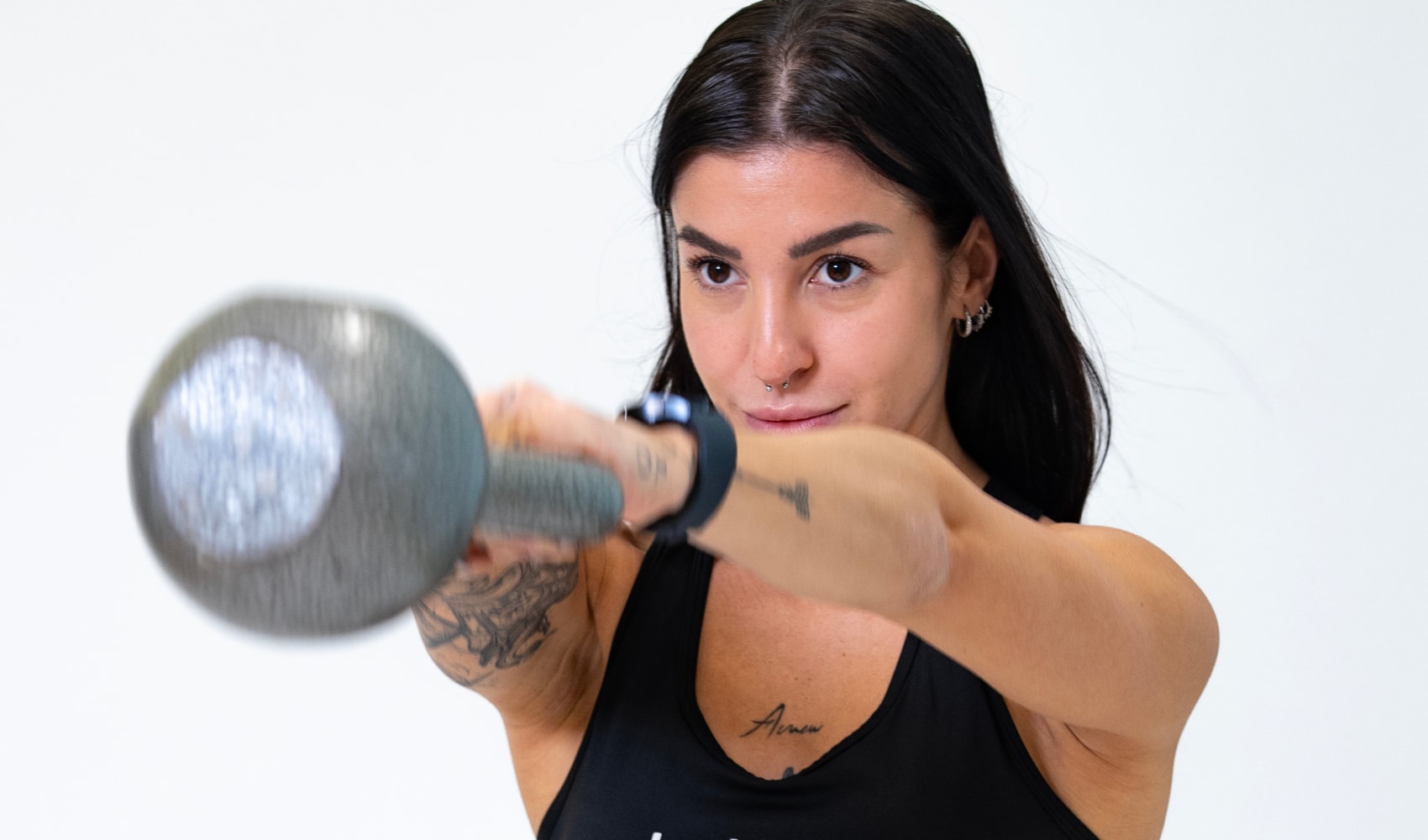
- Kettlebells
Regardless of the equipment used, the goal remains the same: isolate the side deltoids and create controlled tension.
Muscles Worked During a Lateral Raise
Many people believe the lateral raises works only one muscle. However, several muscles contribute to the movement.
| Muscle | Role |
| Lateral Deltoid | Primary muscle worked |
| Anterior Deltoid | Assists stabilization |
| Posterior Deltoid | Supports shoulder control |
| Upper Trapezius | Assists shoulder movement |
| Rotator Cuff | Stabilizes the joint |
| Core Muscles | Maintains posture |
| Forearms | Grip support |
The lateral deltoid remains the main target throughout the exercise.
Why the Lateral Raise Is One of the Best Shoulder Exercises
Most compound shoulder exercises focus on pressing movements. While those exercises are excellent for strength, they do not fully develop shoulder width.
The lateral raise fills this gap.
It specifically targets the middle portion of the deltoid, which contributes most to shoulder width. Consequently, bodybuilders, athletes, and fitness enthusiasts frequently include lateral raises in their training programs.
Moreover, the exercise works well with both high-repetition and moderate-weight training, making it suitable for nearly every fitness level.
Benefits
- Builds Wider Shoulders
The side deltoid creates the appearance of broad shoulders. Therefore, regular lateral raises can significantly improve shoulder width.
- Improves Shoulder Definition
Well-developed side deltoids create a rounded and balanced shoulder appearance.
- Enhances Muscle Symmetry
Balanced shoulder development improves overall physique aesthetics.
- Supports Better Posture
Strong shoulder muscles help keep the upper body aligned.
- Increases Shoulder Stability
The movement strengthens supporting shoulder structures and improves joint control.
- Improves Athletic Performance
Athletes in sports such as swimming, volleyball, basketball, and tennis often benefit from stronger shoulders.
- Helps Prevent Muscle Imbalances
Many workouts overemphasize chest training. Lateral raises help maintain muscular balance.
The Science Behind the Lateral Raise
The lateral raise involves a movement called shoulder abduction.
During shoulder abduction, the arm moves away from the body’s midline. The lateral deltoid is primarily responsible for this action.
When performed correctly, the exercise creates:
- Mechanical tension
- Metabolic stress
- Muscle fiber recruitment
These three factors are strongly associated with muscle hypertrophy, which is the process of muscle growth.
Additionally, controlling the lowering phase increases time under tension, which can further stimulate muscle development.
For exercise science information, refer to:
- American Council on Exercise (ACE)
- National Academy of Sports Medicine (NASM)
- Mayo Clinic Fitness Resources
How to Perform Correctly
Starting Position
- Stand upright.
- Hold a dumbbell in each hand.
- Keep your feet shoulder-width apart.
- Slightly bend your elbows.
- Tighten your core.
Movement
- Raise the dumbbells outward.
- Lead with your elbows.
- Lift until your arms reach shoulder level.
- Pause briefly.
- Lower slowly.
- Repeat.
The key is maintaining control throughout the entire movement.
Perfect Lateral Raise Form Checklist
✓ Stand tall
✓ Keep your core engaged
✓ Slightly bend your elbows
✓ Lift with control
✓ Stop at shoulder height
✓ Lower slowly
✓ Avoid swinging
✓ Use manageable weights
Common Mistakes
Using Too Much Weight
Heavy weights often reduce shoulder activation.
Swinging the Body
Momentum takes tension away from the deltoids.
Raising Too High
Going above shoulder level often increases trap involvement.
Locking the Elbows
A slight bend protects the joints.
Lowering Too Quickly
The lowering phase contributes significantly to muscle growth.
How to Fix Mistakes
| Mistake | Solution |
| Too much weight | Reduce the load |
| Swinging | Slow down the movement |
| Lifting too high | Stop at shoulder level |
| Straight arms | Maintain slight elbow bend |
| Fast lowering | Control the descent |
Best Weight for Lateral Raises
Many people assume heavier is better.
However, lateral raises respond exceptionally well to lighter weights and strict form.
| Experience Level | Recommended Weight |
| Beginner | 2–10 lbs |
| Intermediate | 10–20 lbs |
| Advanced | 20+ lbs |
Remember that perfect technique matters more than the number on the dumbbell.
Lateral Raise Variations
Dumbbell
The classic variation.
Benefits
- Easy to learn
- Widely available
- Excellent for muscle growth
Cable
Provides constant tension.
Benefits
- Increased muscle activation
- Smooth resistance
- Great for hypertrophy
Machine
A popular gym-based option.
Benefits
- Beginner-friendly
- Reduced cheating
- Consistent movement pattern
Resistance Band Lateral Raise
Ideal for home workouts.
Benefits
- Affordable
- Portable
- Joint-friendly
Seated Lateral Raise
Reduces momentum.
Benefits
- Better isolation
- Improved control
Leaning Cable Lateral Raise
Increases tension at the bottom.
Benefits
- Larger range of motion
- Greater shoulder activation
Incline Lateral Raise
Creates a stronger stretch.
Benefits
- More time under tension
- Advanced muscle-building option
Lateral Raise vs Shoulder Press
| Lateral Raise | Shoulder Press |
| Isolation exercise | Compound exercise |
| Builds width | Builds overall mass |
| Lighter weights | Heavier weights |
| Targets side deltoids | Targets multiple shoulder muscles |
For best results, use both exercises.
Lateral Raise vs Front Raise
Front raises primarily target the front deltoids.
Meanwhile, lateral raises focus on the side deltoids.
Since many pressing exercises already train the front delts, most people benefit more from lateral raises.
Lateral Raise vs Rear Delt Fly
Rear delt flies target the back of the shoulders.
Lateral raises target the side shoulders.
A complete shoulder routine should include both movements.
Best Rep Range for Muscle Growth
Most people achieve the best results with:
| Goal | Sets | Reps |
| Muscle Growth | 3-5 | 10-15 |
| Strength | 4-5 | 6-10 |
| Endurance | 2-4 | 15-20 |
Progressive Overload for Lateral Raises
Progressive overload is essential for continued growth.
You can progress by:
- Increasing repetitions
- Increasing sets
- Increasing weight
- Improving technique
- Slowing the tempo
Small improvements over time lead to significant results.
Beginner Workout Plan
- Dumbbell – 3×12
- Front Raise – 3×12
- Shoulder Press – 3×10
Perform twice weekly.
Intermediate Workout Plan
- Cable Lateral Raise – 4×15
- Dumbbell Lateral Raise – 4×12
- Rear Delt Fly – 4×15
- Shoulder Press – 4×10
Perform 2–3 times weekly.
Advanced Workout Plan
- Cable Lateral Raise – 5×15
- Incline Lateral Raise – 4×12
- Machine Lateral Raise – 4×15
- Drop Set Lateral Raise – 3 rounds
This routine increases training volume and intensity.
Home Lateral Raise Workouts
No gym? No problem.
You can perform lateral raises using:
- Resistance bands
- Water bottles
- Filled backpacks
- Household objects
Home Workout
- Band Lateral Raise – 4×15
- Front Raise – 3×15
- Rear Delt Fly – 3×15
Lateral Raise for Women
Many women worry that shoulder training will make them bulky.
In reality, lateral raises typically create toned, defined shoulders rather than excessive size.
Benefits include:
- Better posture
- Increased upper-body strength
- Improved muscle tone
- Enhanced physique balance
Lateral Raise for Athletes
Athletes often require strong and stable shoulders.
Sports that benefit include:
- Swimming
- Tennis
- Baseball
- Volleyball
- Basketball
Stronger shoulders can improve performance and reduce injury risk.
Injury Prevention Tips
Follow these guidelines:
- Warm up before training.
- Use proper technique.
- Avoid excessive weight.
- Maintain shoulder mobility.
- Train the rotator cuff muscles.
- Allow adequate recovery.
If pain occurs, stop and evaluate your form.
Real-Life Examples
Example 1: Office Worker
An office worker who trained shoulders twice weekly improved posture and reduced neck tension after several months.
Example 2: Beginner Lifter
A beginner consistently performing lateral raises for 12 weeks developed noticeably broader shoulders.
Example 3: Competitive Athlete
An athlete incorporated cable lateral raises into training and reported improved shoulder stability during competition.
Comparison Table of Lateral Raise Variations
| Variation | Difficulty | Equipment | Best For |
| Dumbbell Lateral Raise | Easy | Dumbbells | Beginners |
| Cable Lateral Raise | Medium | Cable Machine | Muscle Growth |
| Band Lateral Raise | Easy | Resistance Bands | Home Training |
| Seated Lateral Raise | Medium | Dumbbells | Isolation |
| Incline Lateral Raise | Hard | Bench + Dumbbells | Advanced Lifters |
| Machine Lateral Raise | Easy | Machine | Consistent Resistance |
Weekly Training Recommendations
| Experience Level | Frequency |
| Beginner | 2 Times Weekly |
| Intermediate | 2–3 Times Weekly |
| Advanced | 3 Times Weekly |
Allow at least one day of recovery between sessions.
Expert Tips for Faster Shoulder Growth
- Focus on quality repetitions.
- Control the lowering phase.
- Avoid ego lifting.
- Train consistently.
- Use progressive overload.
- Prioritize recovery.
- Eat enough protein.
- Get adequate sleep.
Small habits often create the biggest long-term results.
Frequently Asked Questions (FAQs)
- What is a lateral raise?
A shoulder isolation exercise that primarily targets the side deltoids.
- Which muscles do lateral raises work?
The exercise mainly targets the lateral deltoids while also involving the traps, rotator cuff, and supporting shoulder muscles.
- Are lateral raises good for shoulder growth?
Yes. They are among the most effective exercises for developing shoulder width.
- How many reps should I do?
Most people benefit from 10–15 repetitions.
- How many sets should I perform?
Three to five sets work well for muscle growth.
- Can beginners do lateral raises?
Absolutely. Beginners should simply start with lighter weights.
- How often should I train lateral raises?
Two to three sessions per week is generally effective.
- Should I lift heavy?
Moderate weights with excellent form usually produce better results.
- Are cables better than dumbbells?
Both work well. Cables provide more consistent tension.
- Can I do lateral raises at home?
Yes. Resistance bands and household items can be effective alternatives.
- Do lateral raises improve posture?
They can contribute to improved posture by strengthening the shoulders.
- Are lateral raises safe?
Yes, when performed with proper form.
- Should my arms stay straight?
No. Keep a slight bend in your elbows.
- How high should I lift?
Lift until your arms reach shoulder level.
- Why do my traps take over?
This often happens when you use too much weight or raise the arms too high.
- Can women benefit from lateral raises?
Yes. They help build strength and shoulder definition.
- Do lateral raises prevent injuries?
They can improve shoulder stability and support healthy movement patterns.
- What is the best variation?
The dumbbell lateral raise remains the most popular and versatile option.
- Should I perform lateral raises before presses?
Most lifters perform them after compound pressing exercises.
- How long before I see results?
Most people notice visible improvements within 6–12 weeks of consistent training and proper nutrition.
Conclusion
The lateral raise remains one of the best shoulder exercises for building wider, stronger, and more defined shoulders. It directly targets the side deltoids, improves shoulder symmetry, supports better posture, and contributes to a balanced upper body.
Whether you choose dumbbells, cables, resistance bands, or machines, success comes from consistency, proper form, and progressive overload. By avoiding common mistakes, using appropriate weights, and following a structured training plan, you can achieve noticeable shoulder growth and improved strength over time.
Start incorporating lateral raises into your workouts today, stay patient, and focus on quality movement. With consistent effort, you’ll build stronger shoulders, improve athletic performance, and develop the broad, athletic physique many people strive for.
What Is a Lateral Raise?
A lateral raise is a shoulder isolation exercise where you lift your arms outward from your sides until they reach shoulder height.
The movement primarily targets the lateral deltoid, also known as the side deltoid. This muscle is responsible for giving the shoulders a wider appearance.
Unlike pressing exercises, which spread the workload across multiple muscles, the lateral raise focuses directly on the side shoulder. Therefore, it is one of the best exercises for improving shoulder width and definition.
You can perform lateral raises using:
- Dumbbells
- Cables
- Resistance bands
- Machines
- Kettlebells
Regardless of the equipment used, the goal remains the same: isolate the side deltoids and create controlled tension.
Muscles Worked During a Lateral Raise
Many people believe the lateral raise works only one muscle. However, several muscles contribute to the movement.
| Muscle | Role |
| Lateral Deltoid | Primary muscle worked |
| Anterior Deltoid | Assists stabilization |
| Posterior Deltoid | Supports shoulder control |
| Upper Trapezius | Assists shoulder movement |
| Rotator Cuff | Stabilizes the joint |
| Core Muscles | Maintains posture |
| Forearms | Grip support |
The lateral deltoid remains the main target throughout the exercise.
Why the Lateral Raise Is One of the Best Shoulder Exercises
Most compound shoulder exercises focus on pressing movements. While those exercises are excellent for strength, they do not fully develop shoulder width.
The lateral raise fills this gap.
It specifically targets the middle portion of the deltoid, which contributes most to shoulder width. Consequently, bodybuilders, athletes, and fitness enthusiasts frequently include lateral raises in their training programs.
Moreover, the exercise works well with both high-repetition and moderate-weight training, making it suitable for nearly every fitness level.
Benefits of the Lateral Raise
- Builds Wider Shoulders
The side deltoid creates the appearance of broad shoulders. Therefore, regular lateral raises can significantly improve shoulder width.
- Improves Shoulder Definition
Well-developed side deltoids create a rounded and balanced shoulder appearance.
- Enhances Muscle Symmetry
Balanced shoulder development improves overall physique aesthetics.
- Supports Better Posture
Strong shoulder muscles help keep the upper body aligned.
- Increases Shoulder Stability
The movement strengthens supporting shoulder structures and improves joint control.
- Improves Athletic Performance
Athletes in sports such as swimming, volleyball, basketball, and tennis often benefit from stronger shoulders.
- Helps Prevent Muscle Imbalances
Many workouts overemphasize chest training. Lateral raises help maintain muscular balance.
The Science Behind the Lateral Raise
The lateral raise involves a movement called shoulder abduction.
During shoulder abduction, the arm moves away from the body’s midline. The lateral deltoid is primarily responsible for this action.
When performed correctly, the exercise creates:
- Mechanical tension
- Metabolic stress
- Muscle fiber recruitment
These three factors are strongly associated with muscle hypertrophy, which is the process of muscle growth.
Additionally, controlling the lowering phase increases time under tension, which can further stimulate muscle development.
For exercise science information, refer to:
- American Council on Exercise (ACE)
- National Academy of Sports Medicine (NASM)
- Mayo Clinic Fitness Resources
How to Perform a Lateral Raise Correctly
Starting Position
- Stand upright.
- Hold a dumbbell in each hand.
- Keep your feet shoulder-width apart.
- Slightly bend your elbows.
- Tighten your core.
Movement
- Raise the dumbbells outward.
- Lead with your elbows.
- Lift until your arms reach shoulder level.
- Pause briefly.
- Lower slowly.
- Repeat.
The key is maintaining control throughout the entire movement.
Perfect Lateral Raise Form Checklist
✓ Stand tall
✓ Keep your core engaged
✓ Slightly bend your elbows
✓ Lift with control
✓ Stop at shoulder height
✓ Lower slowly
✓ Avoid swinging
✓ Use manageable weights
Common Lateral Raise Mistakes
Using Too Much Weight
Heavy weights often reduce shoulder activation.
Swinging the Body
Momentum takes tension away from the deltoids.
Raising Too High
Going above shoulder level often increases trap involvement.
Locking the Elbows
A slight bend protects the joints.
Lowering Too Quickly
The lowering phase contributes significantly to muscle growth.
How to Fix Lateral Raise Mistakes
| Mistake | Solution |
| Too much weight | Reduce the load |
| Swinging | Slow down the movement |
| Lifting too high | Stop at shoulder level |
| Straight arms | Maintain slight elbow bend |
| Fast lowering | Control the descent |
Best Weight for Lateral Raises
Many people assume heavier is better.
However, lateral raises respond exceptionally well to lighter weights and strict form.
| Experience Level | Recommended Weight |
| Beginner | 2–10 lbs |
| Intermediate | 10–20 lbs |
| Advanced | 20+ lbs |
Remember that perfect technique matters more than the number on the dumbbell.
Lateral Raise Variations
Dumbbell Lateral Raise
The classic variation.
Benefits
- Easy to learn
- Widely available
- Excellent for muscle growth
Cable Lateral Raise
Provides constant tension.
Benefits
- Increased muscle activation
- Smooth resistance
- Great for hypertrophy
Machine Lateral Raise
A popular gym-based option.
Benefits
- Beginner-friendly
- Reduced cheating
- Consistent movement pattern
Resistance Band Lateral Raise
Ideal for home workouts.
Benefits
- Affordable
- Portable
- Joint-friendly
Seated Lateral Raise
Reduces momentum.
Benefits
- Better isolation
- Improved control
Leaning Cable Lateral Raise
Increases tension at the bottom.
Benefits
- Larger range of motion
- Greater shoulder activation
Incline Lateral Raise
Creates a stronger stretch.
Benefits
- More time under tension
- Advanced muscle-building option
Lateral Raise vs Shoulder Press
| Lateral Raise | Shoulder Press |
| Isolation exercise | Compound exercise |
| Builds width | Builds overall mass |
| Lighter weights | Heavier weights |
| Targets side deltoids | Targets multiple shoulder muscles |
For best results, use both exercises.
Lateral Raise vs Front Raise
Front raises primarily target the front deltoids.
Meanwhile, lateral raises focus on the side deltoids.
Since many pressing exercises already train the front delts, most people benefit more from lateral raises.
Lateral Raise vs Rear Delt Fly
Rear delt flies target the back of the shoulders.
Lateral raises target the side shoulders.
A complete shoulder routine should include both movements.
Best Rep Range for Muscle Growth
Most people achieve the best results with:
| Goal | Sets | Reps |
| Muscle Growth | 3-5 | 10-15 |
| Strength | 4-5 | 6-10 |
| Endurance | 2-4 | 15-20 |
Progressive Overload for Lateral Raises
Progressive overload is essential for continued growth.
You can progress by:
- Increasing repetitions
- Increasing sets
- Increasing weight
- Improving technique
- Slowing the tempo
Small improvements over time lead to significant results.
Beginner Workout Plan
- Dumbbell Lateral Raise – 3×12
- Front Raise – 3×12
- Shoulder Press – 3×10
Perform twice weekly.
Intermediate Workout Plan
- Cable Lateral Raise – 4×15
- Dumbbell Lateral Raise – 4×12
- Rear Delt Fly – 4×15
- Shoulder Press – 4×10
Perform 2–3 times weekly.
Advanced Workout Plan
- Cable Lateral Raise – 5×15
- Incline Lateral Raise – 4×12
- Machine Lateral Raise – 4×15
- Drop Set Lateral Raise – 3 rounds
This routine increases training volume and intensity.
Home Lateral Raise Workouts
No gym? No problem.
You can perform lateral raises using:
- Resistance bands
- Water bottles
- Filled backpacks
- Household objects
Home Workout
- Band Lateral Raise – 4×15
- Front Raise – 3×15
- Rear Delt Fly – 3×15
Lateral Raise for Women
Many women worry that shoulder training will make them bulky.
In reality, lateral raises typically create toned, defined shoulders rather than excessive size.
Benefits include:
- Better posture
- Increased upper-body strength
- Improved muscle tone
- Enhanced physique balance
Lateral Raise for Athletes
Athletes often require strong and stable shoulders.
Sports that benefit include:
- Swimming
- Tennis
- Baseball
- Volleyball
- Basketball
Stronger shoulders can improve performance and reduce injury risk.
Injury Prevention Tips
Follow these guidelines:
- Warm up before training.
- Use proper technique.
- Avoid excessive weight.
- Maintain shoulder mobility.
- Train the rotator cuff muscles.
- Allow adequate recovery.
If pain occurs, stop and evaluate your form.
Real-Life Examples
Example 1: Office Worker
An office worker who trained shoulders twice weekly improved posture and reduced neck tension after several months.
Example 2: Beginner Lifter
A beginner consistently performing lateral raises for 12 weeks developed noticeably broader shoulders.
Example 3: Competitive Athlete
An athlete incorporated cable lateral raises into training and reported improved shoulder stability during competition.
Comparison Table of Lateral Raises Variations
| Variation | Difficulty | Equipment | Best For |
| Dumbbell | Easy | Dumbbells | Beginners |
| Cable | Medium | Cable Machine | Muscle Growth |
| Band | Easy | Resistance Bands | Home Training |
| Seated | Medium | Dumbbells | Isolation |
| Incline | Hard | Bench + Dumbbells | Advanced Lifters |
| Machine | Easy | Machine | Consistent Resistance |
Weekly Training Recommendations
| Experience Level | Frequency |
| Beginner | 2 Times Weekly |
| Intermediate | 2–3 Times Weekly |
| Advanced | 3 Times Weekly |
Allow at least one day of recovery between sessions.
Expert Tips for Faster Shoulder Growth
- Focus on quality repetitions.
- Control the lowering phase.
- Avoid ego lifting.
- Train consistently.
- Use progressive overload.
- Prioritize recovery.
- Eat enough protein.
- Get adequate sleep.
Small habits often create the biggest long-term results.
Frequently Asked Questions (FAQs)
- What is a lateral raise?
A shoulder isolation exercise that primarily targets the side deltoids.
- Which muscles do lateral raises work?
The exercise mainly targets the lateral deltoids while also involving the traps, rotator cuff, and supporting shoulder muscles.
- Are lateral raises good for shoulder growth?
Yes. They are among the most effective exercises for developing shoulder width.
- How many reps should I do?
Most people benefit from 10–15 repetitions.
- How many sets should I perform?
Three to five sets work well for muscle growth.
- Can beginners do lateral raises?
Absolutely. Beginners should simply start with lighter weights.
- How often should I train lateral raises?
Two to three sessions per week is generally effective.
- Should I lift heavy?
Moderate weights with excellent form usually produce better results.
- Are cables better than dumbbells?
Both work well. Cables provide more consistent tension.
- Can I do lateral raises at home?
Yes. Resistance bands and household items can be effective alternatives.
- Do lateral raises improve posture?
They can contribute to improved posture by strengthening the shoulders.
- Are lateral raises safe?
Yes, when performed with proper form.
- Should my arms stay straight?
No. Keep a slight bend in your elbows.
- How high should I lift?
Lift until your arms reach shoulder level.
- Why do my traps take over?
This often happens when you use too much weight or raise the arms too high.
- Can women benefit from lateral raises?
Yes. They help build strength and shoulder definition.
- Do lateral raises prevent injuries?
They can improve shoulder stability and support healthy movement patterns.
- What is the best variation?
The dumbbell lateral raise remains the most popular and versatile option.
- Should I perform lateral raises before presses?
Most lifters perform them after compound pressing exercises.
- How long before I see results?
Most people notice visible improvements within 6–12 weeks of consistent training and proper nutrition.
Conclusion
The lateral raise remains one of the best shoulder exercises for building wider, stronger, and more defined shoulders. It directly targets the side deltoids, improves shoulder symmetry, supports better posture, and contributes to a balanced upper body.
Whether you choose dumbbells, cables, resistance bands, or machines, success comes from consistency, proper form, and progressive overload. By avoiding common mistakes, using appropriate weights, and following a structured training plan, you can achieve noticeable shoulder growth and improved strength over time.
Start incorporating lateral raises into your workouts today, stay patient, and focus on quality movement. With consistent effort, you’ll build stronger shoulders, improve athletic performance, and develop the broad, athletic physique many people strive for.