

Nutrition House is more than a place where food is stored. It is a home where healthy choices become part of everyday life. When families create a nutrition-focused environment, they often feel more energetic, sleep better, and enjoy meals together.
Many people think healthy eating is difficult or expensive. However, small changes can make a big difference. For example, adding more fruits and vegetables, drinking water instead of sugary drinks, and planning meals ahead of time can improve health without causing stress.
In this complete guide, you will learn how to build a Nutrition House, choose healthy foods, create balanced meals, shop wisely, and develop habits that last. You will also find real-life examples, expert advice, tables, advantages, disadvantages, and answers to common questions.
What Is a Nutrition House?
A Nutrition House is a home environment that supports healthy eating and wellness. Instead of relying on processed foods, it focuses on whole foods such as vegetables, fruits, whole grains, lean proteins, and healthy fats.
This approach does not require perfection. Rather, it encourages better choices most of the time. Families can still enjoy treats occasionally while keeping nutritious foods as the foundation of their diet.
Key features of a Nutrition House
- Plenty of fresh produce available.
- Healthy snacks within easy reach.
- Regular family meals.
- Balanced portions.
- Limited sugary drinks and highly processed foods.
- Cooking at home more often.
Why Nutrition House Matters
Food affects nearly every part of life. Healthy eating supports growth, learning, energy, and long-term wellness. Children who grow up in a nutrition-focused home often develop healthier habits that continue into adulthood.
Benefits of a Nutrition House
- Better energy levels.
- Improved concentration.
- Stronger immune system.
- Healthier weight management.
- Better sleep quality.
- Lower risk of chronic diseases.
- More family connection during meals.
According to Harvard T.H. Chan School of Public Health, diets rich in vegetables, fruits, whole grains, and healthy proteins support overall health and help reduce the risk of many diseases.
The Foundation of a Nutrition House
A strong nutrition house rests on a few key habits. These habits do not need to be perfect. Instead, they should be consistent.
Keep Whole Foods Available
Whole foods include fruits, vegetables, whole grains, beans, nuts, seeds, eggs, fish, poultry, and dairy products. These foods provide nutrients that the body needs every day.
Try stocking:
- Apples, bananas, oranges, and berries
- Carrots, cucumbers, spinach, and tomatoes
- Oats, brown rice, and whole wheat bread
- Beans, lentils, and chickpeas
- Yogurt, milk, or fortified alternatives
Plan Meals Ahead
Meal planning reduces stress and helps families avoid unhealthy last-minute choices. Even planning just three days ahead can make a big difference.
Simple 3-Day Meal Plan
| Day | Dinner |
| Monday | Grilled chicken, brown rice, and steamed vegetables |
| Tuesday | Bean chili with a side salad |
| Wednesday | Baked fish with sweet potatoes and green beans |
The Nutrition House Plate Method
One of the easiest ways to build balanced meals is to divide the plate into sections.
Simple plate method
Vegetables and fruits
½ plate
Protein foods
¼ plate
Whole grains or starchy foods
¼ plate
Healthy fats
Small amount
This simple visual guide helps people eat a variety of nutrients without counting calories.
The Core Foods in a Nutrition House
Building a Nutrition House starts with stocking nutritious foods. The goal is not to buy everything at once. Instead, add healthy options gradually.
Fruits
Great choices
- Apples
- Bananas
- Oranges
- Berries
- Grapes
- Mangoes
Fruits provide vitamins, minerals, fiber, and natural sweetness.
Vegetables
Great choices
- Carrots
- Broccoli
- Spinach
- Bell peppers
- Tomatoes
- Cucumbers
Vegetables help support digestion, immunity, and overall health.
Whole Grains
Examples
- Brown rice
- Oats
- Whole wheat bread
- Quinoa
- Whole grain pasta
Whole grains provide fiber and long-lasting energy.
Lean Proteins
Examples
- Chicken
- Fish
- Eggs
- Beans
- Lentils
- Tofu
Protein helps build and repair muscles and tissues.
Healthy Fats
Examples
- Avocados
- Nuts
- Seeds
- Olive oil
- Fatty fish such as salmon
Healthy fats support brain health and help the body absorb certain vitamins.
Nutrition House Meal Planning
Meal planning saves time, reduces stress, and helps families eat healthier. Even a simple plan can make a huge difference.
Simple weekly meal plan
| Day | Breakfast | Lunch | Dinner |
| Monday | Oatmeal with fruit | Turkey sandwich | Grilled chicken and vegetables |
| Tuesday | Yogurt and berries | Bean salad | Baked fish and brown rice |
| Wednesday | Whole grain toast and eggs | Chicken wrap | Vegetable stir-fry |
| Thursday | Smoothie | Lentil soup | Turkey meatballs |
| Friday | Oatmeal | Quinoa bowl | Homemade pizza with vegetables |
| Saturday | Pancakes with fruit | Grilled chicken salad | Tacos with beans and vegetables |
| Sunday | Eggs and whole grain toast | Leftovers | Roasted chicken and sweet potatoes |
Planning meals in advance also helps reduce food waste.
Nutrition House Grocery Shopping Tips
Shopping wisely is one of the easiest ways to improve nutrition.
Smart shopping strategies
- Make a shopping list before going to the store.
- Shop after eating so you are less likely to buy unhealthy snacks.
- Choose seasonal fruits and vegetables.
- Compare nutrition labels.
- Buy whole foods more often than packaged foods.
- Choose frozen vegetables when fresh produce is expensive.
The U.S. Department of Agriculture provides practical guidance on healthy food choices and meal planning through its MyPlate program .
For Busy Families
Many families feel too busy to cook healthy meals. However, a few simple habits can make healthy eating easier.
Time-saving ideas
- Wash and cut vegetables ahead of time.
- Cook extra food and save leftovers.
- Use a slow cooker or pressure cooker.
- Keep healthy snacks ready to grab.
- Prepare breakfast the night before.
These small steps can save hours each week.
For Children
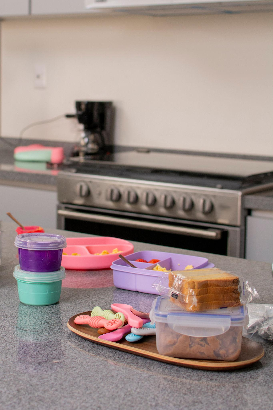
Children learn eating habits from adults. Therefore, parents can create a positive food environment by modeling healthy choices.
Helpful strategies
- Offer fruits and vegetables regularly.
- Let children help prepare meals.
- Avoid forcing children to clean their plates.
- Keep healthy snacks visible.
- Limit sugary drinks.
Research from the Centers for Disease Control and Prevention shows that healthy eating patterns support growth and development in children.
Nutrition House and Weight Management
Healthy weight management does not require extreme diets. Instead, it works best when families focus on consistent habits.
Effective habits
- Eat regular meals.
- Choose high-fiber foods.
- Include protein at each meal.
- Drink enough water.
- Stay physically active.
- Get adequate sleep.
These habits are usually easier to maintain than strict dieting.
Advantages and Disadvantages
Advantages
- Better health outcomes.
- More energy throughout the day.
- Improved family eating habits.
- Reduced reliance on fast food.
- Lower long-term healthcare costs.
- Better academic and work performance.
Disadvantages
- Initial meal planning takes time.
- Healthy foods may cost more in some areas.
- Family members may resist changes at first.
- Cooking at home requires effort.
- Learning nutrition basics can feel overwhelming initially.
Expert Advice
🥗
Start Small
Change one habit at a time, such as adding a vegetable to dinner.
🍽️
Focus on Balance
Include carbohydrates, protein, and healthy fats in most meals.
🚫
Avoid Extreme Restrictions
Moderation is usually easier to maintain than strict rules.
👨👩👧👦
Involve the Whole Family
When everyone participates, healthy habits become easier to maintain.
📅
Plan for Real Life
Choose meals that fit your schedule, budget, and cooking skills.
Real-Life Example: A Family Transformation
The Ahmed family used to eat fast food four or five times a week. They often felt tired, spent a lot of money on takeout, and struggled to eat vegetables.
They decided to build a Nutrition House gradually.
Changes they made
- Planned meals every Sunday.
- Cooked dinner at home four nights per week.
- Kept fruit on the kitchen counter.
- Replaced sugary drinks with water most days.
- Prepared healthy snacks for school and work.
Results after three months
- Saved money on food.
- Ate more vegetables and fruits.
- Had more energy during the day.
- Enjoyed family meals together.
This example shows that small, consistent changes can lead to meaningful improvements.
Nutrition House and Physical Activity
Healthy eating works even better when combined with regular movement. Physical activity helps support heart health, muscle strength, and overall well-being.
Simple activities for families
- Walking after dinner.
- Riding bikes.
- Playing sports.
- Dancing at home.
- Gardening together.
According to the World Health Organization, regular physical activity provides important health benefits for people of all ages.
45 Unique Nutrition House Subheadings
- Nutrition House Basics for Beginners
Start with simple changes that make healthy eating easier every day.
- Nutrition House Pantry Essentials
Keep whole grains, beans, nuts, and healthy snacks ready to use.
- Nutrition House Refrigerator Must-Haves
Stock fruits, vegetables, yogurt, eggs, and other fresh foods regularly.
- Freezer Tips
Use frozen produce and prepared meals to save time and reduce waste.
- Meal Prep in 30 Minutes
Prepare ingredients ahead of time for faster weekday cooking.
- Nutrition House Breakfast Ideas for Busy Mornings
Choose quick options such as oatmeal, yogurt, or whole grain toast.
- Nutrition House Lunches That Keep You Full
Combine protein, fiber, and healthy fats for lasting energy.
- Nutrition House Dinners for the Whole Family
Build balanced meals with vegetables, lean protein, and whole grains.
- Nutrition House Snack Strategies
Keep fruit, nuts, and yogurt easy to grab when hunger strikes.
- Nutrition House Hydration Habits
Drink water regularly and limit sugary beverages when possible.
- Nutrition House Grocery Shopping on a Budget
Plan meals, buy seasonal produce, and compare prices before purchasing.
- Nutrition House for Weight Management
Focus on balanced meals instead of strict diets or quick fixes.
- Nutrition House for Growing Children
Offer a variety of nutritious foods and encourage family meals.
- Nutrition House for Teens
Support active lifestyles with healthy snacks and balanced meals.
- Nutrition House for Older Adults
Choose nutrient-rich foods that support strength, energy, and overall health.
- Nutrition House and Heart Health
Emphasize vegetables, whole grains, fish, and healthy fats regularly.
- Nutrition House and Digestive Wellness
Include fiber-rich foods and plenty of water to support digestion.
- Nutrition House and Immune Support
Eat colorful fruits and vegetables to help provide key nutrients.
- Nutrition House and Better Sleep
Limit heavy late-night meals and maintain regular eating patterns.
- Nutrition House and Mental Focus
Balanced meals can help support concentration and steady energy levels.
- Nutrition House and Energy Levels
Choose complex carbohydrates, protein, and healthy fats throughout the day.
- Nutrition House and Physical Activity
Fuel workouts with nutritious meals and stay hydrated during exercise.
- Nutrition House Cooking Skills for Beginners
Learn simple techniques such as roasting vegetables and cooking whole grains.
- Nutrition House Label Reading Guide
Check serving sizes, added sugars, sodium, and ingredient lists carefully.
- Nutrition House Portion Control Without Counting Calories
Use plates, bowls, and balanced meal patterns to guide portions naturally.
- Nutrition House Healthy Dessert Ideas
Try fruit, yogurt, or homemade treats with less added sugar.
- Eating Out Tips
Choose grilled options, vegetables, and reasonable portions when dining out.
- Weekend Planning
Prepare meals, snacks, and grocery lists before the busy week begins.
- Reducing Food Waste
Store food properly, use leftovers, and plan meals around what you have.
- Nutrition House Seasonal Eating
Enjoy fresh produce that is often more affordable and flavorful in season.
- Plant-Based Meal Ideas
Include beans, lentils, tofu, vegetables, and whole grains in meals.
- Protein Choices Explained
Mix animal and plant proteins to add variety and important nutrients.
- Healthy Fat Choices
Use olive oil, nuts, seeds, and avocados as part of balanced meals.
- Nutrition House Smart Carbohydrate Choices
Prefer whole grains and fiber-rich foods over heavily refined products.
- Family Meal Traditions
Create regular opportunities to eat together and enjoy conversation.
- Packing Healthy School Lunches
Include fruit, vegetables, protein, and whole grains for balanced lunches.
- Office Lunch Planning
Prepare portable meals and snacks to avoid unhealthy last-minute choices.
- Travel Food Tips
Pack healthy snacks and stay hydrated while traveling or commuting.
- Building Long-Term Habits
Focus on consistency and gradual improvements instead of perfection.
- Common Mistakes to Avoid
Avoid skipping meals, buying too many processed foods, and unrealistic goals.
- Success Story Examples
Learn how small daily changes helped families improve health and energy.
- Expert Tips for Beginners
Start with one or two changes and build confidence over time.
- Creating a Supportive Kitchen Environment
Keep healthy foods visible and make nutritious choices convenient for everyone.
44. Setting Realistic Nutrition Goals
Choose goals that fit your lifestyle, budget, and family schedule.
45. Staying Motivated Over Time
Celebrate small wins and focus on progress rather than perfection.

- What does Nutrition House mean?
Nutrition House refers to a home environment that supports healthy eating habits and overall wellness.
- How can I start building a Nutrition House?
Start by adding more fruits, vegetables, whole grains, and healthy proteins to your home.
- Is it expensive?
It can fit many budgets. Planning meals, buying seasonal produce, and cooking at home often reduce costs.
- What foods should I avoid?
Try to limit sugary drinks, highly processed snacks, and foods high in added sugars and sodium.
- Can children enjoy it?
Yes. Children can enjoy healthy foods when meals are varied, colorful, and prepared in appealing ways.
- How often should we eat family meals?
Even a few family meals each week can help build healthy habits and strengthen relationships.
- What is the best breakfast in a Nutrition House?
A balanced breakfast may include whole grains, protein, fruit, and healthy fats.
- Can it help with weight management?
Yes. Consistent healthy habits can support healthy weight management over time.
- How do I reduce junk food at home?
Buy fewer processed snacks and keep healthier options visible and easy to access.
- What drinks fit a Nutrition House?
Water, milk, and unsweetened beverages are generally good choices.
- Is meal prep necessary?
Meal prep is not required, but it often makes healthy eating much easier during busy weeks.
- What are healthy snacks for a Nutrition House?
Fruit, yogurt, nuts, seeds, vegetables with hummus, and whole grain crackers are good options.
- How can I encourage picky eaters?
Offer new foods repeatedly, involve children in cooking, and avoid pressure during meals.
- Does it require special diets?
No. It focuses on balanced, nutritious foods rather than a specific diet plan.
- How important is hydration?
Hydration is very important. Water supports digestion, energy, and many body functions.
- Can frozen vegetables be part of a Nutrition House?
Yes. Frozen vegetables are nutritious, convenient, and often budget-friendly.
- What is the biggest benefit of a Nutrition House?
Many families notice better energy, healthier eating habits, and improved overall wellness.
- How long does it take to see results?
Some people notice changes in energy and eating habits within a few weeks.
- Should I completely eliminate treats?
No. Moderate enjoyment of treats can be part of a balanced lifestyle.
- Where can I learn more about healthy eating?
Trusted resources include MyPlate, Harvard Nutrition Source, CDC nutrition guidance, and WHO recommendations.
Conclusion
Nutrition House is not about perfection. Instead, it is about creating a home where healthy choices become easier and more enjoyable. By stocking nutritious foods, planning simple meals, involving the whole family, and building consistent habits, you can improve health without making life complicated.
Small changes often lead to the biggest long-term results. Therefore, start with one or two improvements today, and gradually build a Nutrition House that supports your family’s well-being for years to come.
Helpful resources: CDC Nutrition · FDA Nutrition Facts Label ·